
Why Your Kitchen Tap Suddenly Feels Weaker And How Any Busy Parent Can Fix It
Is your kitchen tap dribbling? Discover the simple fix for low water pressure you can do yourself without calling an expensive plumber.
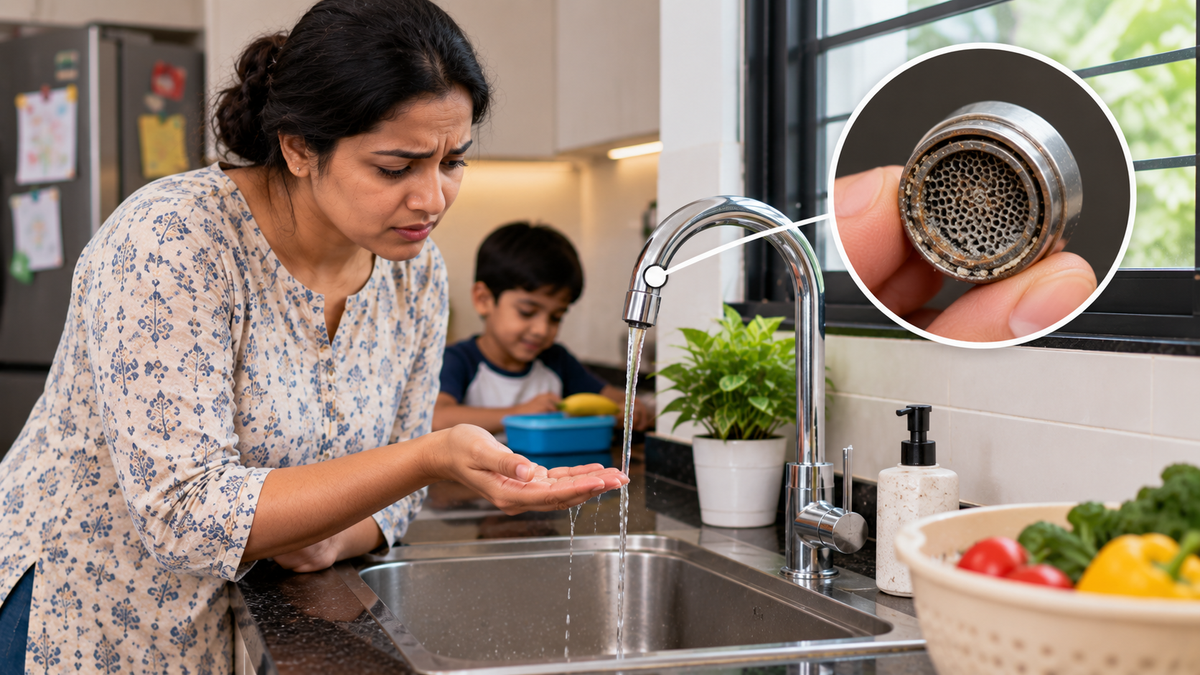
If you have noticed your kitchen tap dribbling instead of flowing lately, you are not imagining things. It is one of those small household annoyances that sneaks up on busy Essex families. One day you are filling the kettle in seconds. The next, you are standing there waiting for a jug to fill before the school run. The good news is that this is rarely a plumbing emergency. In most homes, the real culprit is a tiny part you have probably never noticed before. Let us talk about what is really going on, and how you can fix it without calling a plumber or spending a fortune on a new tap you did not really need.
The Tiny Part behind Your Big Problem
Tucked inside the tip of your tap is a small mesh screen called an aerator. It mixes air into the water so your tap does not splash everywhere. It also helps cut down on water use, which matters when you are constantly filling bottles, pots and washing up bowls. Over time, this little screen collects limescale, grit and mineral buildup. Essex sits in a hard water area, so this tends to happen faster here than in many other parts of the country. That chalky white crust you sometimes notice around your tap spout is a clue that the same buildup is likely happening inside as well. Meanwhile, if you fill a lot of bottles for little ones, wash bibs and beakers throughout the day, or rely on the tap for quick pasta dinners after school pick up, a slow trickle is more than just annoying. It genuinely eats into your evening.
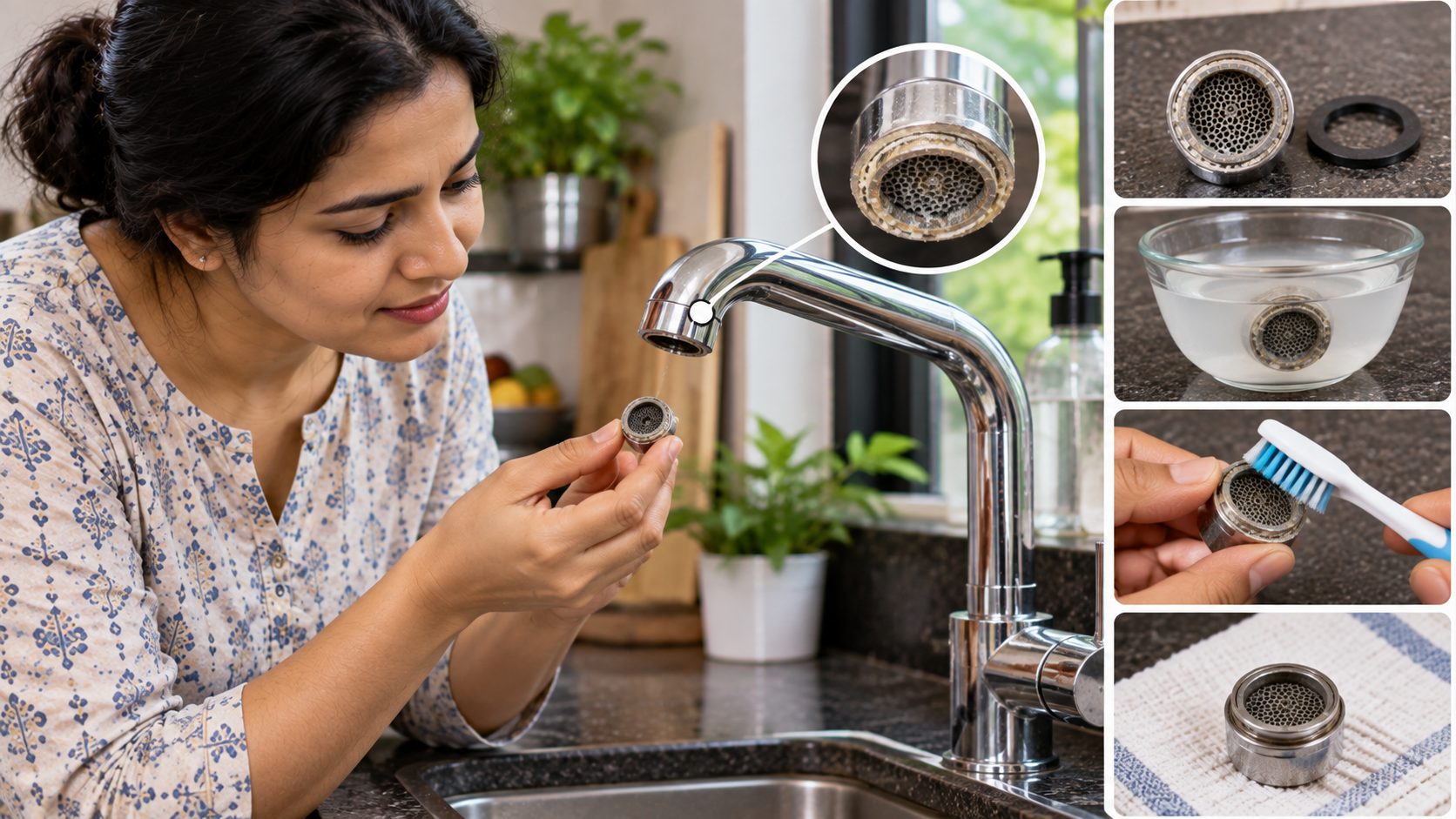
Thankfully, the fix is usually simple. First, try unscrewing the aerator by hand, or wrap it in a cloth and turn it gently with pliers. Soak it in white vinegar for around 30 minutes to loosen the deposits, then give it a light scrub with an old toothbrush. If it still will not budge, or the threads look worn, you may need a proper tool. Many taps, especially Moen models, have a recessed aerator that is genuinely tricky to reach with your fingers alone. That is where a Moen aerator removal tool becomes useful. It is a small, inexpensive gadget built to grip and twist the aerator out cleanly, without scratching your tap or damaging the threads. For any parent juggling a dozen jobs at once, having the right tool ready saves a fair bit of frustration. It also means you can sort the problem in a spare five minutes, rather than putting it off for another week while the tap keeps annoying you.
Why This Small Fix Saves You More than Time
A clogged aerator does not just slow you down at the sink. It can quietly push your water bill up too. When the flow restrictor gets blocked, some taps compensate by running longer or hotter than they need to, which wastes both water and energy. For families watching every penny, that adds up over the course of a year. Cleaning or replacing your aerator every few months is a small, easy habit that sits nicely alongside other money saving tips from smarter shopping to batch cooking. It costs next to nothing, yet it keeps paying you back month after month, which is exactly the kind of habit worth building into your routine as a household.
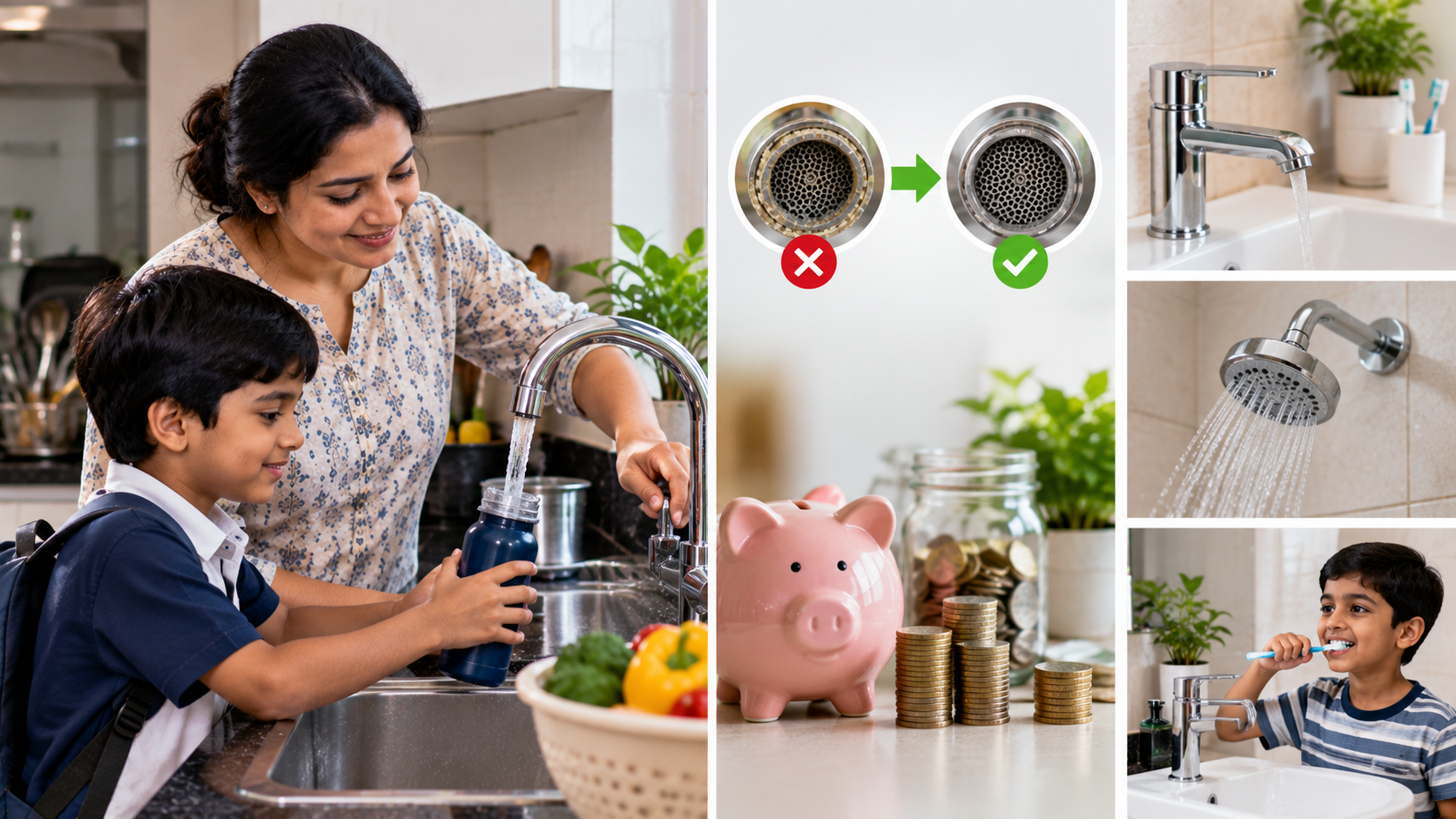
While you are at it, it is worth checking your bathroom taps and showerhead too. They collect the same buildup, just more slowly since they are used less often. A quick once a season check across the house means you will rarely be caught off guard by a sudden drop in pressure, especially on busy mornings when everyone needs the sink at once, from brushing teeth to rinsing lunchboxes before the school run.
When Cleaning Is Not Enough
Sometimes a good soak and scrub simply is not enough to bring your tap back to full strength. If you have cleaned the aerator a few times and the flow is still weak, the mineral buildup may have spread further into the tap body, or the small rubber washers inside may be worn out. According to a detailed guide on clogged faucet aerators, hard water buildup can happen surprisingly fast, and repeated cleaning sometimes only delays the problem rather than solving it for good. In that case, replacing the aerator is usually cheaper and quicker than replacing the whole tap, and it is a job most people can manage themselves in under ten minutes, even if you have never touched a spanner before.
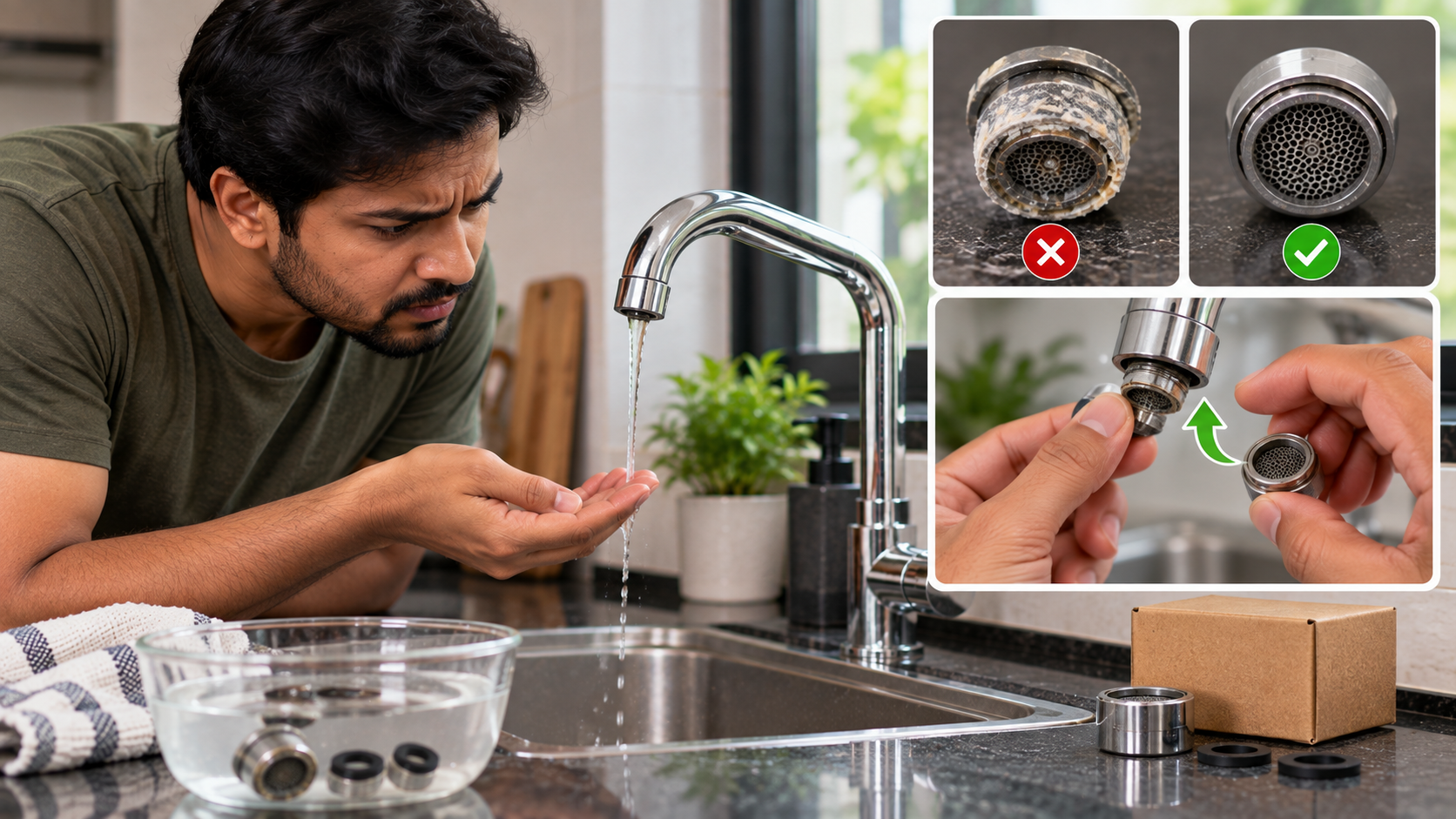
If you can, keep a spare aerator tucked in a kitchen drawer. That way, you are never stuck with a weak, spluttering tap on a hectic Tuesday morning while you are trying to get everyone out the door. A little maintenance now saves a much bigger headache later, and that is a trade every parent will happily take. Sometimes it really is the small, overlooked jobs that make the biggest difference to a busy family home.

Comments ()