
The Electrical Decisions Homeowners Are Getting Wrong Right Now
Sun-rich Bunbury is ideal for solar, but old switchboards can't handle modern power loads. Learn how to upgrade right and save on energy for 20 years.
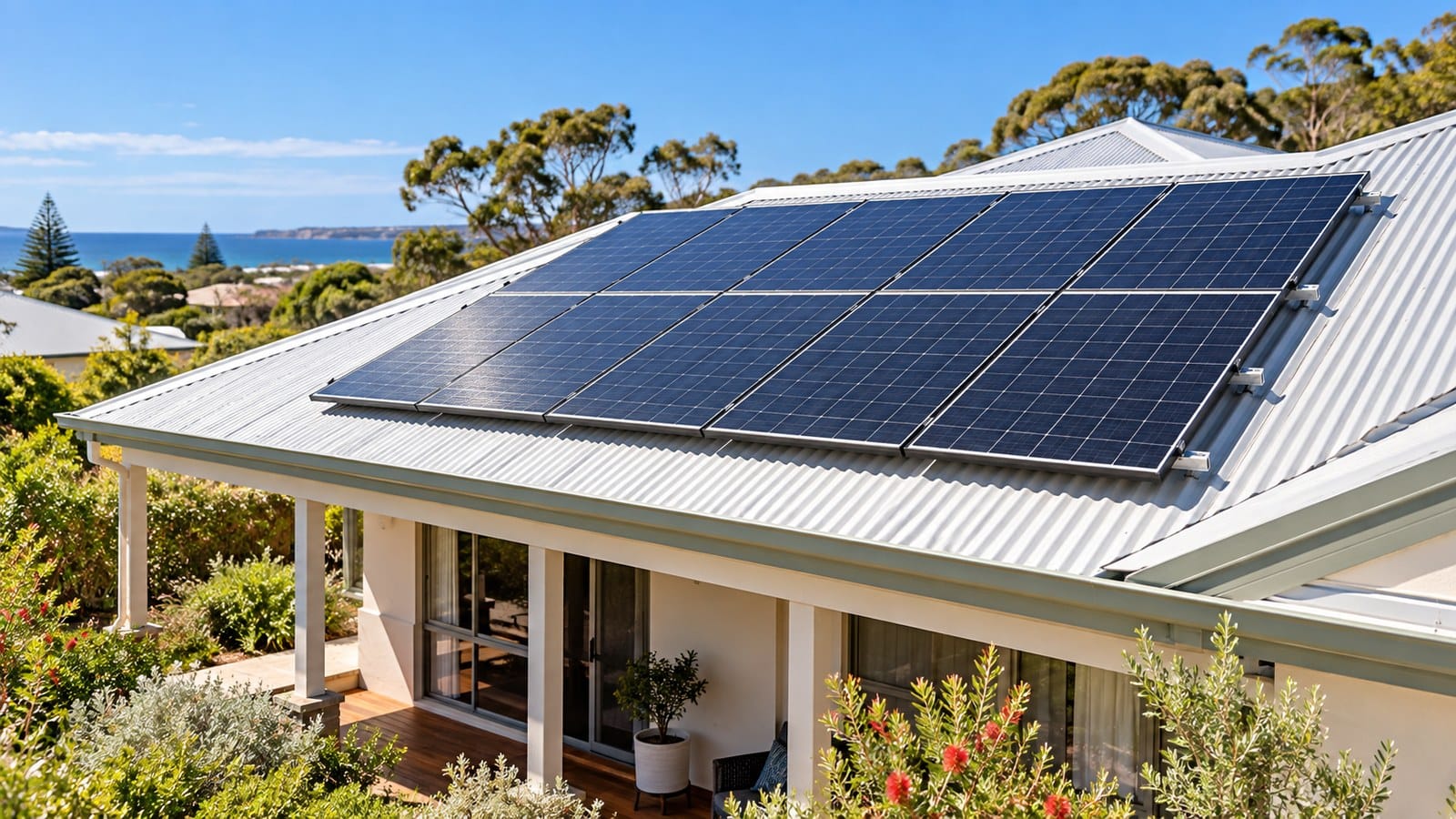
Bunbury gets more sun than most Australian capital cities. A solar system on a roof here makes a lot more power than it would in Melbourne or Sydney. And power bills in the South West are high. Put those two things together and solar pays for itself faster than most people think.
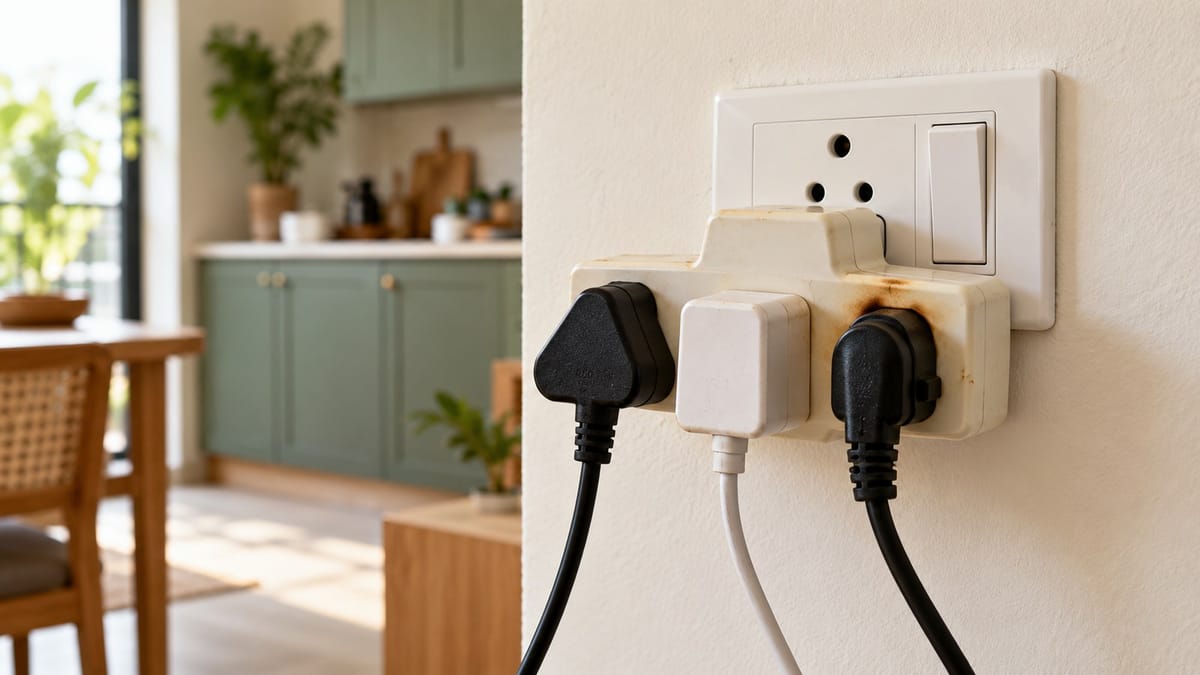
But there's a catch. Most Bunbury homes were built in the 70s, 80s or 90s. The switchboard in the meter box was built for the way people used power back then. It was never meant to run an induction cooktop, heat pump hot water, ducted air con, a home office and an EV charger all at the same time. Put solar and a battery on top of that and things start to go wrong.
The choices you make now about solar, batteries, EV charging and your switchboard will decide what your home costs to run for the next 20 years. So it pays to get them right.
When it's time to do the work, good bunbury electricians who know the technical side and how Western Power works will save you a lot of hassle later on.
What Most Older Bunbury Homes Are Still Running On
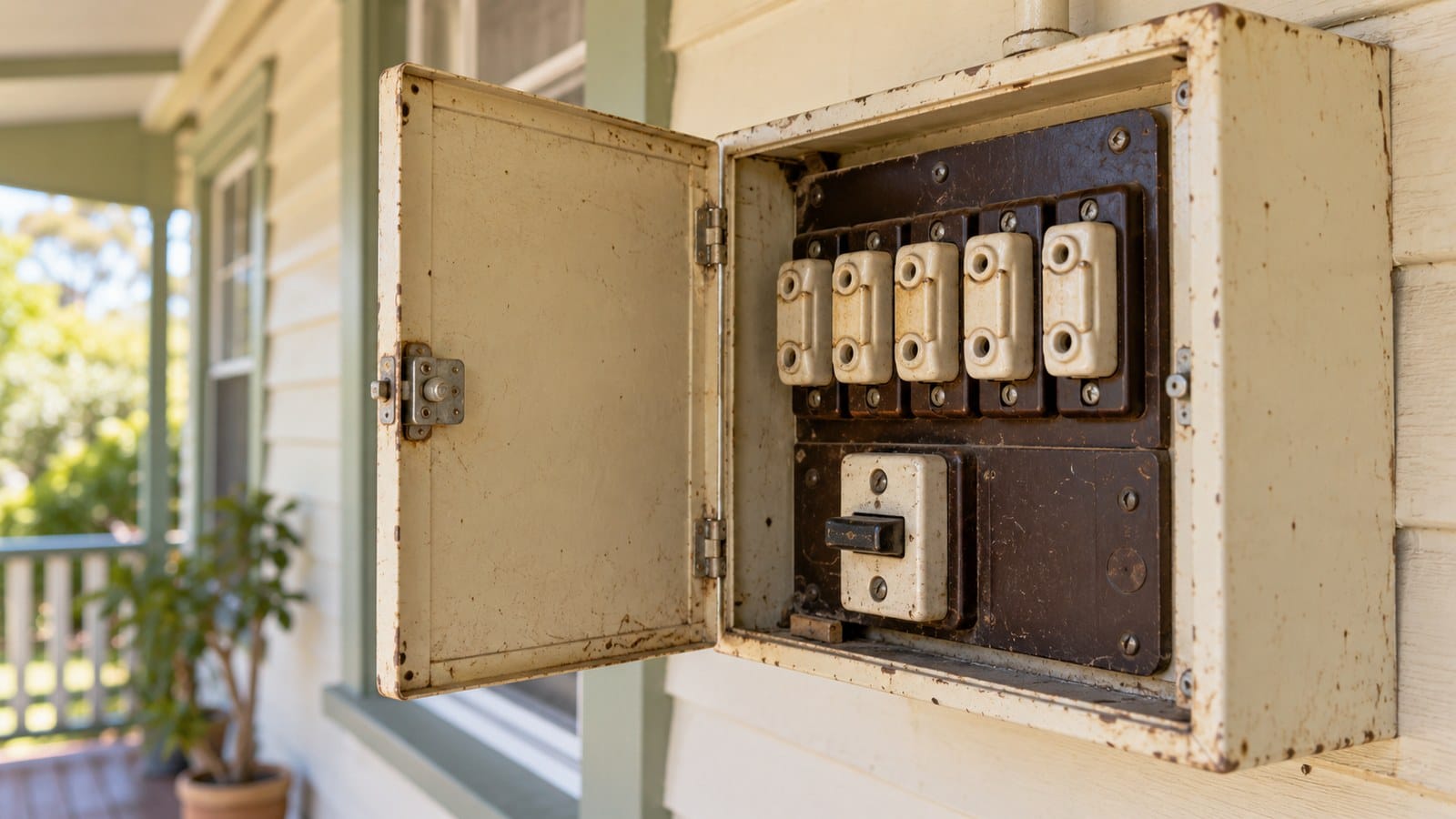
Walk into a lot of older homes in Bunbury and you'll find a ceramic fuse board. Or an early circuit breaker panel. They were fine for what they had to do back then: a lighting circuit, a few power points, the hot water, maybe one air con.
That's not how people live now. Think ducted reverse cycle, an induction cooktop, an electric oven, heat pump hot water, a dryer, a couple of TVs, a home office, a pool pump. Then add solar, a battery and an EV charger. The load on that old board is nothing like what it was built for.
And it's not only about how much it can handle. It's about safety.
Ceramic fuse boards don't have RCDs. An RCD is a safety switch. If it senses power leaking to earth, it cuts the circuit in a few milliseconds. That leak is what most often kills people. In WA, the wiring rules say all new home electrical work needs RCDs. So do circuits in bathrooms, laundries and outside. If you add new work to an old ceramic board, it has to have RCD protection. Most of the time, that means the board gets upgraded as part of the same job.
Check your supply before you buy anything, too. Most homes in Bunbury are on single-phase power. A bigger EV charger, a large air con system or a big battery inverter might need three-phase. If so, Western Power has to upgrade your connection. You don't want to find that out after you've paid for the gear.
What All That Sun Actually Means
Bunbury gets about 5.2 to 5.5 peak sun hours a day on average across the year. It's higher in summer and lower in winter. But over the year, it's well ahead of most southern capitals. The same system on your roof will make more power here than it would in Melbourne, Sydney or Brisbane.
That means a smaller system can cover more of what you use. But you still need to think about what Synergy pays you for spare power and what they charge you for power from the grid. Those two numbers are a long way apart.
What Synergy pays for the solar you send back to the grid is called the Distributed Energy Buyback Scheme rate, or DEBS. It's much lower than what you pay for the power you use. That gap is what drives every solar decision in Bunbury right now.
The money is in using your own solar, not sending it back. Every unit you use yourself saves you the full retail rate. Every unit you send back earns you the DEBS rate. That gap is big. Big enough to change how you size your system, whether you get a battery, and when you run your heavy appliances.
So run the dishwasher, the washing machine and the hot water in the middle of the day, not at night. It's not just a green habit. It cuts your bill.
There's also a Western Power export limit you should know about. Most homes on the South West Interconnected System can export up to 10 kilowatts per phase. If your system is bigger than that, it can't send the extra back. It just gets cut off. A bigger system can still make sense if you use the extra power yourself. But it changes how the system is sized and set up. Find out before anything is ordered.
EV Charging and What Your Home Needs
You're seeing more and more electric cars in Bunbury driveways. And the way people drive here suits charging at home. Most trips around the South West are well within what one night's charge gives you.
You can charge from a normal power point. It's just slow. A standard 10-amp outlet adds about 8 to 12 km of range an hour. If you don't drive much and the car sits all night, that might be enough. If you have a bigger battery or drive a lot each day, it won't keep up.
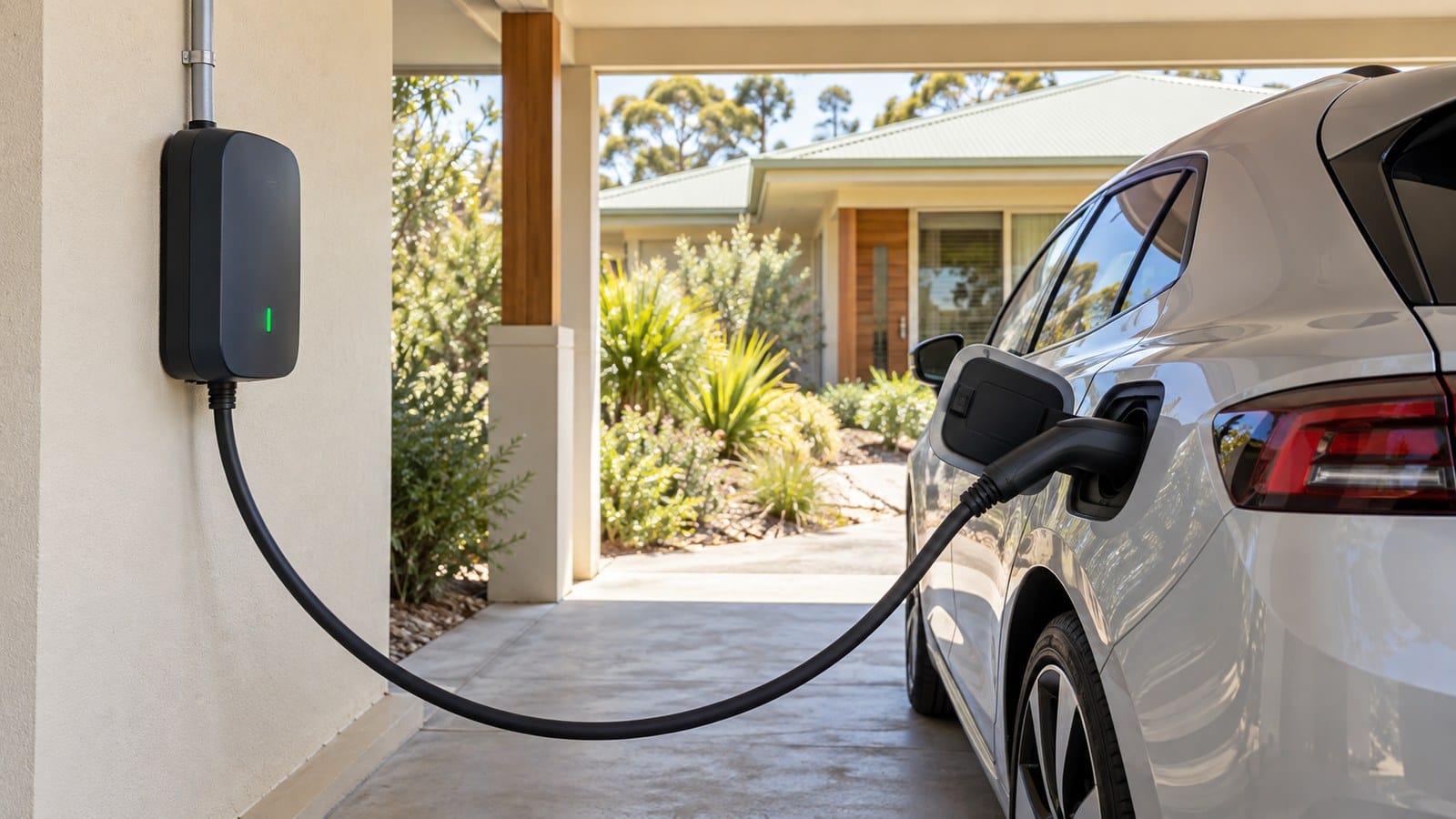
For most homes, the answer is a Level 2 charger on its own circuit. A 32-amp charger adds 25 to 50 km of range an hour, depending on the car. For most Bunbury homes, that means a full charge overnight, even from nearly empty. It usually costs $700 to $1,500 to put in. The price depends on how far the cable has to run from the switchboard to the garage or carport.
It gets even better with solar. A smart charger can be set to charge mostly while the sun is up. That way the car runs on power your roof is already making, not power from the grid. If your car sits at home during the day, that can bring a big chunk of your fuel cost close to zero.
Synergy also has an EV plan for people who qualify. It gives you a cheaper rate for charging at off-peak times. Rates and rules change, so check with Synergy directly. Don't go by old information.
Batteries: When They Make Sense and When They Don't
A battery isn't right for every home in Bunbury. Whether it pays off comes down to your own numbers.
The idea is simple. Your solar makes power during the day. You use some of it right away. The rest would normally go back to the grid at the DEBS rate. A battery stores that extra and lets you use it at night, when you'd otherwise buy power at the full rate. What you save each day is about the number of units you store, times the gap between the two rates.
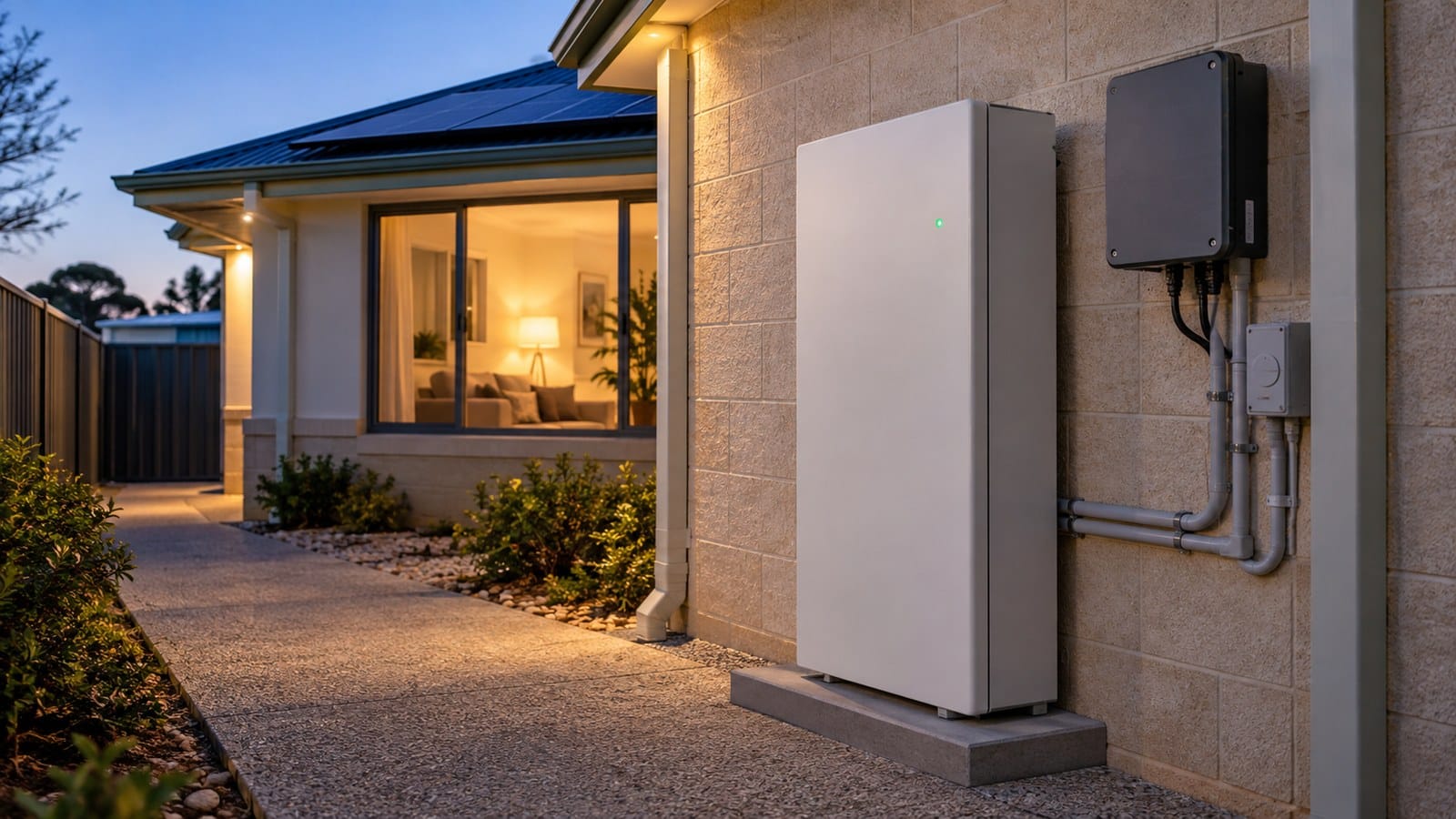
In a Bunbury home that suits one, a 10kWh battery will usually give you 8 to 10 kWh a day you can use. You lose a bit each time it charges and discharges. At today's rates, it pays for itself in 7 to 12 years. That's a wide range. It depends on how you use power, how much solar you're sending back now, and what power prices do from here.
A battery makes the most sense if:
- you make a lot more solar than you use during the day
- you use a fair bit of grid power at night
- you plan to stay in the home long enough to see it pay off
It makes less sense if your bills are already low, you don't use much power at night, or you might move in the next five years. In those cases, the money is usually better spent on something else.
Whatever brand you look at, check the warranty and the cycle life. Good lithium iron phosphate batteries from well-known makers come with a 10-year warranty. They also guarantee how much capacity is left at the end of it. Lesser-known brands often have shorter or vaguer terms. If your battery is down to 60 percent by year seven, it hasn't paid off the way you were told it would. Get the cycle life and warranty terms in writing before you sign.
Smoke Alarms: The WA Change That Affects Your Home
WA has changed its rules for smoke alarms in homes. The change is still working its way through older houses, and a lot of Bunbury owners don't know where their home sits.
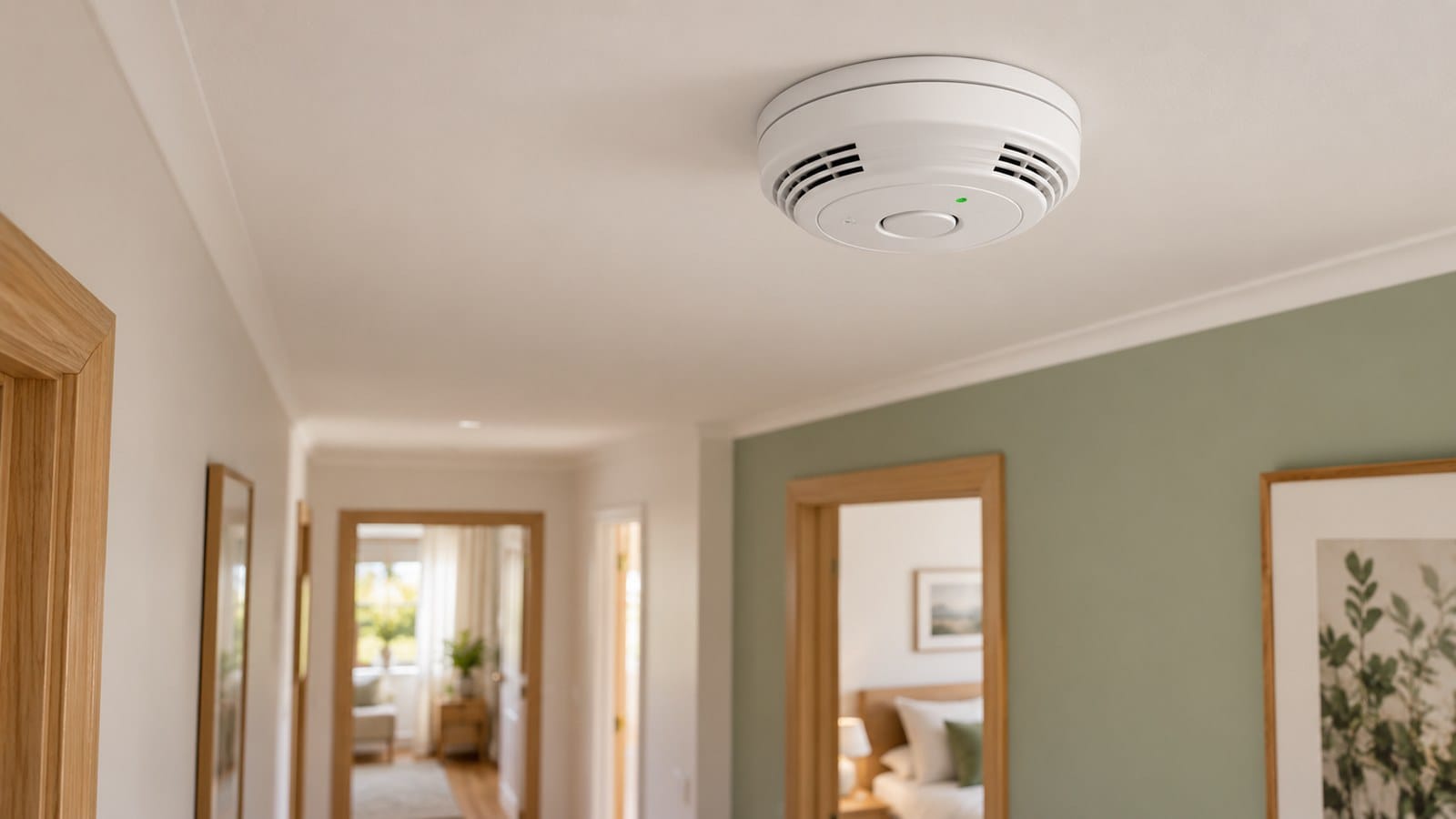
The new rules say you need photoelectric smoke alarms that are linked together, all through the house. When one goes off, they all go off. If you get a new building permit, the rule applies straight away. For older homes with no permit, you have more time. But it's coming, and your home will need to comply at some point.
Hardwired, linked alarms are a better choice than battery ones. They have a backup battery for blackouts. And you don't have to remember to change the batteries before they go flat. You need a licensed electrician to put them in. It's usually a quick, easy job. You can add it to any other electrical work you're having done and save on a second call-out.
What WA Licensing Rules Say
All fixed wiring in a WA home has to be done by a licensed electrical contractor. This isn't just advice. It's the law, and EnergySafety (part of DEMIRS) enforces it.
You can check any electrician's licence on the EnergySafety online register before work starts. It takes about 30 seconds. It's the best way to know the person doing the job is qualified and on the hook for it.
Some jobs count as notifiable work. New circuits, switchboard upgrades, solar connections and batteries are all on that list. Notifiable work has to be reported to EnergySafety. Then a licensed inspector has to check it and sign it off before the power goes on. Your contractor books the inspection. When the job's done, ask for the certificate of compliance. Keep it with your house papers.
Solar also needs its own approval from Western Power to connect to the grid. Your inverter can't legally go on the grid without it. The application goes through Western Power and sets the most your system is allowed to export. If an installer skips this step, the job isn't compliant. That affects whether the system is legal, and whether you can get the DEBS rate. If you're adding panels to an old system, or you're on an older feed-in deal, pay close attention to this step. Ask your installer to talk you through it before any work starts.
The Safety Check Most Bunbury Homes Have Never Had
Most older homes in Bunbury have never had a full electrical check since the day they were wired. Wiring that's 30 or 40 years old can break down. The insulation wears, connections come loose, and outdoor joins corrode. You often can't see any of it from inside. It shows up as heat when the load is high, a circuit that keeps tripping, or at worst, a fire.
A proper check looks at the switchboard connections, the wiring you can get to at junction points, any wiring out to sheds and garden lights, and whether your RCDs and breakers work under test. If your home is close to 30 years old, that's just normal upkeep. It's not an odd thing to ask for.
Test your RCDs once a year with the button on the switch. It takes a few seconds and tells you the switch still works. A test by an electrician goes further. It checks how fast the RCD actually trips, which the button can't tell you. An RCD that's been reset a lot, or is getting old, can get slower. Better to find that out now than when you need it.
Energy in Bunbury is changing faster than it has since the first homes were hooked up to the grid. What you decide now about solar, batteries, EV charging and your switchboard will shape your home's power costs for the next 20 years. Get advice from someone who knows the local grid, how Synergy's rates work and WA's rules. That's what makes those choices pay off.


Comments ()