
The Bedroom Design Choices That Actually Make Rest Harder Than It Needs to Be
Sleep should come easily. Learn how small bedroom design choices can remove friction and help your space feel calm, supportive, and truly restful.
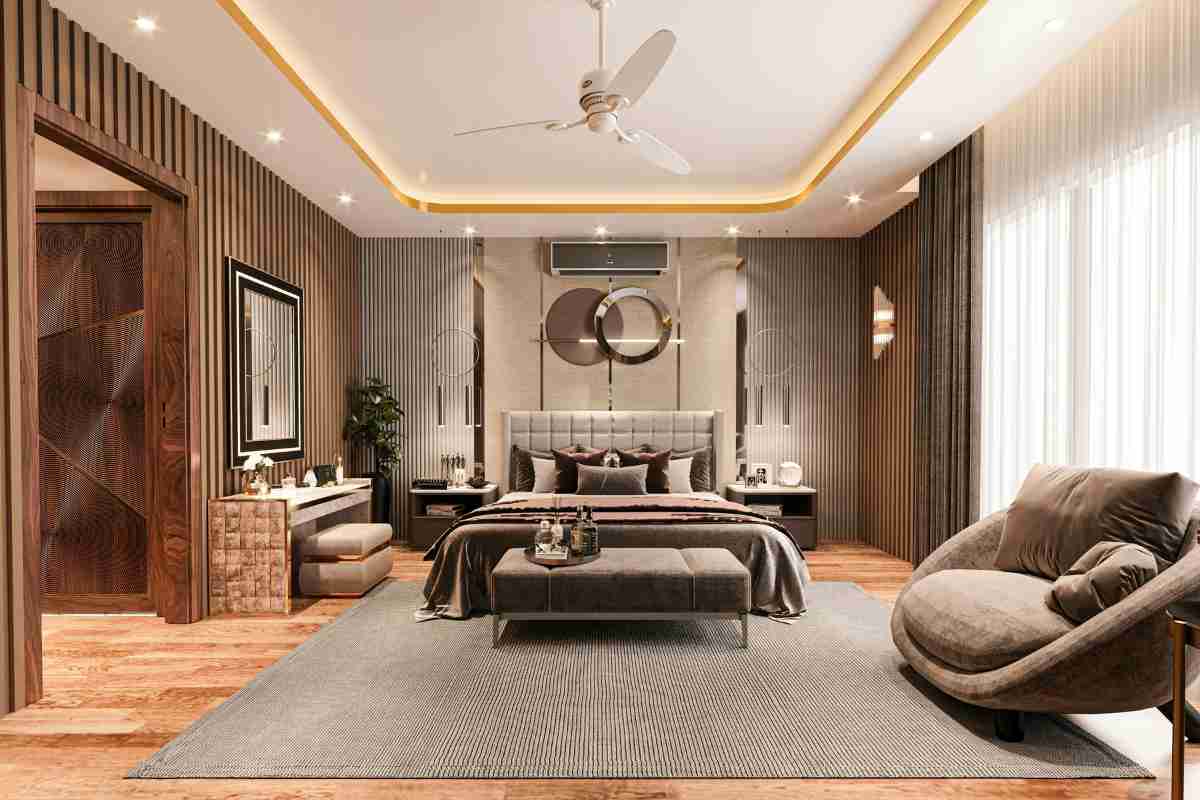
Sleep should feel like the easiest thing in the world. You close the door, turn off the light, and let your body do what it has done forever. Yet for many homes, the bedroom works against that simple goal. Not in dramatic ways, but in small design decisions that pile up over time. The room looks fine. It photographs well. It just does not feel good to be in for eight straight hours.
Designing a bedroom is not about chasing trends or recreating a catalog spread. It is about removing friction, visually and physically, so rest comes naturally instead of being something you have to earn.
When Size Becomes the Wrong Kind of Statement
Big furniture feels like a win until it does not. Oversized beds, bulky nightstands, and heavy dressers can quietly overwhelm a room, especially in homes where square footage is tight. A king mattress can be a dream for sleeping space, but only when the room can support it without squeezing everything else into awkward corners. When walking paths narrow and doors barely clear furniture edges, your body notices, even if your brain does not label the problem.
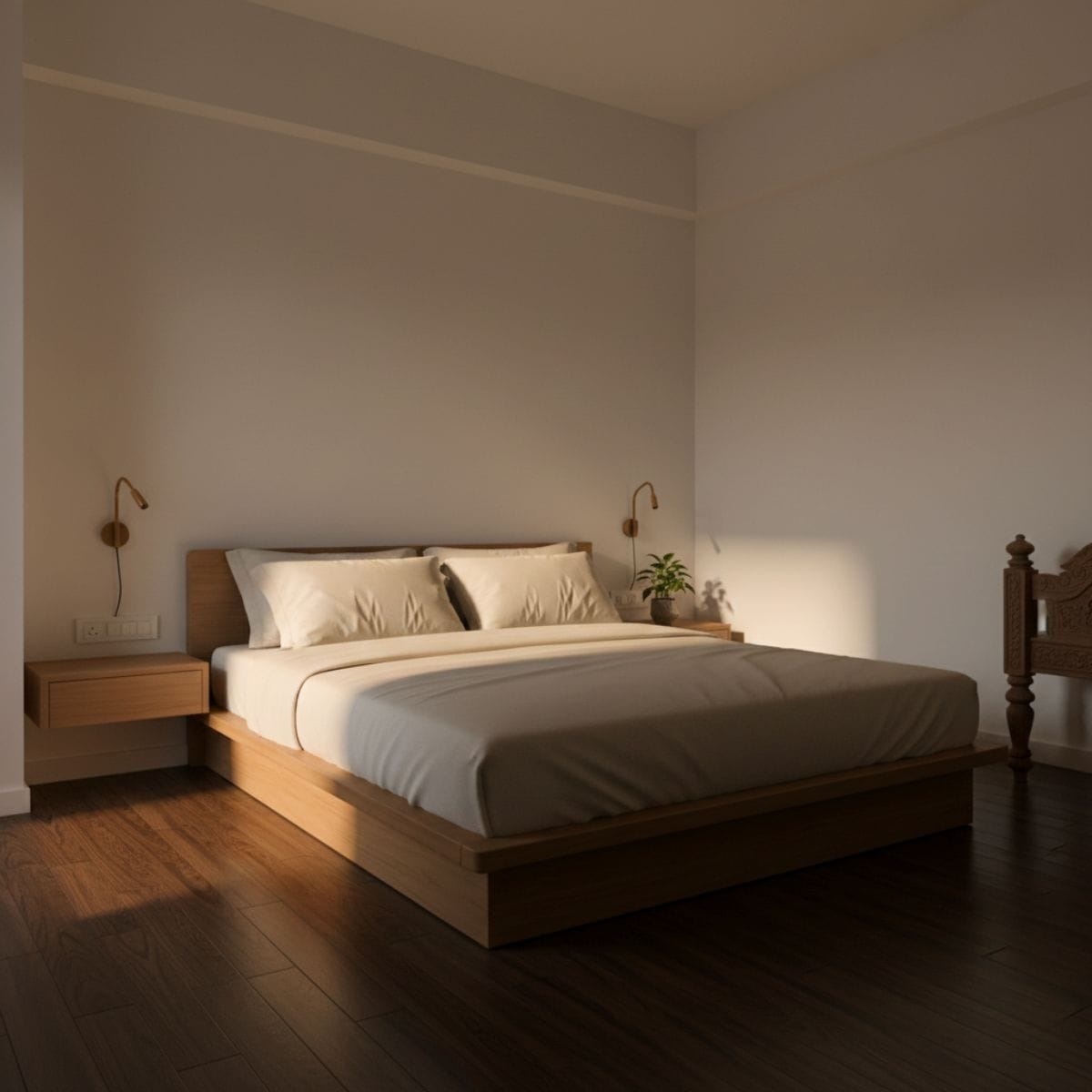
The fix is not always downsizing the bed. Sometimes it is simplifying what surrounds it. Floating nightstands, slimmer lamps, and fewer pieces overall can restore balance. The goal is ease of movement. You should never feel like you are navigating an obstacle course on the way to bed.
The Bed Frame You Choose Sets the Tone for Everything
The bed frame is not just a support system. It defines how grounded or cluttered the room feels. Traditional frames with tall footboards and ornate details can visually chop up a space, especially in rooms with lower ceilings. This is where platform beds earn their quiet popularity. They sit lower, feel more modern without shouting, and allow the mattress to be the focus instead of the structure beneath it.
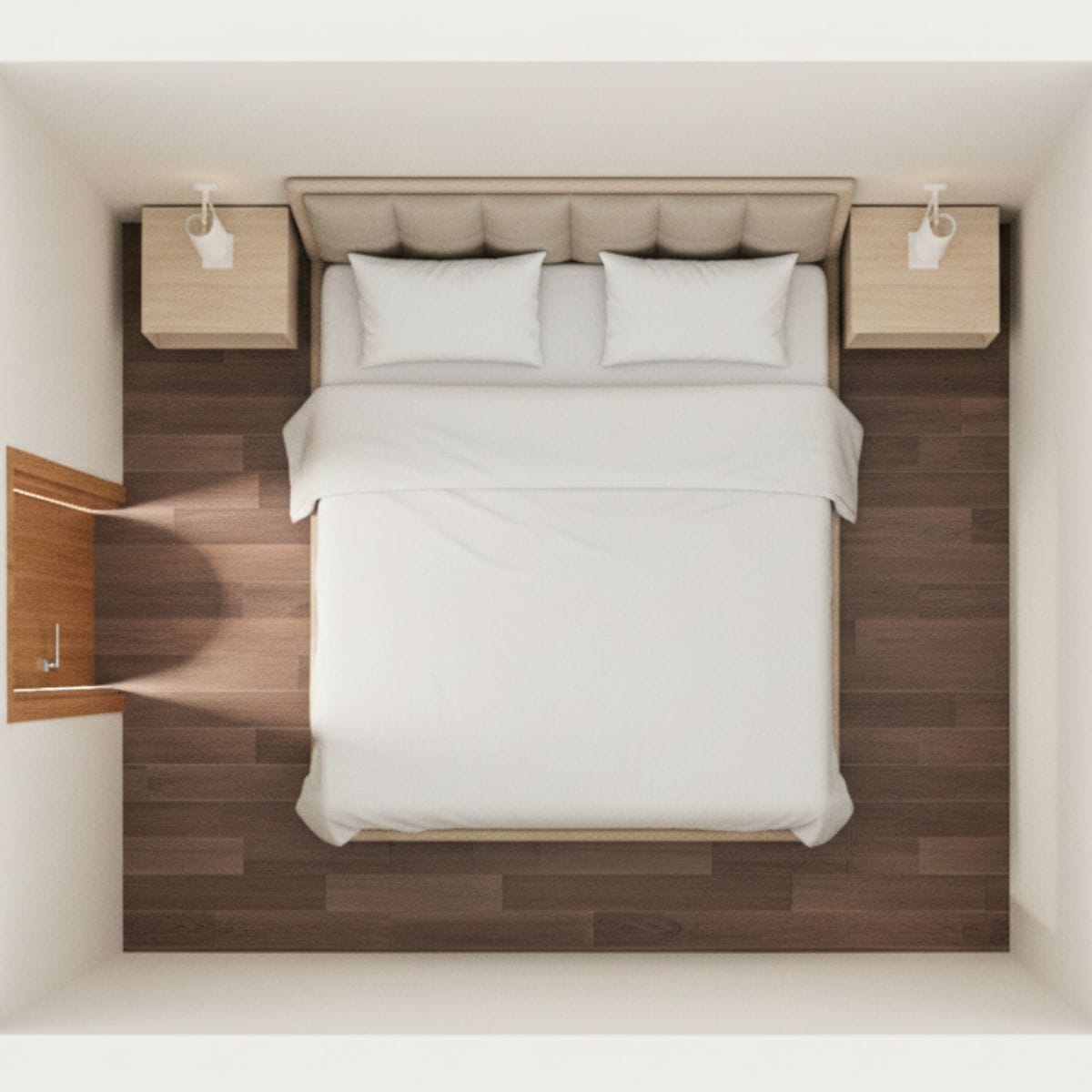
A simpler base also helps with visual calm. When the eye does not have to process layers of trim, slats, and excess hardware, the room feels more settled. That sense of calm matters more than most people realize when the lights go out.
Lighting That Looks Good but Feels Wrong
Lighting mistakes are everywhere in bedrooms, and they usually come from copying living room logic. Overhead fixtures that are too bright, bulbs that skew cool instead of warm, and lamps placed for symmetry instead of function all interfere with rest.
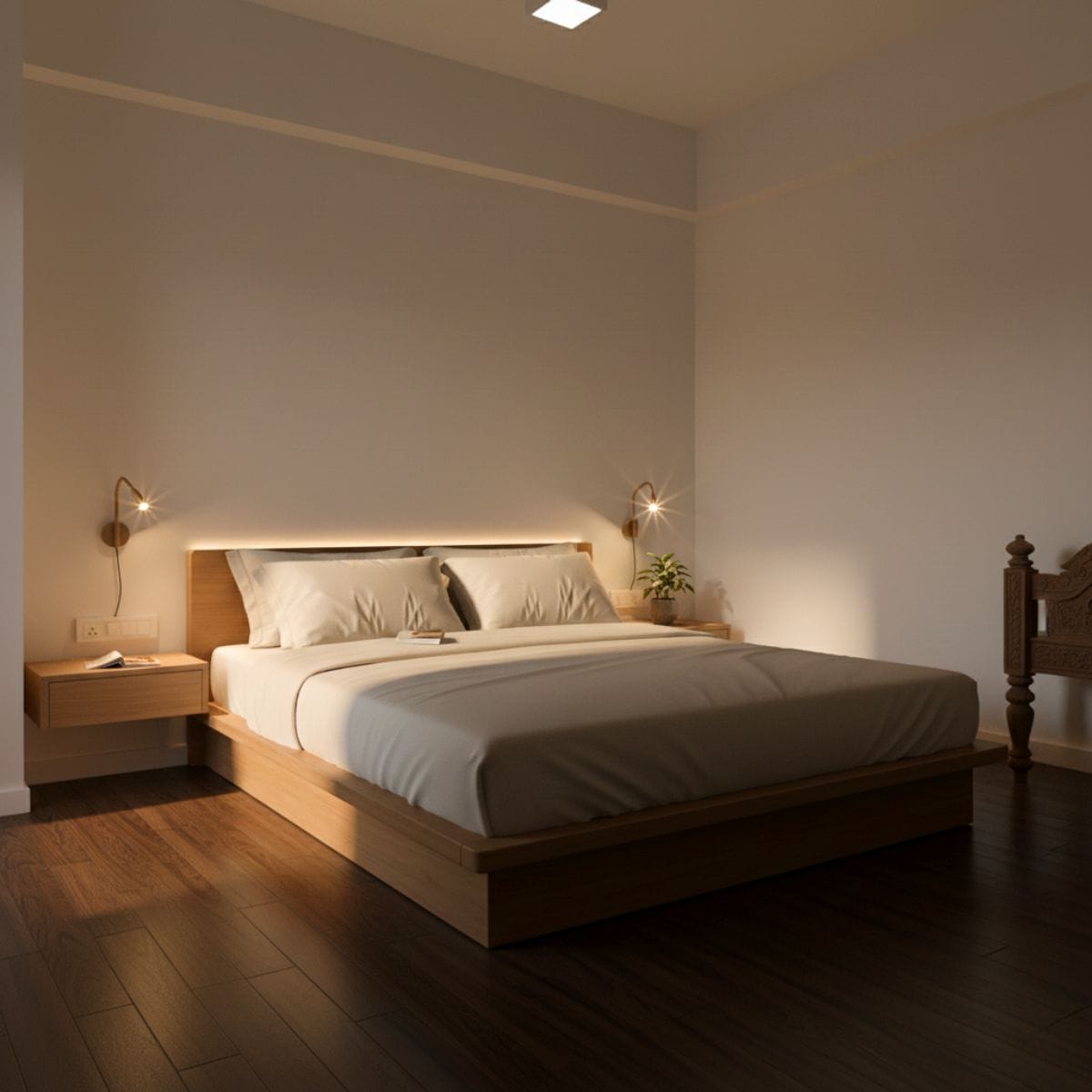
Bedrooms benefit from layered lighting that stays soft and adjustable. Reading lights should not blind your partner. Ambient light should not feel like a spotlight. Dimmers help, but placement matters just as much. Light should feel intentional, not like an afterthought that happened to match the decor.
Walls That Ask Too Much of Your Eyes
Bold wall colors and high contrast wallpaper have their place, but bedrooms are not always it. Deep hues can be cozy, but when paired with stark white trim or busy patterns, they keep the brain alert. Even subtle contrast can add tension if it dominates the field of vision.
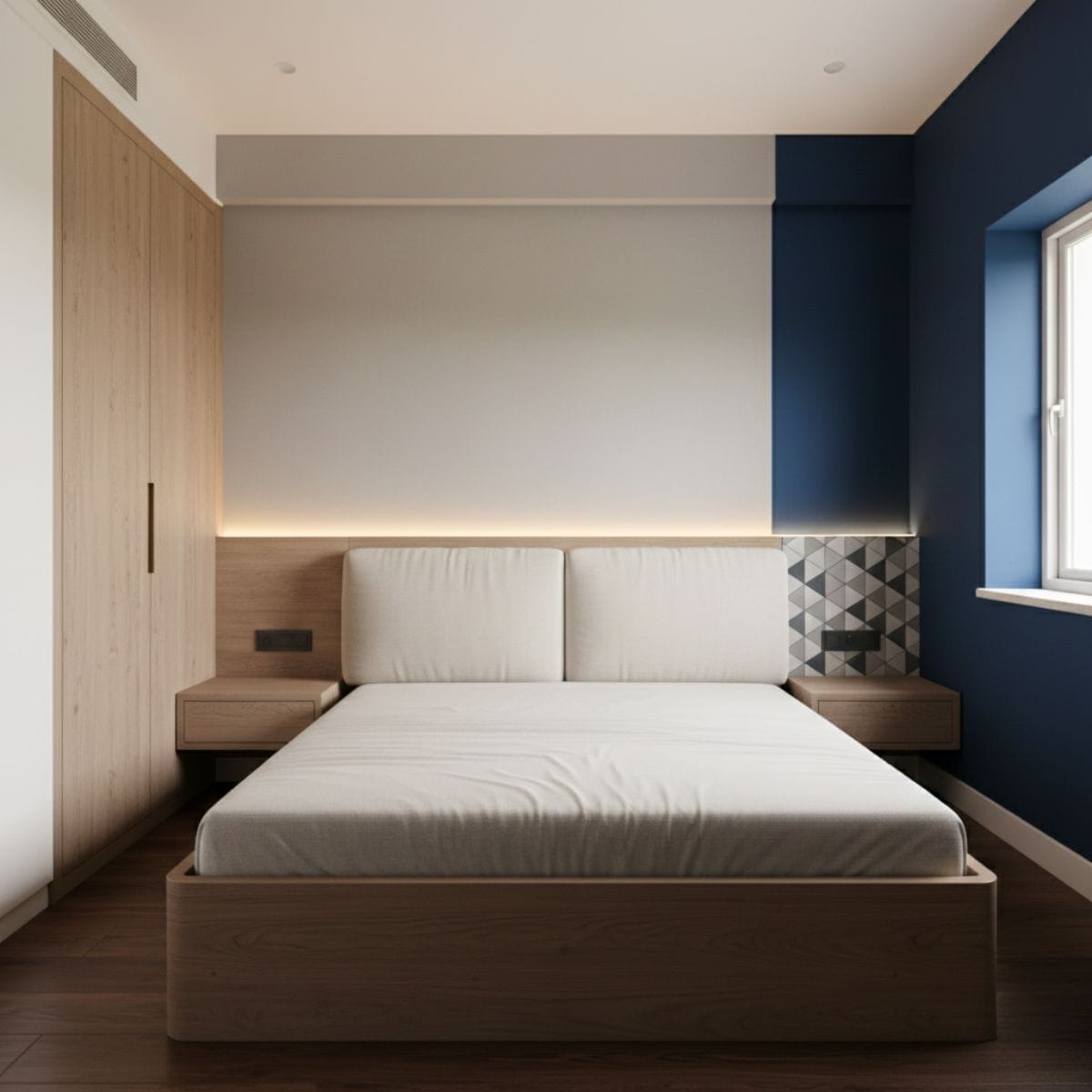
Neutral does not mean boring. It means giving your eyes somewhere to rest. Texture can do more work than color here, whether that comes from fabric, wood grain, or softly finished walls. A bedroom should feel like a pause, not a visual conversation that never ends.
Storage That Creates Stress Instead of Solving It
Clutter is not always about having too much stuff. It is often about storage that does not match how you live. Open shelving looks great in photos, but it puts everything on display, including the things you would rather forget about at night. Overfilled dressers, visible piles, and nowhere to set tomorrow’s clothes all add low level mental noise.
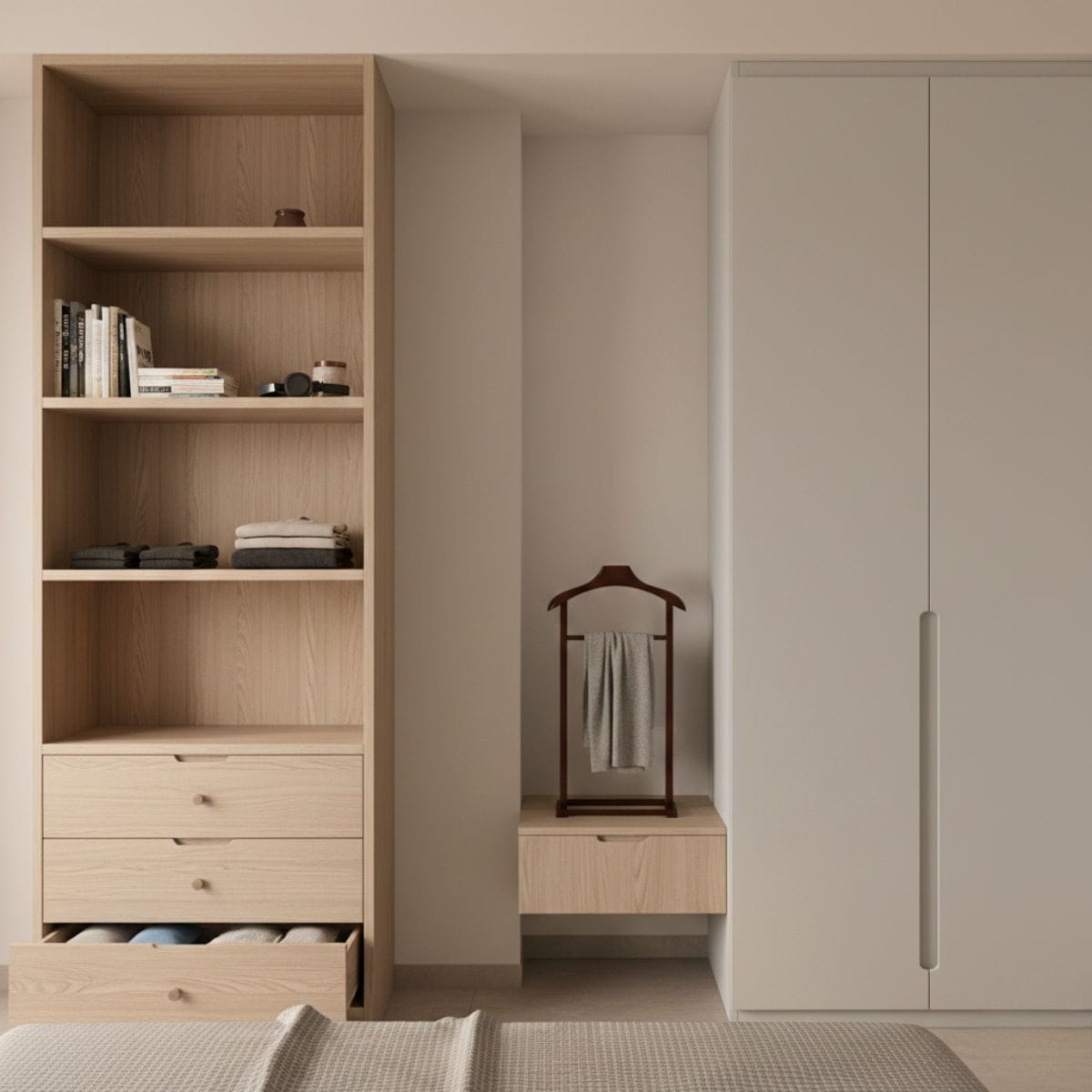
Closed storage with simple lines helps the room feel complete at the end of the day. When surfaces clear easily, your mind tends to follow. The bedroom does not need to be minimal. It just needs to feel resolved when you turn off the light.
Decor That Feels Performative Instead of Personal
Bedrooms suffer when they are designed to impress instead of support. Art chosen only to match the color scheme, pillows stacked for effect, and accessories that exist purely for styling can create a subtle sense of distance. The room looks nice, but it does not feel like it belongs to you.
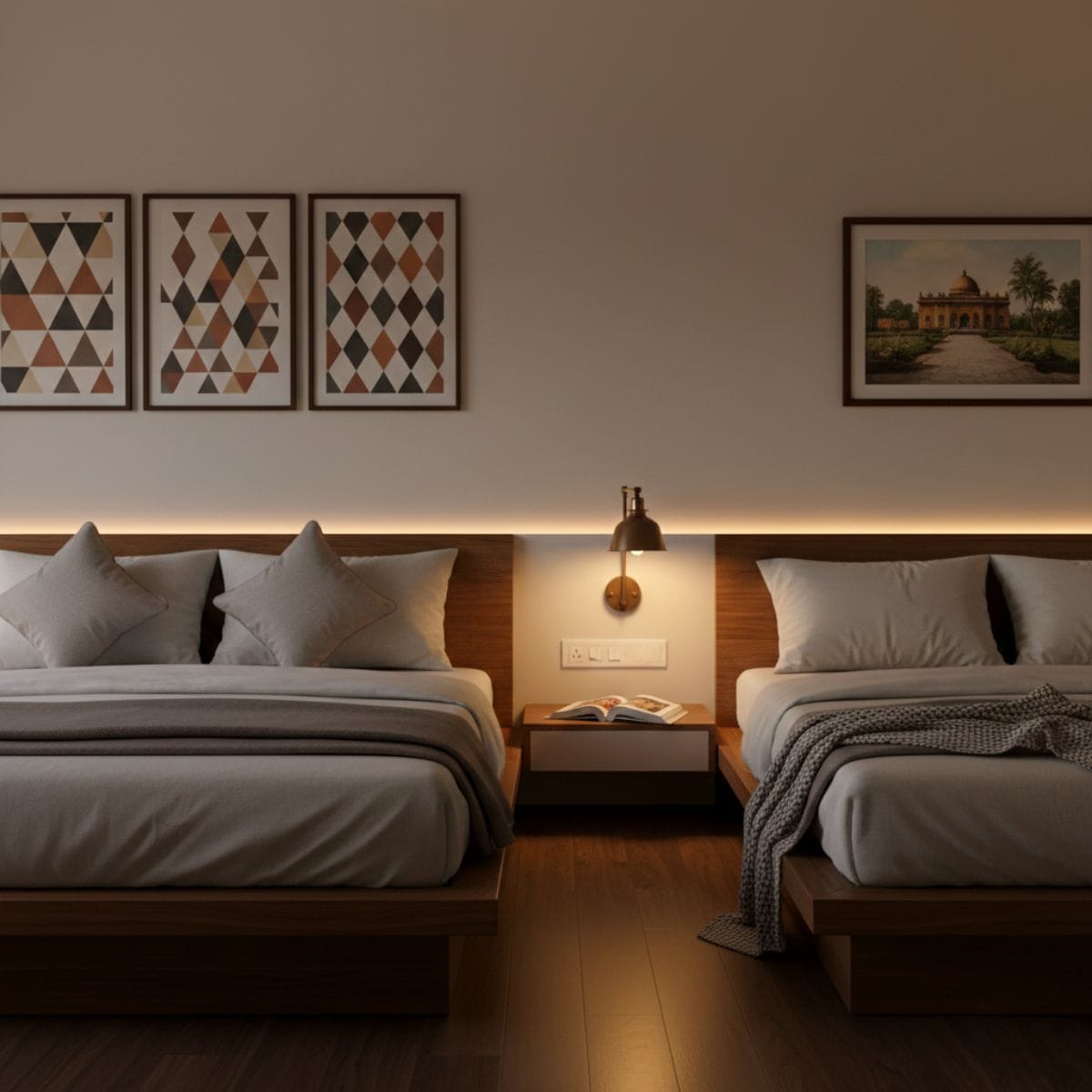
The most restful bedrooms usually include a few personal anchors. A piece of art that means something. A lamp you actually love using. A throw you reach for without thinking. These details ground the space in real life, which is where rest actually happens.
A good bedroom does not demand attention. It earns trust. When the space works quietly in your favor, sleep feels less like a goal and more like a given.
Comments ()