
Smart Ways to Prepare Your House for Sale Without Falling for Buyer Scams
Protect your property and privacy when selling your home. Learn how to safely vet buyer inquiries and secure your personal identity.

Selling a home is one of the biggest financial transactions most people ever make, and nearly 5 million sales happen nationwide each year. While most people focus on staging, listing prices, and open houses, physical and digital safety during the process deserves equal attention. Every day, homeowners receive unverified calls from people inquiring about signs, online form submissions, and direct messages offering quick cash deals.
When listing a house, particularly through For Sale By Owner (FSBO) platforms, sellers broadcast private details about their lives. Publishing address details, floor plans, and household schedules creates vulnerabilities that sophisticated bad actors routinely exploit. Protecting your property and personal identity requires a proactive vetting strategy before you open your front door to strangers.
Image Source: Pixabay
Recognize Common Hazards in the Home Selling Process
The initial phase of putting a property on the market usually brings a wave of rapid inquiries. While many represent genuine buyers, some inbound interest comes from deceptive sources targeting exposed contact numbers. Knowing what these risks look like allows you to spot suspicious behavior early.

One frequent issue involves identity collection disguised as buyer preliminary screening. Callers often pretend to be cash investors or out-of-state buyers and ask intrusive questions about household occupancy, employment details, or financial background before you even view the house. In other cases, individuals try to schedule unsupervised walkthroughs or request access outside standard hours, giving them a chance to survey home layouts and entry points.
Financial fraud also surfaces during contract negotiations. Bad actors often impersonate escrow agents or buyers via compromised email accounts to redirect earnest money or wire deposits into unauthorized accounts. Recognizing these patterns helps sellers keep control over their listing process.
Essential Screening Protocols for Inbound Inquiries
Every prospective buyer, unrepresented browser, or out-of-town investor who calls off a yard sign or digital listing should go through a basic screening process. Never share sensitive schedule information or private property details during an initial unscheduled conversation.

Establishing a standard intake procedure ensures every lead receives the same structured evaluation. Request full names, verified phone numbers, and proof of pre-approval or funds prior to setting up private showings. Genuine buyers expect standard verification steps, whereas fraudulent parties typically resist providing traceable identity credentials.
For quick identity verification during direct sign calls or online messages, utilizing a free reverse phone number lookup offers a fast safety checkpoint before giving out home viewing availability or private details. Cross-referencing an incoming caller ID with publicly linked name records helps confirm whether you are speaking with an authentic buyer or a masked voice-over-IP connection.
Beyond phone checks, sellers should maintain consistent boundaries when interacting with prospective purchasers:
- Require pre-approval letters from recognized lenders before arranging in-person tours
- Schedule viewings exclusively during daylight hours when multiple adults can be on site
- Keep a physical logbook recording the names and verified contacts of everyone who enters
These simple vetting practices eliminate unstructured access to your home while signaling that your property is actively monitored and secured.
Safeguarding Your Property During Live Showings
Physical security requires extra planning once buyers start visiting. Staged homes should look welcoming, but they must never expose sensitive personal items or high-value belongings to casual visitors.
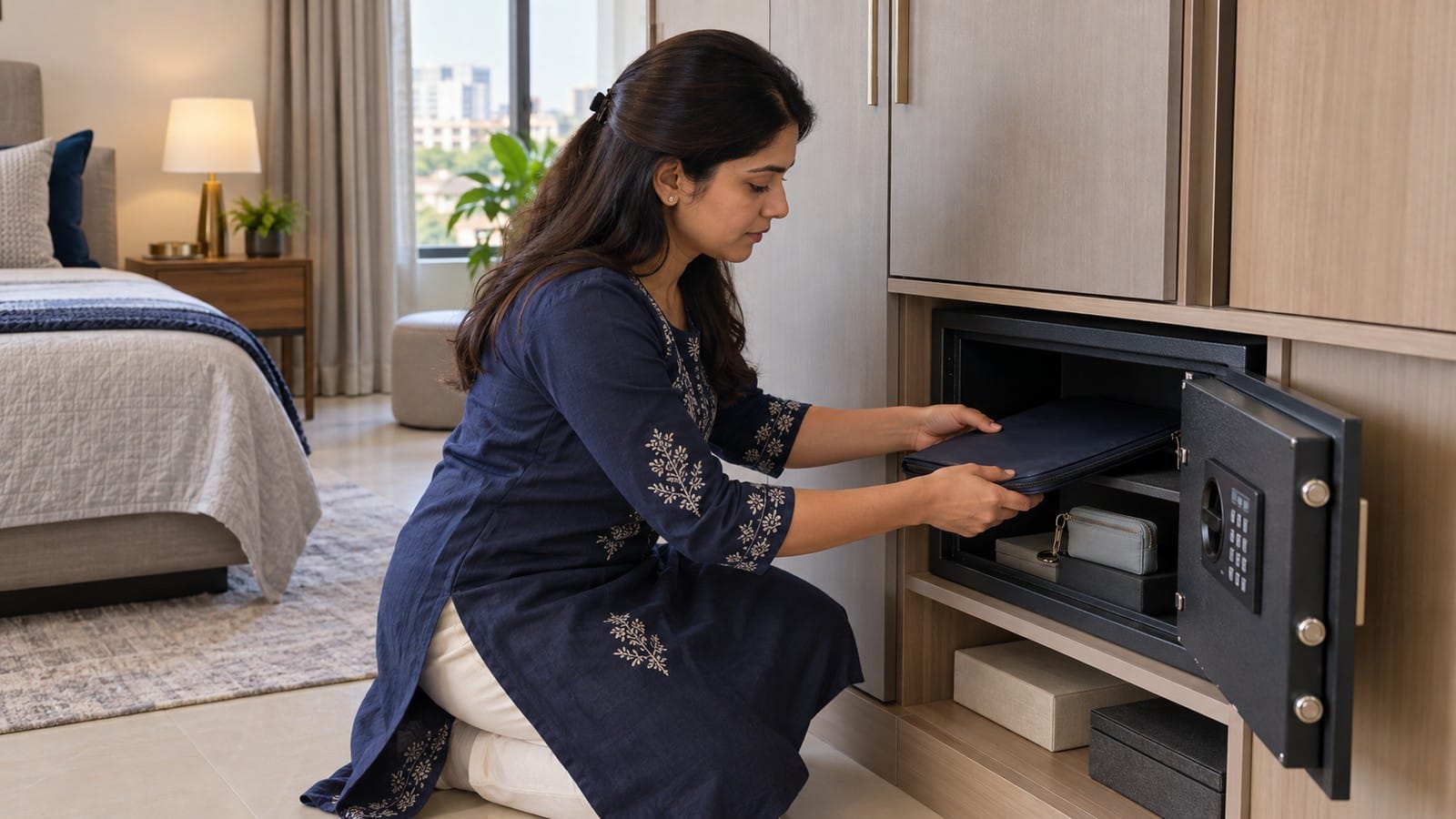
Before opening your home for viewings, remove all personal paperwork, financial records, prescription medications, and small electronics from plain sight. Lock passports, spare keys, tax filings, and bank statements in a secure safe, or move them offsite entirely. It is also wise to disable smart home devices or security keypads that might reveal daily routine passcodes during tours.
When conducting showings yourself, accompany visitors through each room rather than letting them roam freely. If a real estate agent manages the walkthrough, ensure they enforce sign-in protocols and confirm all doors and windows are securely latched after each tour.
Protecting Your Digital Footprint and Transactions
Online real estate listings contain a large amount of public data that bad actors can repurpose. High-resolution photos showing expensive artwork, high-end electronics, or home security layouts provide unintended intelligence to individuals scouring public real estate databases.

Work with your listing platform or agent to ensure high-value personal property is framed out of promotional photography. Avoid posting images that show family portraits, children's names, or identifiable work-from-home office setups that could help social engineers.
Cybersecurity practices must also extend to the closing stage. Transaction fraud routinely relies on spoofed email addresses mimicking real estate attorneys or title companies.
Research shows that real estate cybercrime schemes targeting wire transfers remain a growing concern across residential transactions. Always verify wiring instructions by phone using a trusted, independently sourced number before transferring funds or authorizing transaction documents.
Secure Your Home Sale Strategy
Navigating a home sale requires a careful balance between attracting qualified buyers and protecting your personal privacy. Clear screening protocols, securing physical valuables, and verifying caller identities help you manage property viewings with confidence.

Simple security precautions at every stage help ensure a smooth, safe, and controlled transaction from initial listing to final closing. Explore our other property market guides to make your home sale far less stressful.



Comments ()