
How to Evaluate a Condo Before Making a Property Purchase Today
Smart condo buying requires checking building health, records, fees, and neighborhood. Inspect thoroughly and verify facts to avoid hidden costs.
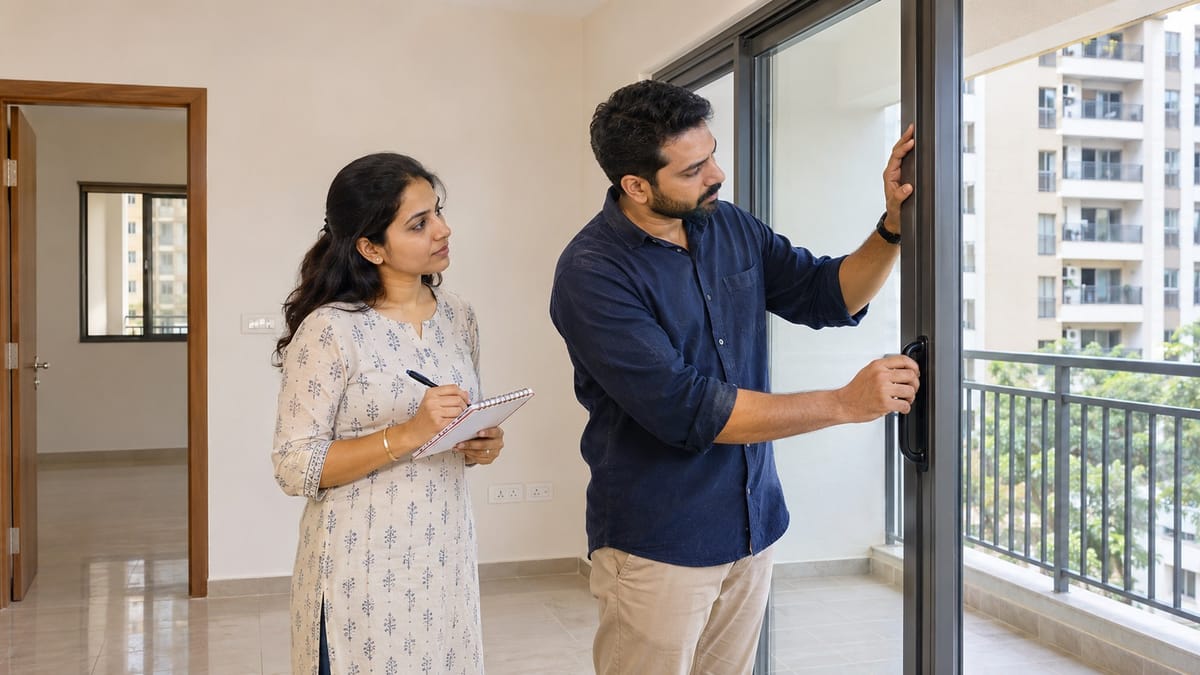
Buying a condo takes more than attractive photos and a reasonable asking price. A sound decision depends on the building’s condition, ownership records, monthly expenses, surrounding area, and suitability for everyday routines. Careful buyers examine each point before making a deposit. They visit the property, compare similar units, ask direct questions, and review written evidence. This method reveals hidden costs, practical limitations, and financial risks that can remain invisible during a brief viewing.
Set A Practical Budget
A reliable budget covers the purchase price, deposit, transfer charges, mortgage interest, insurance, furniture, maintenance fees, and initial repairs. Keep money available for emergencies after completion.

Before arranging viewings, buyers can compare nearby listings such as a Fak Khao Phod Condo (คอนโดฝักข้าวโพด). Reviewing floor area, room condition, facilities, transport links, and asking prices creates a useful reference point. That information helps purchasers identify inflated figures and prepare focused questions during property inspections. A sound comparison prevents visual appeal from becoming the sole basis for valuation.
Study The Building And Location
Location influences commuting time, daily spending, rental interest, and future resale potential. Buyers should check routes to offices, schools, hospitals, shops, and public transport.

Visiting in the morning and evening can reveal congestion, noise, parking shortages, and security concerns. Nearby construction deserves attention because new structures may affect views, sunlight, traffic flow, and ambient sound.
The building requires equal scrutiny. Entrances, lifts, corridors, parking areas, security stations, fitness rooms, pools, and refuse points should appear clean and functional. Persistent stains, damaged equipment, weak lighting, or unpleasant odors may indicate deferred maintenance.
Inspect The Unit Condition
During an inspection, purchasers should examine ceilings, walls, floors, windows, doors, plumbing fixtures, electrical outlets, air conditioners, and fitted furniture. Running taps, flushing toilets, testing switches, and checking drainage can quickly reveal faults.

Light exposure and air movement also affect comfort. Visitors should examine the unit with windows open and closed, then listen for nearby traffic or mechanical noise. Mold, damp surfaces, cracked tiles, uneven floors, pest traces, and poor seals deserve written records. Images rarely show these problems accurately.
Review Ownership And Fees
Monthly common fees usually fund cleaning, security, lift servicing, landscaping, repairs, and shared amenities. Buyers should request the current rate, payment dates, sinking fund balance, and history of unpaid contributions.

A modest charge can appear attractive, although insufficient reserves may lead to large special collections later. The seller should confirm which appliances, fixtures, furniture, parking rights, and storage areas remain with the unit.
Written details reduce disagreements after completion. Parking may belong exclusively to one residence, carry a separate fee, or operate through an allocation system.
Check Legal Documents
The title deed, room plan, seller’s identification, and building records should correspond with the property shown. Buyers need to confirm ownership, floor number, stated area, parking information, registered loans, and legal restrictions.

A property lawyer or qualified adviser can review these records before any binding payment. Secure mortgage approval early. Interest rates, insurance requirements, repayment periods, penalties, and early settlement conditions can substantially change the true cost.
A payment that seems manageable may become burdensome once you add utilities, maintenance charges, repairs, and household obligations.
Measure Daily Livability
A suitable condo should fit the purchaser’s real routine. Room proportions, storage capacity, kitchen space, bathroom access, balcony dimensions, and furniture placement require practical testing.
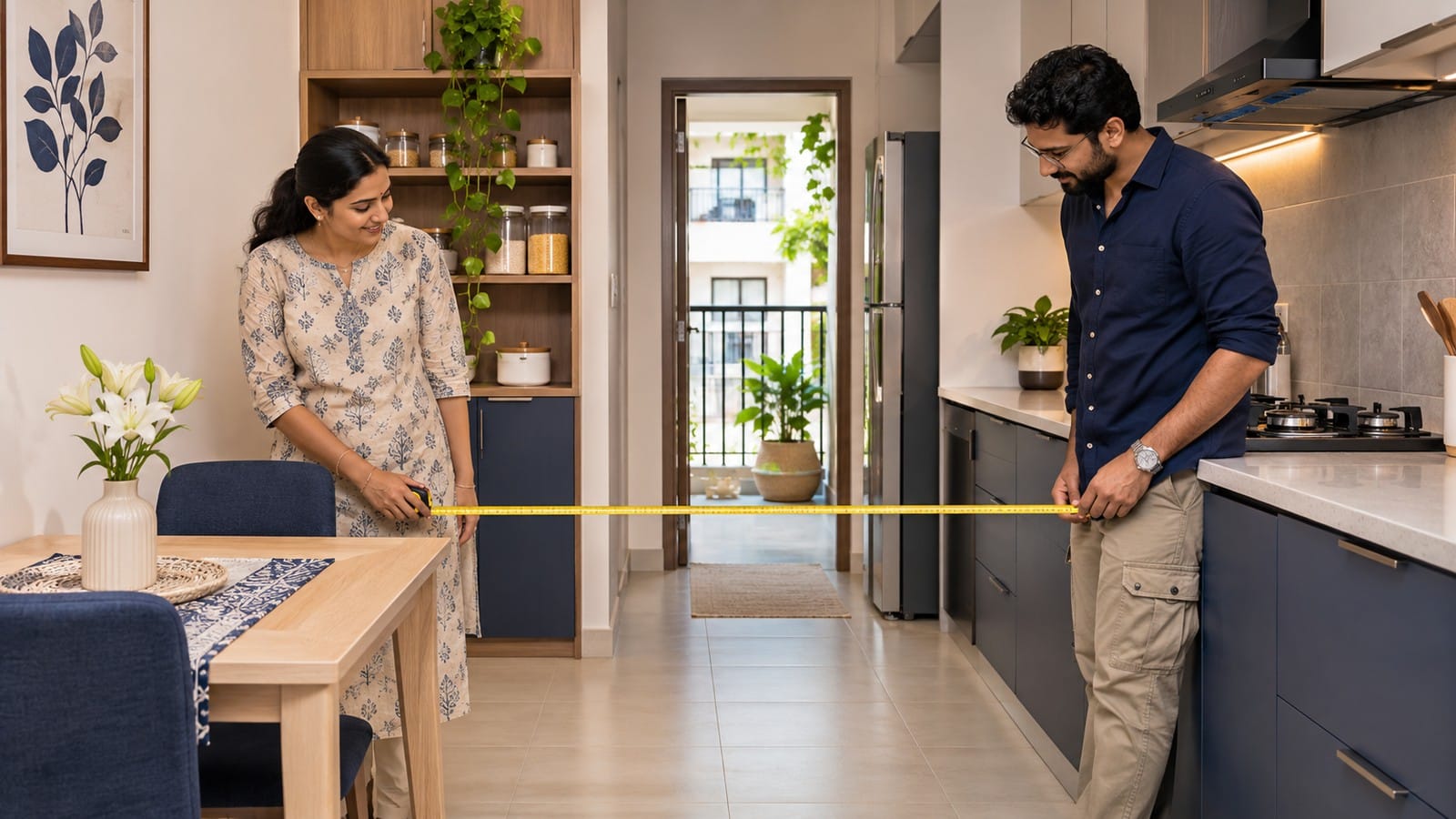
Visitors can picture a normal morning, work period, meal, and evening inside the unit. This exercise often exposes awkward circulation or inadequate storage. Noise requires careful attention as well. Residences beside lifts, refuse rooms, roads, plant equipment, or activity areas may experience repeated disturbance.
A quiet appointment does not always represent ordinary conditions. Speaking with nearby residents can provide useful evidence about recurring sound or service issues.
Compare Asking Prices
Price analysis should involve similar units within the same development or nearby projects. Floor level, outlook, renovation quality, age, parking access, room orientation, and ownership terms can alter value considerably.

Price per square meter offers a starting point, not a final answer. Recent transaction evidence carries greater weight than a seller’s preferred figure. If the asking price exceeds comparable units, purchasers should ask for a specific explanation.
Negotiation may address furniture, outstanding repairs, transfer expenses, or staged payments. Records from several listings make these discussions more objective.
Test Building Operations
Management quality affects daily comfort long after purchase. Buyers should ask residents or staff about lift waiting times, water interruptions, parcel handling, visitor entry, security checks, repair response, and communication procedures.

Owners’ meeting records may reveal planned renovations, unresolved disputes, or upcoming collections. Building rules also deserve review. Policies concerning pets, renovations, short-term letting, moving hours, balcony use, and commercial activity can affect future plans.
A unit may suit present needs yet create restrictions if employment, family arrangements, or rental intentions change.
Conclusion
A condo purchase should follow evidence, not excitement. Buyers who combine financial planning, location checks, physical inspections, document verification, fee analysis, and price comparisons gain a stronger basis for judgment. Conversations with residents and professional advisers can add valuable context, while written records should support every final commitment. Reviewing each factor in sequence helps purchasers identify hidden liabilities and select a home that remains affordable, functional, and suitable for daily life over the long term.



Comments ()