
Buying a Home in New Zealand as a Singaporean: Why Christchurch Is Worth a Look
Singaporeans can uniquely buy property in NZ. Discover why Christchurch new builds offer great customization, from layout to kitchen cabinetry.
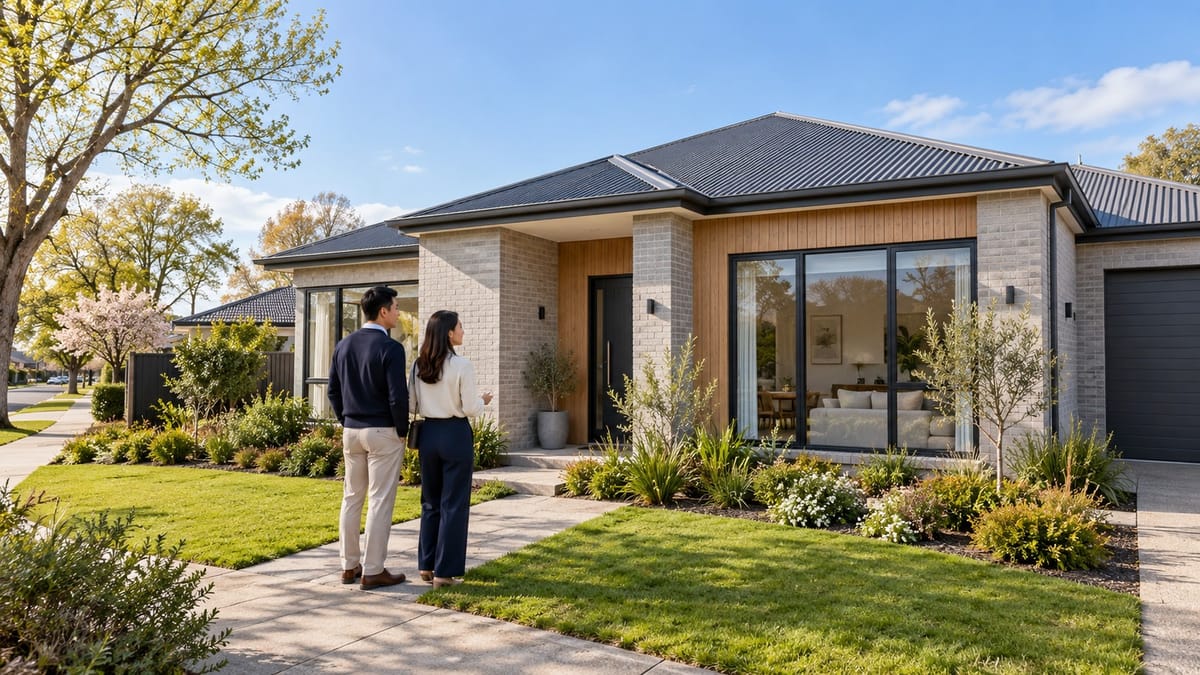
Most foreigners cannot buy an existing home in New Zealand. Singapore citizens are one of the main exceptions, and that makes the country an unusual option for Singaporeans thinking about a home abroad, whether for study, retirement or a future move.
Auckland and Queenstown tend to dominate the conversation. Christchurch, the largest city in the South Island, deserves more attention than it usually gets, partly because it is building new homes faster than almost anywhere else in the country.
New homes there come with choices that buyers in Singapore rarely have to make for themselves, from floor plans to finishes. For those buying a new build or a house-and-land package, decisions about items such as kitchen cabinetry for Christchurch homes are often part of the purchase rather than something already fixed by a developer.
Who can buy
New Zealand restricted most overseas buyers from purchasing existing homes in 2018, when residential land was brought under the Overseas Investment Act. Singapore citizens were carved out because of New Zealand's free trade agreement with Singapore, and they sit alongside New Zealand and Australian citizens in not needing consent to buy a home.

The position is different for Singapore permanent residents who are not citizens. They generally need to be living in New Zealand to buy without consent, and those living overseas must apply to the Overseas Investment Office.
The rules have also changed for some other groups. From 6 March 2026, holders of New Zealand's Active Investor Plus visa can apply for consent to buy one home worth more than NZ$5 million. That change does not affect Singapore citizens, but it shows that the rules are still being adjusted.
The details are set out by Land Information New Zealand's Overseas Investment Office, which administers the Act. Because eligibility depends on citizenship, visa status and where you live, it is worth confirming your position with the Office and a New Zealand property lawyer before committing to a purchase. Even buyers who do not need consent sign a statement at settlement confirming their eligibility, so your lawyer will ask for proof of citizenship.
Why Christchurch
Christchurch was heavily damaged by earthquakes in 2010 and 2011, and much of the decade that followed was spent repairing and replacing homes. The current building activity is different. It is about adding homes to a growing city and its surrounding towns.

Over the 12 months to July 2026, Christchurch City issued building consents for 4,773 new homes, according to Stats NZ, 28 percent more than a year earlier. Across Canterbury, that worked out at 12.5 homes for every 1,000 people, more than in any other part of the country.
For an overseas buyer, that activity matters in two ways. It means a steady supply of new homes to choose from, and it means many of those homes are being built to current standards, which can reduce the maintenance surprises that come with older houses. The city is also flat and fairly compact for its size, which makes it easy to get around by car or bike.
New build or existing home
Singapore citizens can buy either, but the experience is quite different.
An existing home can be inspected, lived in quickly and rented out if needed. It may also need work, and older homes in New Zealand can be colder and harder to heat than buyers from Singapore expect.

A new build takes longer and involves more decisions, but the result is a home built to current insulation and building requirements. House-and-land packages, common in the towns around Christchurch such as Rolleston and Lincoln, combine a section with a builder's plan, and buyers usually choose finishes from a range offered by the builder. Fixed-price contracts with staged payments are common, so check exactly what is included and when each payment falls due.
Managing a build or renovation from Singapore
Buying from overseas adds a layer of planning. Time zones help a little, since Christchurch is four or five hours ahead of Singapore depending on daylight saving. A few practical steps make the process easier:
- Appoint a New Zealand property lawyer early, before signing any agreement.
- Ask for a builder's report on any existing home, and check the council information on the property.
- Agree how decisions will be made while you are away, and who has authority to approve changes on site.
- Get itemised quotes for fit-out work so you can compare like with like from a distance.
- Plan site visits around the stages that need your input most, such as layout and finishes.
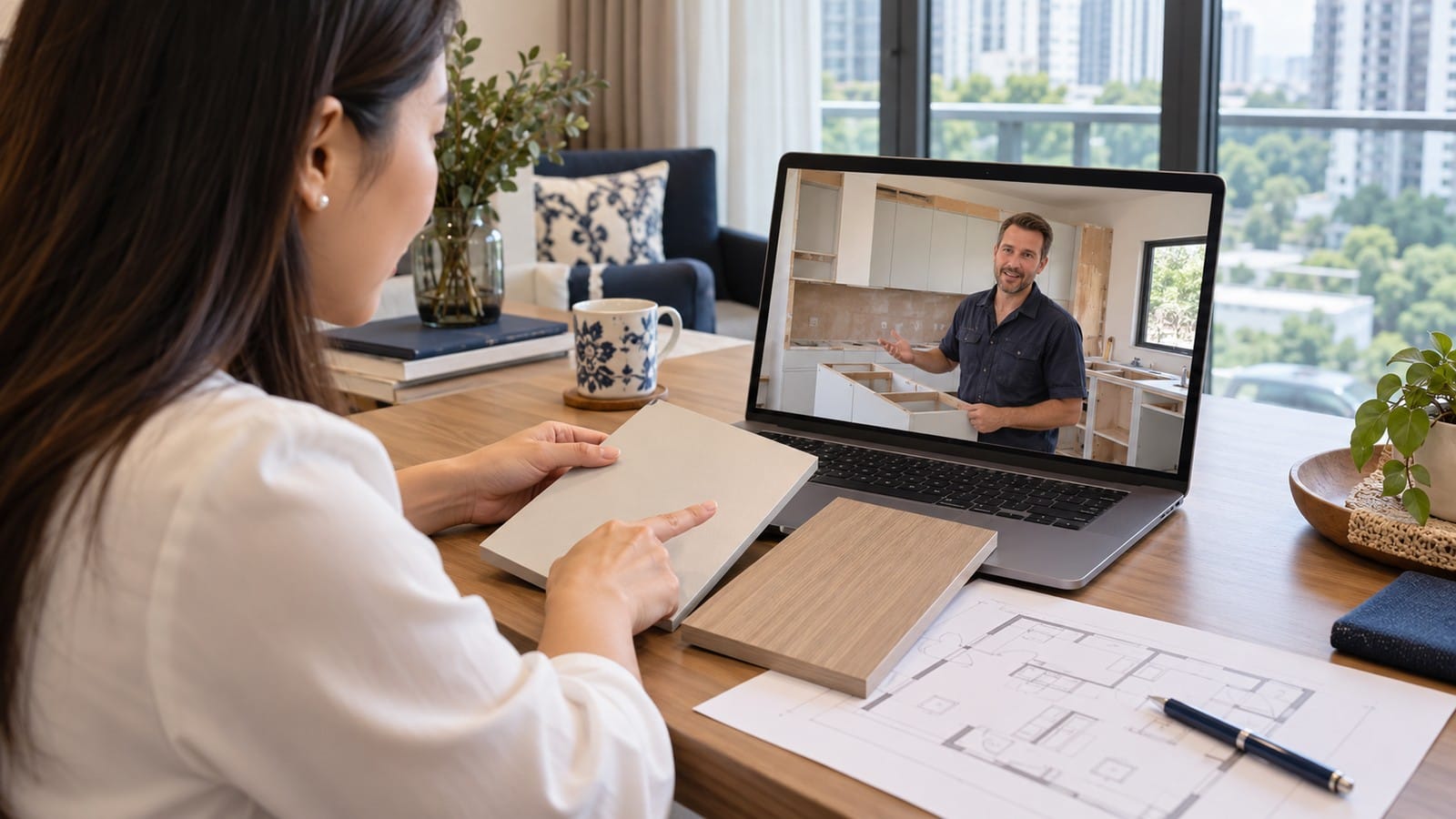
Kitchens are often where remote buyers feel the distance most, because so many decisions need to be made in a short time. Some buyers simplify this by choosing suppliers that deliver assembled cabinetry for a local builder to install, such as Cabjaks, rather than managing a custom joinery job from another country.
Before you commit
Owning property in another country brings tax, insurance and currency considerations that go beyond the purchase itself.
On tax, New Zealand's bright-line test generally treats a gain on residential property sold within two years of purchase as taxable income, and it can apply to overseas owners as well as locals. Independent tax advice in both countries is worth getting before you buy.

Insurance works differently from Singapore. Home insurance in New Zealand includes natural hazard cover from the government's Natural Hazards Commission for the first NZ$300,000 (plus GST) of damage to a home, with the private insurer covering the rest. Given Canterbury's history, it is worth reading that policy wording closely.
There are also ongoing costs to budget for, including council rates, which work like an annual property tax, and maintenance on a home you may not see for months at a time.
Exchange rates matter too, since the cost of a build is usually paid in stages over many months. A buyer who plans for that, and who has a trusted local team in place, is in a much better position to enjoy a home in Christchurch than one who tries to manage everything from Singapore alone.



Comments ()