
Are Earwigs Dangerous or Just Unwelcome Houseguests?
Learn why earwigs enter homes, what attracts them indoors, and whether these intimidating-looking pests pose a real risk to your family.
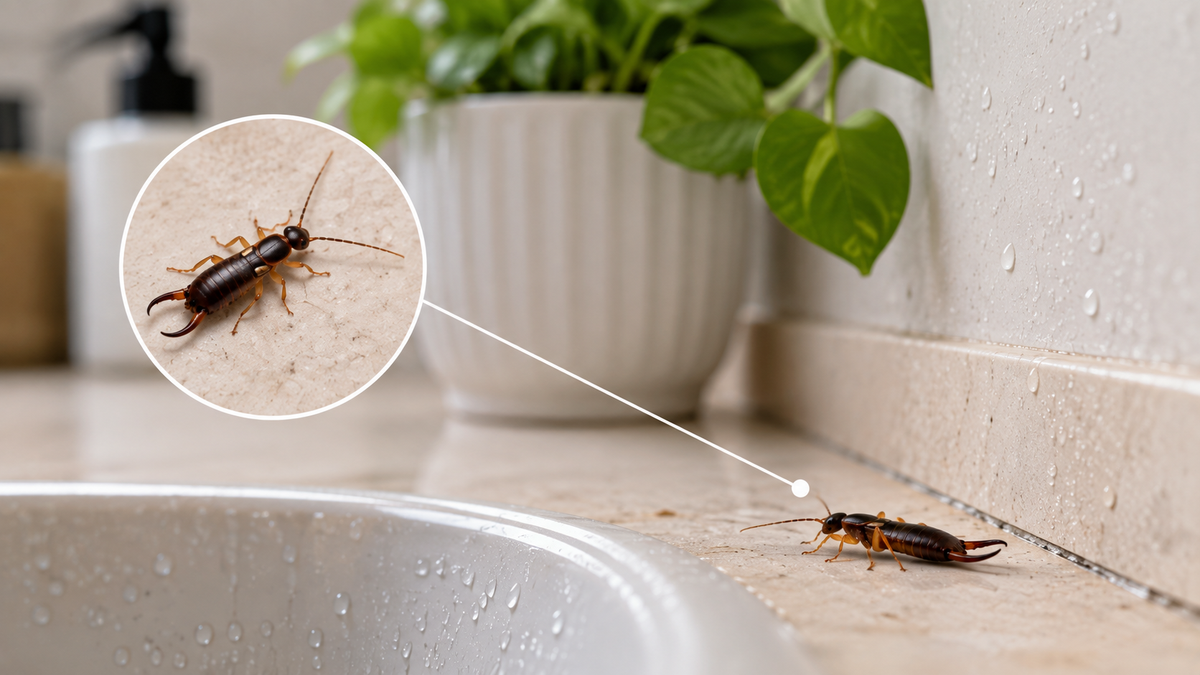
Few insects trigger the same instinctive shudder as an earwig. With its glossy, reddish-brown body and the pair of curved pincers protruding from its rear, this creature looks like it belongs in a horror film rather than under your kitchen sink. Yet despite their intimidating appearance, earwigs are among the most misunderstood pests that homeowners encounter. Understanding what draws them indoors and whether they actually pose a risk can help put those late-night bathroom encounters into proper perspective.
Why Earwigs Wander Indoors in the First Place
Earwigs are fundamentally outdoor insects. They thrive in leaf litter, mulch beds, woodpiles, and the soil around building foundations, where darkness and moisture create ideal living conditions. Problems arise when outdoor conditions shift. A dry spell, a sudden temperature drop, or overwatered landscaping near the home can push earwigs to seek shelter in cracks and gaps that lead indoors. They aren't invading with purpose; they're simply following moisture and darkness wherever it leads them, and sometimes that trail ends inside a house.
Homes often provide exactly the environment earwigs are already seeking outside, just with fewer predators and more consistent humidity. Once inside, they don't reproduce rapidly the way some pests do, but their presence can feel unsettling, especially when several show up at once after a rainstorm.
The Rooms Where Earwigs Tend to Show Up
Certain areas of a home consistently attract more earwig activity than others. Bathrooms rank high on this list because of condensation on tile, damp bath mats, and small gaps around plumbing fixtures. Basements are another common hotspot, particularly those with poor ventilation, minor water seepage, or stored cardboard boxes that trap humidity against concrete floors.
Garages and kitchens also see their share of earwig sightings. Garages often have gaps around doors and windows, along with stacks of damp materials on the floor. Kitchens attract earwigs when there is a leaky pipe under the sink or excess condensation near a dishwasher. In each of these spaces, the underlying pattern is consistent: wherever moisture accumulates and light is minimal, earwigs are more likely to appear. This is part of why so many people search for information on whether are earwigs harmful to humans after spotting one scurrying across a damp bathroom floor at night.
Do Their Pincers Actually Pose a Threat?
The forceps-like pincers, known as cerci, are what generate the most anxiety among homeowners. In truth, these appendages are used primarily for defense against other insects and for capturing small prey outdoors. While an earwig can pinch human skin if handled roughly or trapped against the body, the resulting sensation is typically mild, comparable to a light pinch rather than a genuine injury. There is no scientifically documented case of earwig pincers causing serious harm to a person.
This distinction matters when addressing earwigs harmful to humans as a broader question. Earwigs do not transmit disease, they do not inject venom, and they show no interest in biting people for feeding purposes. Their instinct is to retreat and hide rather than confront a much larger creature. Entomologists who study household insects generally classify earwigs as a nuisance pest rather than a health risk, placing them in a very different category from pests like ticks or biting flies that carry documented medical concerns.
Why Moisture Is the Common Thread Behind Sightings
If there is one factor that explains most indoor earwig activity, it is excess moisture. These insects breathe through spiracles along their body and lose water quickly in dry environments, which makes humid corners of a home especially appealing. Areas with poor airflow, condensation buildup, or standing water essentially replicate the damp soil and decaying plant matter earwigs prefer outdoors.
This is also why seasonal shifts often coincide with increased sightings. Heavy rainfall followed by a warm, humid stretch tends to push earwig populations higher, and homes with unresolved drainage issues become more attractive shelters during these periods. Recognizing moisture as the root cause allows homeowners to address the source of the problem rather than simply reacting to individual insects as they appear.
Practical Steps to Reduce Earwig Activity at Home
Because earwigs are drawn primarily by environmental conditions, prevention tends to be far more effective than reactive measures. A few consistent habits can significantly reduce the likelihood of indoor sightings:
- Run a dehumidifier or exhaust fan in bathrooms and basements to lower ambient humidity
- Improve gutter and downspout drainage so water flows away from the foundation
- Seal small cracks, gaps around pipes, and worn weatherstripping on doors and windows
- Clear damp mulch, leaf piles, and wood debris away from exterior walls
- Store firewood and cardboard boxes off the ground and away from the home's perimeter
These steps target the underlying conditions that attract earwigs in the first place, rather than just addressing the insects after they've already made their way inside. Consistent maintenance, particularly around drainage and ventilation, tends to produce far better long-term results than occasional cleanup after a sighting.
Final Analysis
Earwigs may look unsettling with their pincers and quick, scuttling movements, but the evidence simply doesn't support the idea that they pose any meaningful danger to people. Their presence indoors is almost always tied to environmental conditions, particularly excess moisture, rather than any intent to invade a living space. By understanding where these insects tend to congregate and what draws them inside, homeowners can take practical, low-effort steps to make their homes less inviting. In most cases, a drier, better-sealed home is enough to keep earwig encounters rare and largely uneventful.



Comments ()