
5 Signs Your Lawn Needs Sod and Proper Soil Prep
Discover the hidden signs your lawn needs new sod and how proper soil preparation creates a healthier, longer-lasting lawn.
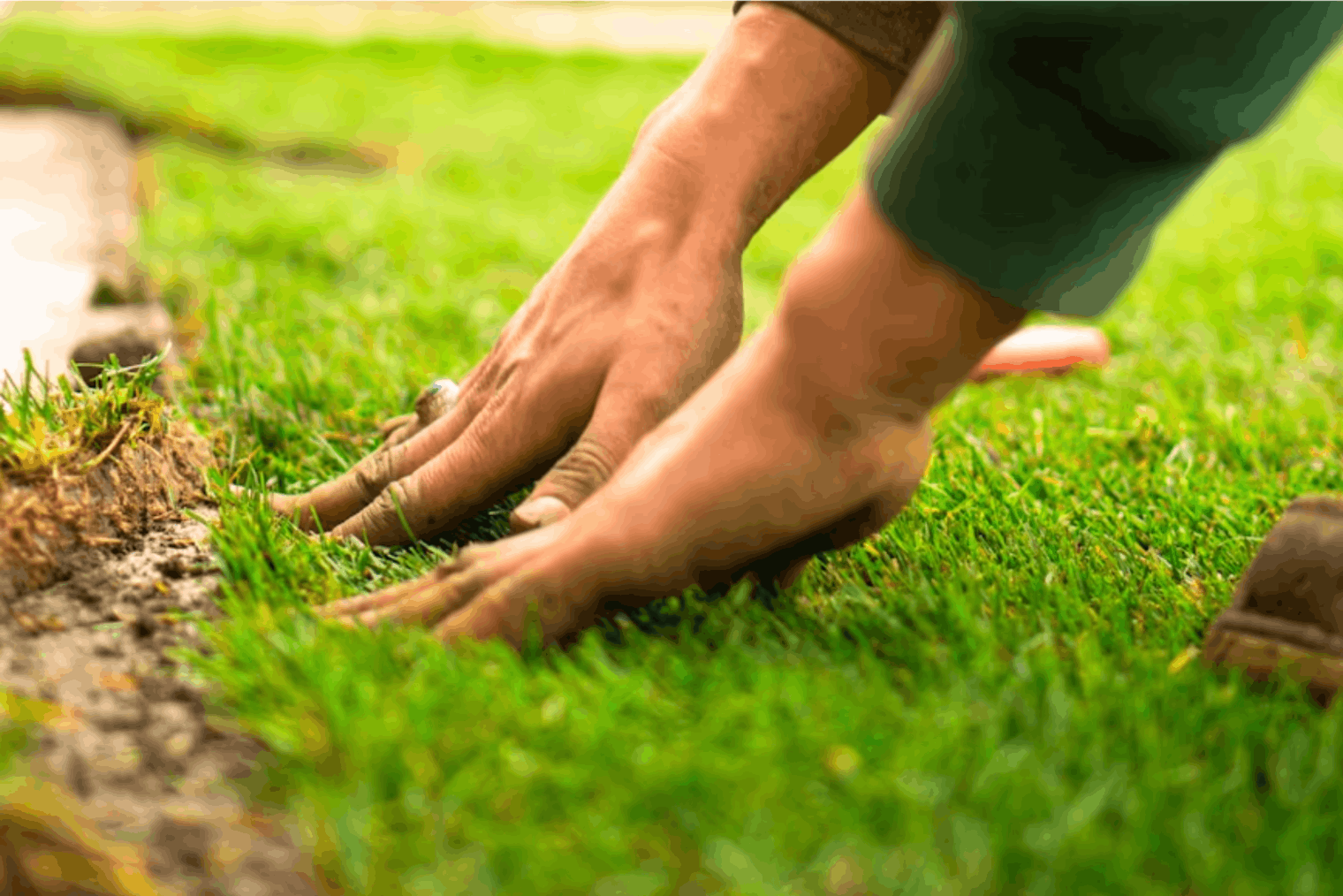
Have you wondered why your lawn keeps getting thinner, patchier, or bumpier no matter how much seed you spread across it each year? Many homeowners are surprised to learn that these stubborn problems usually begin below the surface, where compacted soil, drainage issues, or shallow topsoil quietly prevent healthy growth.
This article breaks down the clearest signs that your turf is signaling trouble beneath your feet. The goal is to help identify when a lawn may be ready for new sod and proper soil preparation, creating a stronger foundation for lasting results.
Standing Water After Normal Rainfall
Lingering puddles are one of the clearest warnings that your yard isn’t draining the way it should. Compacted soil, clay-heavy layers, or poor grading prevent water from moving into the ground, and grass roots suffocate over time. If certain spots stay muddy long after the rest of the lawn dries, it’s usually a sign that deeper correction is needed, not more seed.
Drainage issues often show up in a few predictable ways that you’ll spot during routine walks across the yard. These early clues help you understand whether the soil is struggling beneath the surface.
A Bumpy Yard That Gets Worse Every Season
Uneven lawns can form when soil settles, breaks down, or hides buried debris from construction. These dips and humps usually don’t fix themselves and often get worse year after year. Most homeowners notice the issue while mowing or when certain areas begin to feel soft in some places and hard in others.
Here are a few patterns that usually signal deeper soil issues:
- Dips that keep returning even after being filled
- High and low spots visible from certain angles
- Soft zones right next to compacted patches
When you see these across the yard, the soil likely needs to be reworked before sod will thrive.
Seed That Refuses to Grow
If you’ve tried reseeding multiple times and the new grass never establishes, the soil may be too dense or too depleted for roots to form. A simple screwdriver test can reveal a lot about soil resistance. If the tool barely sinks into the ground, the soil is likely too hard for seed or sod to succeed, which often signals the need for a full renovation rather than surface-level fixes.
At this stage, many homeowners start looking for help with grading, soil rebuilding, and removing worn-out turf. This is where seeking professional sod installation preparation services makes sense, since thorough prep gives new sod a solid foundation instead of setting it up for failure.
Hardpan and Clay Layers Limiting Root Depth
Some lawns look great in early spring but fall apart in summer because the turf never rooted deeply. Hardpan layers or dense clay under thin topsoil can stop roots in their tracks, leaving grass shallow and fragile. When you dig up a small plug and find short, tangled roots sitting on a hard layer, it’s a strong sign the soil needs more depth and structure before new sod goes down.
These underlying layers can also worsen drought stress. The lawn can look weak even when cared for consistently, especially during long stretches of heat or limited rainfall that push shallow roots to their limits.
Grass Thinning Even With Regular Care
If your lawn thins every year despite proper watering, fertilizing, and mowing, the soil may not be supporting healthy growth. Patches that never fill in and areas where soil shows through the turf are signs that compaction or nutrient loss is preventing recovery. Many homeowners notice this when the lawn looks sparse from a distance or when the same trouble spots return each season.
You can check for the most common thinning patterns by observing the lawn from different viewpoints. Look for:
- Areas where soil is visible
- Patches that thin during heat
- Sections that never fully green up
What to Do Once You Spot These Signs
Noticing several of these signs often means your lawn is ready for a fresh start built on solid soil preparation and healthy new sod. Addressing the underlying issues gives your yard the support it needs to stay strong through every season.
Starr Turf can help with reliable soil prep and grading solutions that set the stage for long-lasting results. When the time feels right to rebuild your lawn from the ground up, exploring these options can make the transformation smoother and more successful.

Comments ()