
Why Phoenix Psychiatrists Recommend TMS Therapy Phoenix for Patients Failing Medication
Struggling with depression in Phoenix despite antidepressants? Learn how Transcranial Magnetic Stimulation (TMS) offers relief without daily medication.
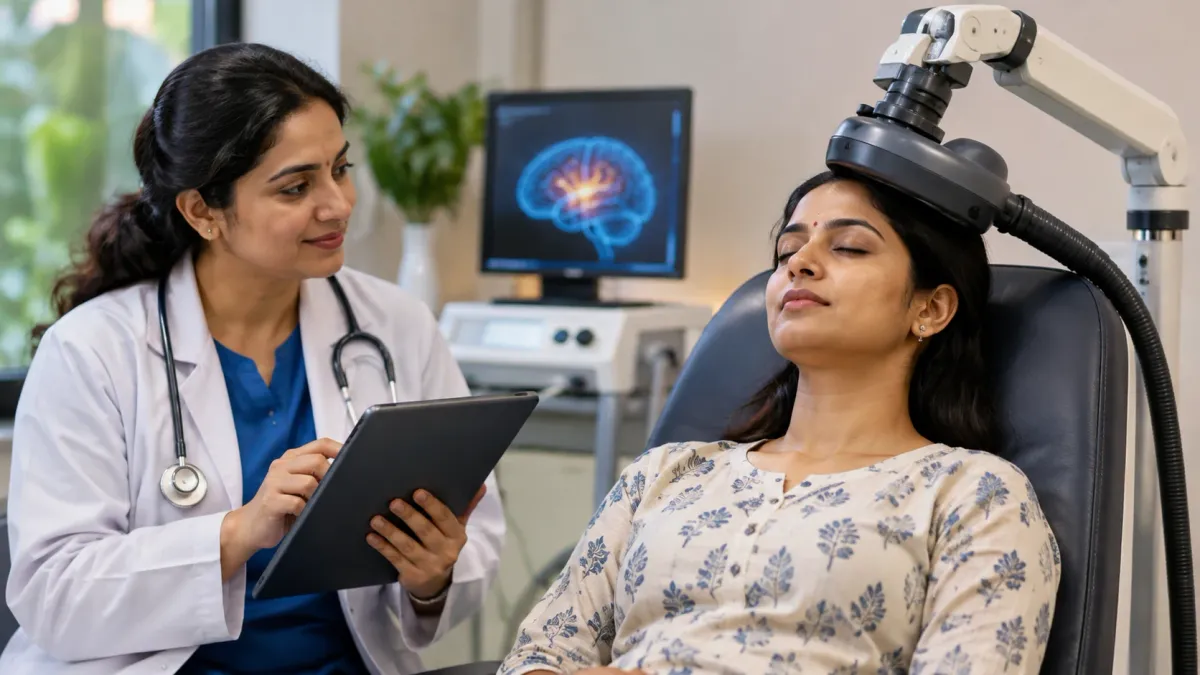
Many people in Phoenix who live with depression try several prescription medications, only to discover that their symptoms do not improve or the side effects become too difficult to manage. This cycle of medication changes and persistent symptoms can leave individuals feeling frustrated, isolated, and uncertain about their next steps.
For those who have not found relief with traditional antidepressants, Phoenix psychiatrists often look beyond standard medications and consider treatment options that do not rely on daily pills. One such option, Transcranial Magnetic Stimulation (TMS), is increasingly recommended for patients whose depression does not respond to medication alone.
Transcranial Magnetic Stimulation Challenges for Medication-Resistant Depression
Medication-resistant depression refers to a condition where symptoms persist despite trying multiple antidepressant drugs at adequate doses. This scenario is common and can make patients feel like they are out of options. Transcranial Magnetic Stimulation, or TMS, targets specific areas of the brain involved in mood regulation by using focused magnetic pulses.
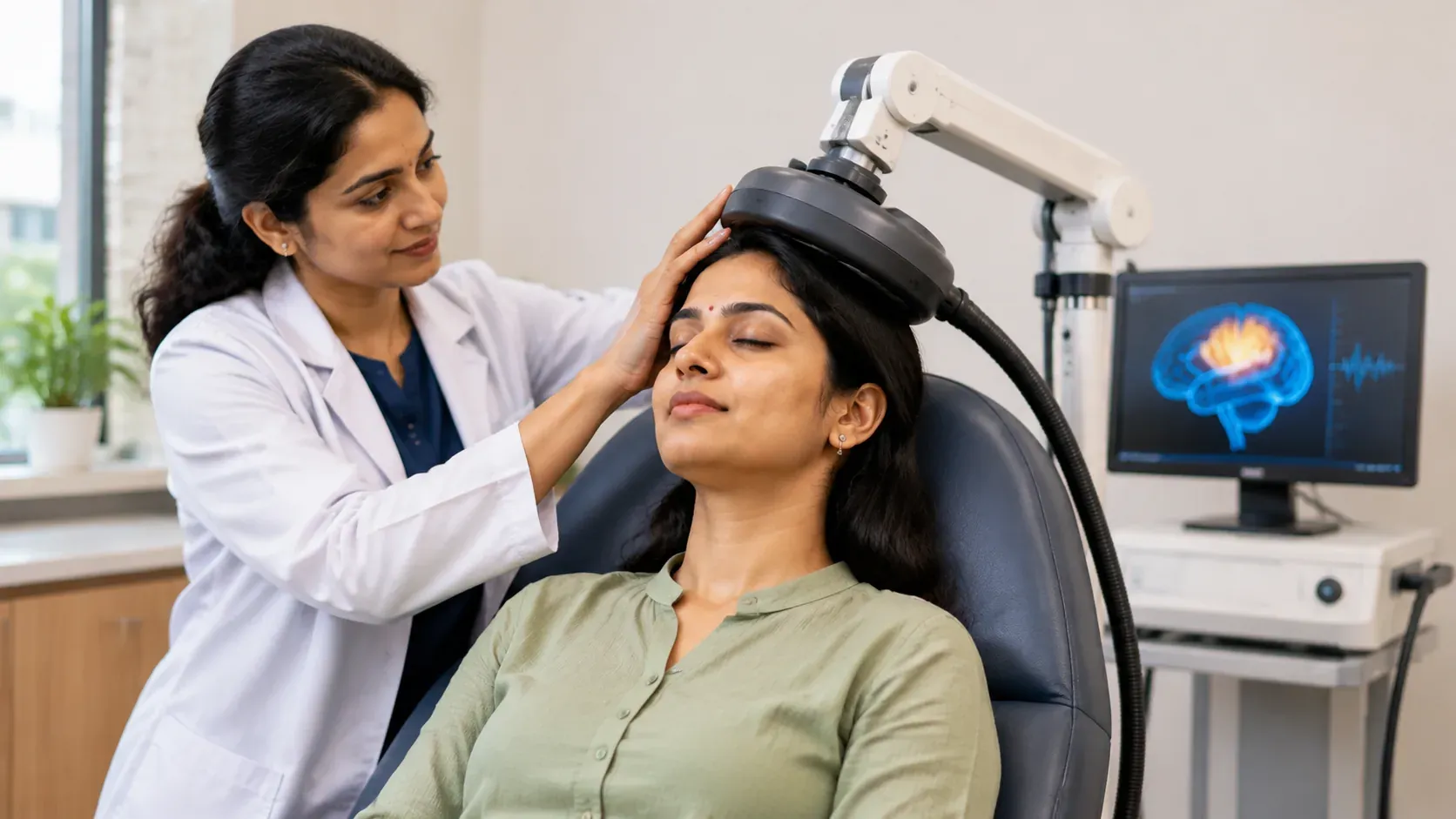
Unlike medication, this approach does not introduce chemicals into the body, so there is no risk of drug interactions or typical side effects like weight gain or drowsiness. However, some patients may be concerned about the time commitment, as TMS therapy requires regular visits to a clinic over several weeks. Exploring the process of TMS for depression helps clarify what to expect and whether this treatment fits a patient’s daily routine.
Phoenix Psychiatrist Perspectives on Non-Invasive Mental Health Treatment
Phoenix psychiatrists increasingly recognize the importance of non-invasive therapies for patients who have not benefited from medication. TMS therapy stands out because it does not require anesthesia or recovery time, allowing people to resume their daily activities right after each session. Psychiatrists in Phoenix often recommend this treatment to patients who have experienced intolerable side effects or only minimal improvement with antidepressants.
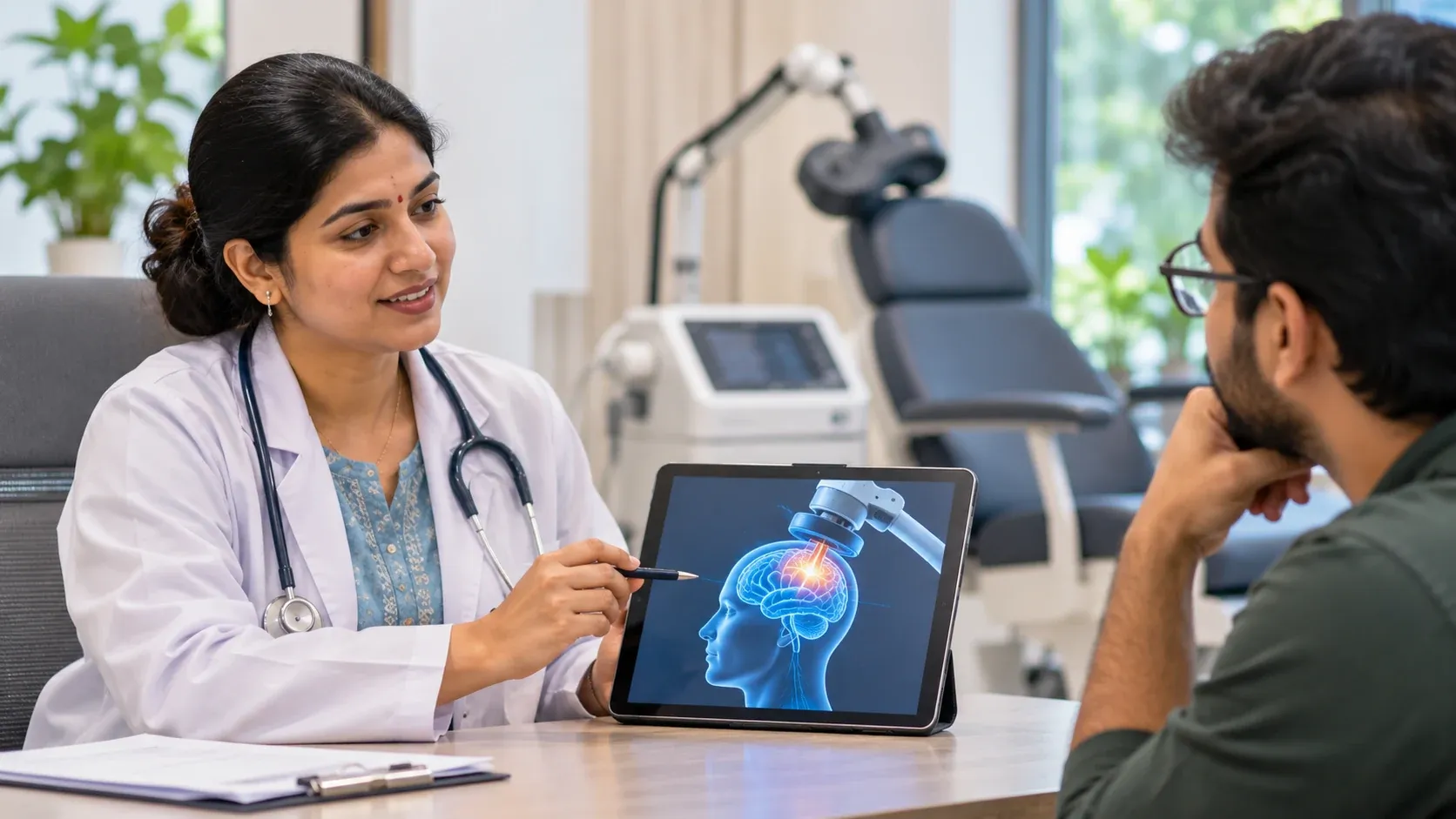
The appeal is grounded in the therapy’s ability to target the brain’s mood centers without surgery or systemic effects. For local patients researching next steps, understanding the safety and side effect profile of TMS supports informed decision-making about trying a new therapy.
Clinical Efficacy of TMS Therapy for Phoenix Patients
After several unsuccessful medication trials, many individuals search for a treatment backed by evidence and approved for use in depression. TMS is cleared by the U.S. Food and Drug Administration for adults who have not responded to at least one antidepressant. Phoenix psychiatrists recommend TMS Therapy Phoenix when they see patients with a documented history of treatment-resistant depression and a desire for new approaches.
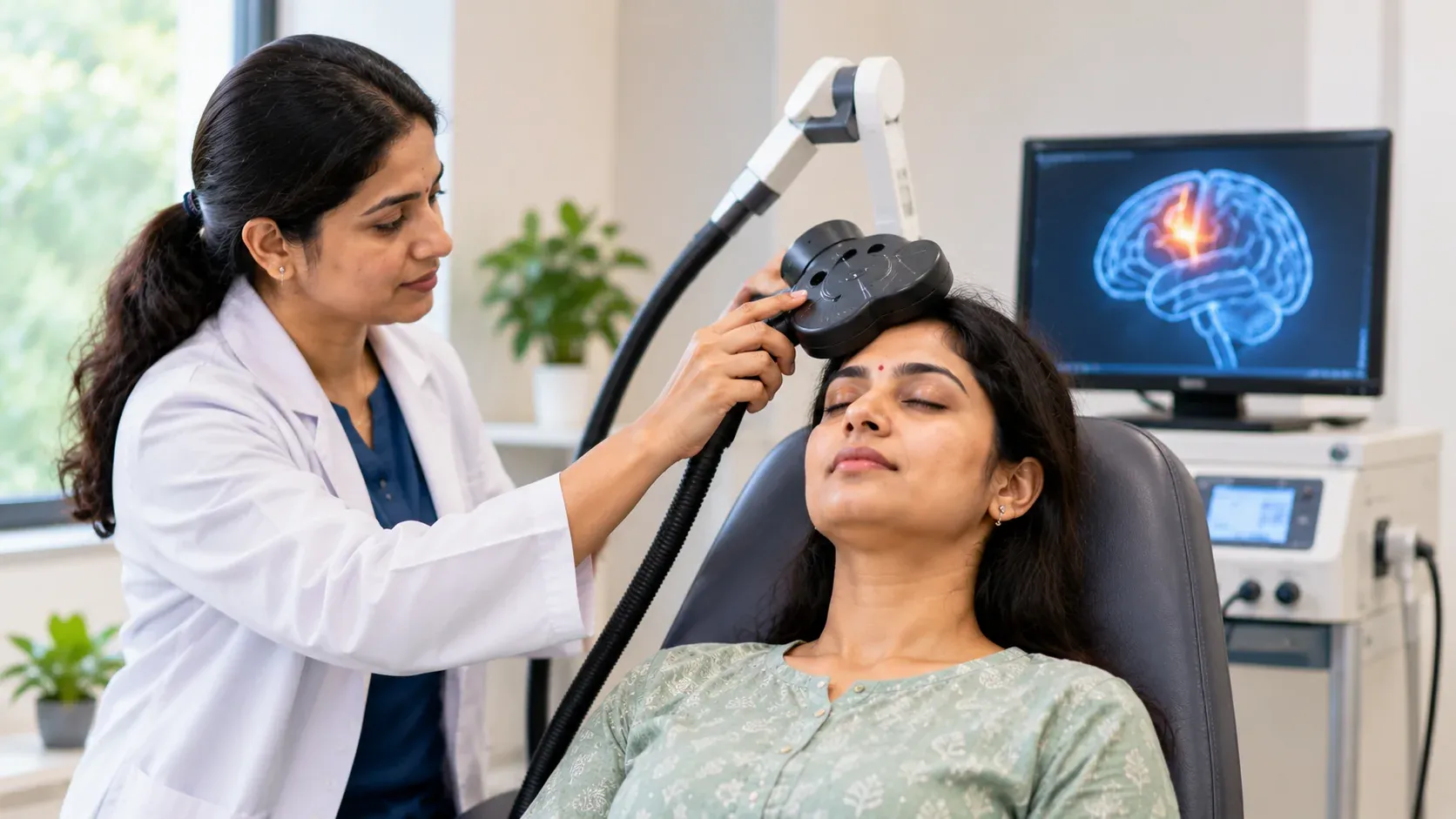
With this therapy, the machine delivers precise magnetic pulses to the prefrontal cortex, a brain region involved in mood. By stimulating this area, some patients experience a reduction in depressive symptoms where medications have failed. Those considering this option can find more about the specific process and expectations through resources like TMS Therapy Phoenix, which outlines how this non-drug therapy is administered in the local area.
Integrating Brain Stimulation into Local Mental Health Care Plans
When a patient in Phoenix has not responded to medication, psychiatrists assess whether integrating TMS into a broader mental health strategy is suitable. This often involves reviewing the patient’s treatment history, current symptoms, and personal preferences. TMS can be combined with talk therapy or other supportive services, creating a customized care plan that addresses both biological and psychological aspects of depression.
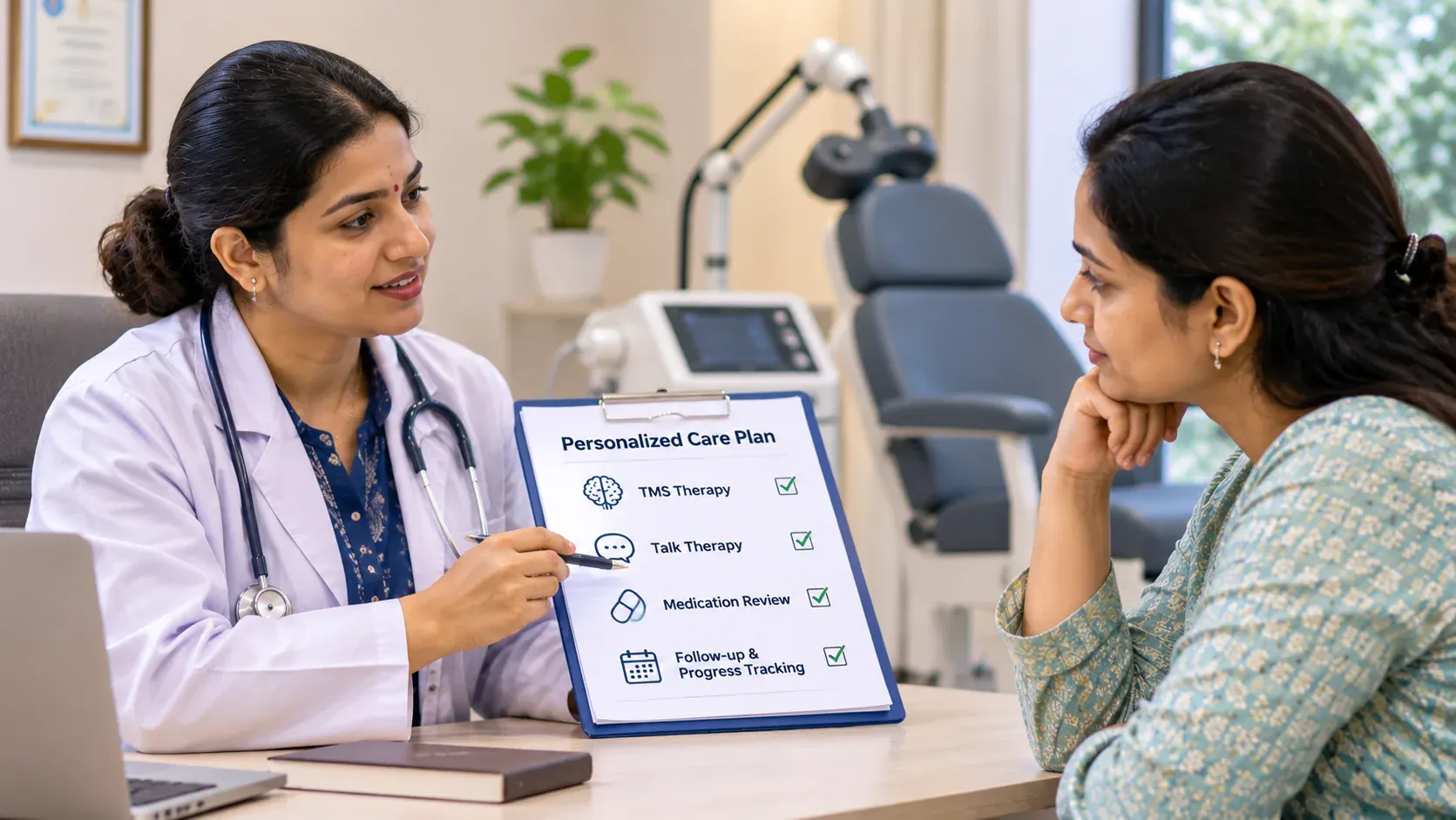
Many psychiatrists also coordinate with primary care providers to ensure all aspects of the patient’s health are considered. Local clinics may offer flexible scheduling to accommodate work and family commitments, making it easier for patients to complete the recommended course of treatment. Open communication between patient and provider is important for tracking progress and adjusting the care plan as needed.
Conclusion
If you or a loved one in Phoenix has not found relief from depression after trying several medications, asking your psychiatrist about non-drug therapies like TMS can be a decisive next step. A thorough discussion with a qualified mental health professional will help determine whether this approach fits your symptoms, medical history, and lifestyle.



Comments ()