
Timber Technology Is Reshaping Modern Construction
Timber is making a strong comeback in modern construction—eco-friendly, carbon-storing, and enhanced by innovations like CLT and Glulam for durable, sustainable builds.
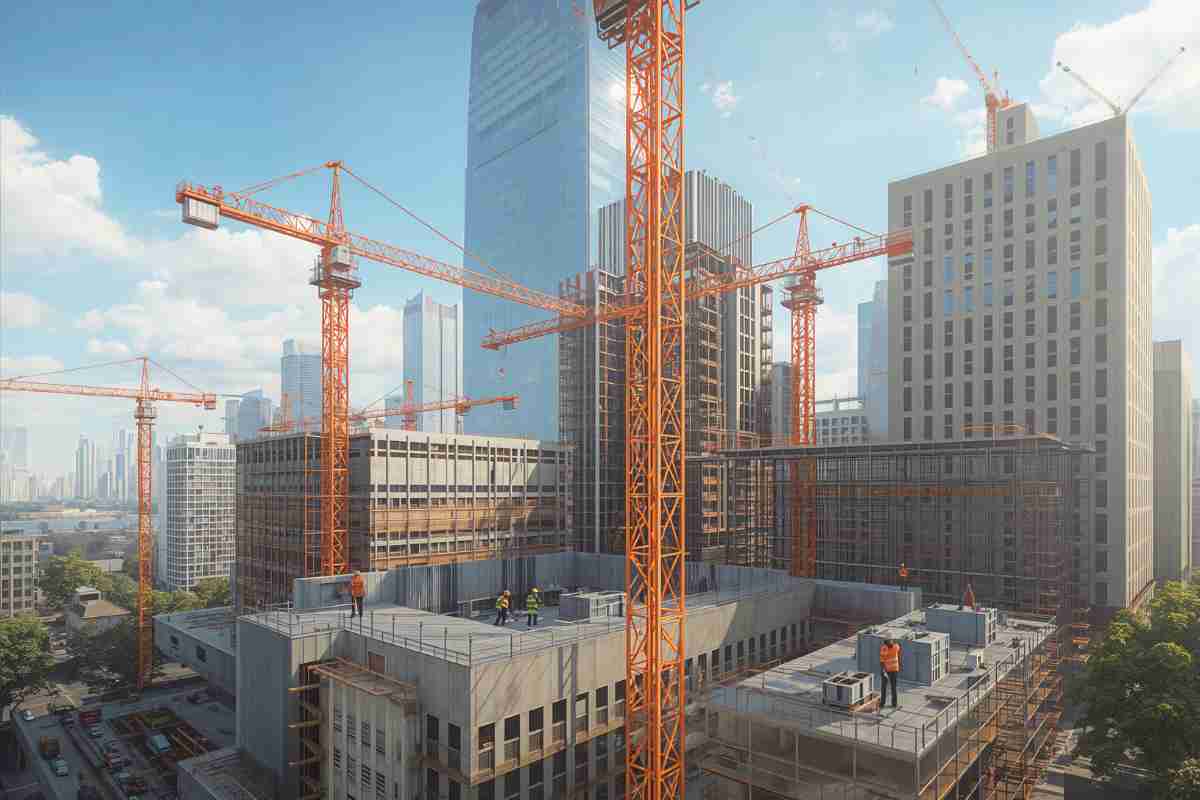
Timber has long been part of our building story, from ancient shelters to grand historic landmarks. People first turned to wood because it was everywhere and easy to work with, making it a trusted choice for centuries.
Recently, timber's popularity has surged again, thanks to cutting-edge technology and a worldwide push for greener living. Since trees naturally absorb carbon dioxide as they grow, wood keeps that carbon locked away, helping to tackle climate change as long as forests are managed sensibly.
Today, techniques like thermal modification and new types of engineered wood—think Cross-Laminated Timber (CLT) and Glued Laminated Timber (Glulam)—mean that wood can do much more than support a cottage roof. Now, architects use timber for bigger, more complicated buildings, combining environmental value with impressive structural ability. The buzz around timber in architecture isn't just nostalgia—it's about progress, combining heritage with the smart solutions we need for a more sustainable future.
Innovations in Timber Technology
Technology has truly shaken up the timber industry, bringing forward exciting new materials like Cross-Laminated Timber (CLT) and Glued Laminated Timber (Glulam). Instead of traditional planks, these products offer strength and adaptability that architects could only dream of a few decades ago.
CLT is made by stacking layers of wood so they cross over each other, giving it impressive stiffness and letting it hold up walls, floors, and roofs with surprising ease. In contrast, Glulam lines up wood fibres in the same direction, making it perfect for hefty beams and towering columns—suddenly, building longer spans and ambitious shapes with wood is far more within reach.
But it's not just about what you build; it's also about how long it lasts. Thanks to modern treatments, timber’s reliability has moved up a gear. Heating wood during thermal modification chases out excess moisture, making the timber less likely to twist, swell, or crack as the seasons change, while still keeping that natural wood look. Pressure treatment gives timber extra superpowers as well, soaking it in preservatives or fire retardants that fend off bugs, fungi, and fires.
These advances aren’t just technical achievements—they’re why timber now shines in projects big or small, indoors or out. Flexible, lasting, and much greener than many alternatives, timber is proving itself as one of the go-to materials for modern construction.
Mass Timber: Changing the Building Landscape
Mass timber might sound like a phrase cooked up for trade shows, but it simply means wood products made by joining smaller pieces together. Unlike steel and concrete, it’s a material that grows out of the ground, still manages to challenge them on strength, and is changing how we approach big building projects in the 21st century.
You’ll find a few different types: Cross-Laminated Timber (CLT), Glued Laminated Timber (Glulam), and Nail-Laminated Timber (NLT). CLT is the genuine all-rounder, working well for walls, roofs, and floors. Because its layers are crossed at right angles, it’s much stiffer and tougher than you’d expect from something made of wood.
What makes mass timber so interesting aren’t just its good looks. For a start, it’s much lighter than concrete and steel, making transportation less of a faff and reducing the amount of groundwork needed. Since it’s made from wood, it can lock away carbon, giving it clear sustainability points—especially compared to the hefty carbon emissions that come with making concrete and steel.
Mass timber is also great for off-site construction. Its parts can be made to order elsewhere and quickly pieced together on location, cutting both construction time and mess. Less noise and less disruption mean happier neighbours. Plus, accurate factory production leads to fewer offcuts, less waste, and a smoother building process.
Thanks to its strengths and the speed at which it can be assembled, mass timber is catching on for ambitious, large-scale projects. Developers and architects now build with timber in ways that would have seemed unrealistic just a decade ago, all while ticking the boxes for sustainability and modern design.
Sustainability and Environmental Impact
Timber is a real asset when it comes to fighting climate change, simply because trees soak up carbon dioxide as they grow and store it throughout their lives. When that timber is turned into a building, the carbon stays safely locked inside for decades, if not centuries.
Mass timber—engineered wood made from smaller pieces bonded together—deserves a special mention. It keeps carbon trapped while going toe-to-toe with the strength of steel and concrete. Producing timber also takes much less energy than making those traditional materials, which means fewer greenhouse gases are pumped out in the process.
But it’s not all plain sailing. Sustainable forest management is essential if mass timber is going to live up to its green reputation. Wood for construction needs to be sourced responsibly. The Forest Stewardship Council (FSC) sets a high bar for certification, although some experts think the system still has room to improve, especially with the climate in mind. There are also worries about demand outstripping supply and the risk of large-scale, single-species plantations, which can threaten wildlife and reduce biodiversity.
Looking at the long-term picture, there’s another problem: what happens to mass timber buildings at the end of their lives? Wood can last for generations, but eventually, all that stored carbon could find its way back into the atmosphere if demolished wood is simply left to rot. Finding better reuse or storage options for old timber is vital if we want to keep its carbon benefits in place. How we handle this will shape just how much mass timber can help deliver on promises of sustainability.
Structural Performance and Safety
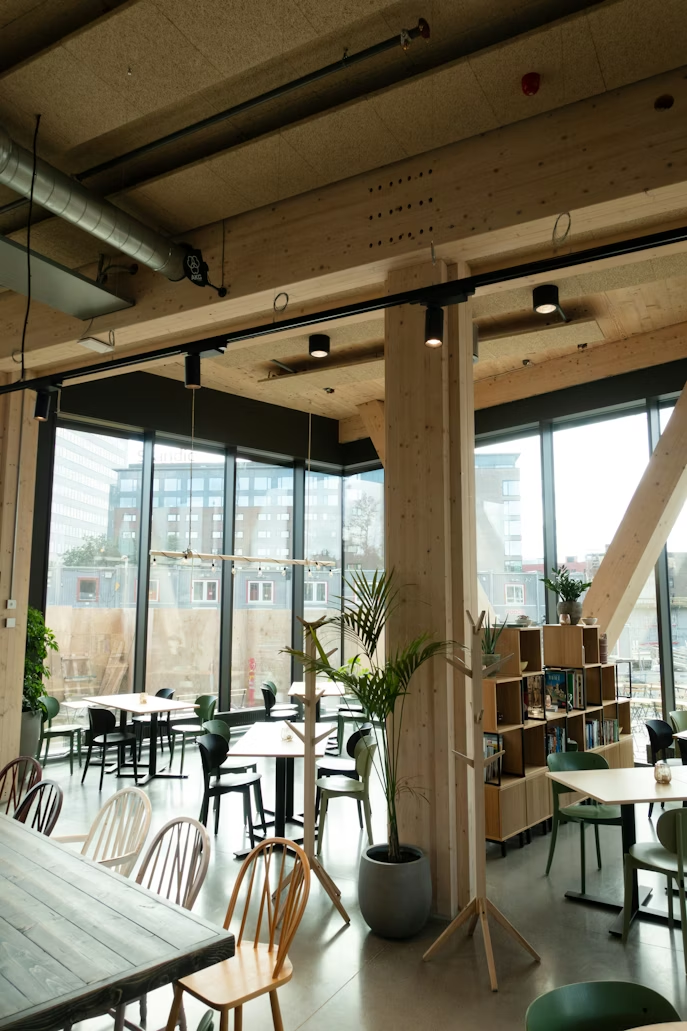
Mass timber really holds its own against classic building materials like steel and concrete. With types such as Cross-Laminated Timber (CLT) and Glued Laminated Timber (Glulam), it combines impressive strength with a bit of architectural flair. CLT stacks layers of wood at right angles, making it surprisingly stiff and strong—ideal for walls, floors, and roofs. Glulam lines up its fibres, so it’s brilliant for beams and columns that need to go the distance or bend into unusual shapes. These innovations show just how far timber engineering has come.
There’s another side to mass timber that often surprises people: its performance in fires. Unlike standard timber frames, big pieces of CLT tend to char on the surface when exposed to heat, creating a shield that helps keep the structure standing far longer than many expect. One test saw a 7-inch-thick CLT wall stay structurally sound for more than three hours, comfortably beating the fire safety codes.
Sound insulation is another quiet victory for mass timber. The density and layered makeup of CLT panels do a solid job at blocking noise—good news if you don’t want to hear every footstep above you in a block of flats.
While steel and concrete are still heavyweights for strength, mass timber offers a competitive edge with its lighter weight and sustainability perks. This can speed up construction and make building sites less disruptive. Add in prefabrication from the factory, and you have quicker turnarounds and simpler builds, even in tricky locations.
All in all, mass timber has gone from being just an alternative to often the first pick for those who value structural quality and a smoother building process.
Future Trends and Applications
Timber construction is taking some interesting new turns, especially as the industry starts to bring in sustainable alternatives like bamboo. While bamboo is officially a grass, it’s a bit of a superhero in the green building game—it grows at lightning speed and soaks up carbon, which makes it an appealing partner for mass timber. Still, it has its quirks. Bamboo’s hollow and stringy build means it’s trickier to process and shape than your average plank.
On the bright side, fresh developments in how we cut and work with timber are making a real difference. Smarter milling now means wood products can be shaped with much more accuracy, letting architects play with forms that simply weren’t possible before. This flexibility is encouraging bolder, more creative buildings and opens the door for even more innovative uses of timber in contemporary home design.
City skylines are where these changes are most visible. Mass timber—especially products like CLT and Glulam—is cropping up in high-rises where steel and concrete once ruled. These wood-based materials are lighter, which eases pressure on the foundations and speeds up building thanks to prefabricated elements. Less weight, less hassle, and far quicker to put together.
Mass timber’s lighter build makes it appealing for updating existing city structures too. Given its modular nature, it’s far easier to add to or renovate older buildings, allowing cities to upgrade without shutting everything down for ages. As advances in processing and construction keep coming, mass timber is shaping up to be a stronger presence in our future city landscapes—bringing greener, smarter skylines within reach.
Implications for the Future of Construction
Timber is fast becoming the backbone of modern architectural progress, thanks to clever advances in wood technology. With better tools and techniques, architects and engineers now shape timber into bold new forms, pushing the boundaries of what buildings can look like and how they perform.
Take Cross-Laminated Timber (CLT) and Glued Laminated Timber (Glulam) as examples. These aren’t just your average planks; they’re carefully put together in ways that give buildings both stunning looks and serious strength. It’s letting designers dream big while also keeping environmental aims front and centre.
It’s clear that the story doesn’t stop here. Keeping the momentum going means dedicating resources to research and trying out new methods. Continued effort in developing sustainable construction materials is likely to bring even better performance and eco-friendly solutions. Already, materials like CLT are helping to shrink the industry’s carbon footprint, and there’s still plenty of room for fresh ideas.
Encouraging a spirit of invention is vital if timber is to fulfil its promise in greener cities. Success relies on architects, manufacturers, and government bodies working together, smoothing the way for these innovations to become the new normal. In short, the construction sector has a real chance to both transform city life and respond to the climate challenge—with timber tech leading the charge.



Comments ()