The Property Problems That Don't Show Up During Open Homes
Open homes showcase what buyers can see—but costly defects often stay hidden. Learn the risks that inspections may reveal before you buy.

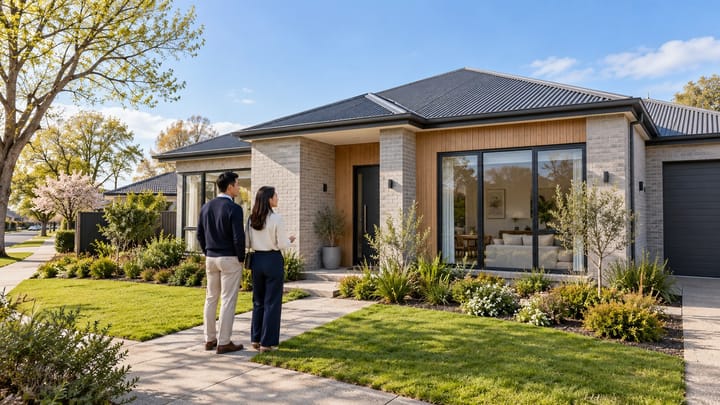
Open homes are designed to answer one question:
"Can I see myself living here?"
The lighting is on. The furniture is carefully arranged. Windows are open to create airflow. Fresh paint brightens rooms. Landscaping is tidy. Every effort is made to present the property in its best possible light.
There is nothing inherently wrong with this. Sellers have every right to showcase their property well.
The challenge for buyers is that open homes are remarkably effective at highlighting what is visible while simultaneously concealing what is not.
Most major property defects do not announce themselves during a fifteen-minute inspection.
They exist beneath floors, inside walls, behind ceilings, beneath roof coverings, around drainage systems, and within structural elements that buyers never see.
This creates one of the most important realities in residential property.
The biggest financial risks are often the least visible ones.
For buyers, understanding what doesn't show up during an open home can be just as important as understanding what does.
Why Open Homes Are Built Around First Impressions
The modern property market places enormous emphasis on presentation.
Buyers make rapid assessments when entering a home. Within minutes they often begin forming opinions about value, desirability, and suitability.
Real estate professionals understand this well.
As a result, significant effort is invested in presentation.
The property may be styled.
Minor cosmetic issues may be repaired.
Rooms are arranged to maximise space.
Natural light is highlighted.
This creates a powerful emotional experience.
However, first impressions are not necessarily indicators of long-term building performance.
A property can present exceptionally well while concealing issues that may require substantial future expenditure.
The operational tension is simple.
Presentation influences perception.
Condition determines ownership cost.
The two are related, but they are not the same thing.
Moisture Problems Often Remain Hidden
Few building issues create more long-term damage than moisture.
Water affects multiple building systems simultaneously.
It contributes to timber decay, mould growth, structural deterioration, corrosion, insulation damage, and pest attraction.
Yet moisture problems are frequently difficult to detect during an open home.
Why?
Because the visible symptoms often appear long after the underlying problem has developed.
A recently painted wall may conceal historical staining.
Freshly renovated finishes may hide previous water damage.
Even significant moisture problems can remain largely invisible until more serious symptoms emerge.
Experienced inspectors often view moisture as a root cause rather than a standalone defect.
The visible issue is rarely the entire story.
Roof Defects Rarely Reveal Themselves from Ground Level
Most buyers spend considerable time evaluating kitchens, bathrooms, and living areas.
Very few spend much time assessing the roof.
This is understandable.
Roofs are difficult to inspect without specialised access and experience.
Yet roofing issues remain one of the most common sources of future repair costs.
Potential problems include:
- Damaged flashing
- Deteriorated ridge capping
- Broken tiles
- Rusted roofing materials
- Inadequate drainage
- Historical leak repairs
These issues often remain invisible during open homes because buyers simply cannot access the areas where problems exist.
The result is that some of the most expensive defects receive the least attention.
Subfloors Tell Stories Buyers Never Hear
One of the most overlooked areas of residential properties sits beneath them.
Subfloors can reveal important information about a building's health.
Inspectors frequently identify:
- Moisture accumulation
- Inadequate ventilation
- Timber decay
- Pest activity
- Drainage issues
- Structural movement
Most buyers never see these conditions.
The reason is straightforward.
Subfloors are not designed to impress prospective purchasers.
They are designed to support the building.
Ironically, some of the most valuable information about a property's condition is often found in spaces buyers never enter.
Drainage Problems Become Visible Too Late
Drainage is one of the least glamorous topics in residential property.
It is also one of the most important.
Poor drainage affects:
- Foundations
- Retaining walls
- Landscaping
- Moisture management
- Structural stability
The difficulty is that drainage performance is highly dependent on weather conditions.
A property may appear completely normal during an open home held on a sunny Saturday morning.
That same property may experience significant water management problems during periods of heavy rainfall.
This creates a common challenge for buyers.
The conditions under which they inspect the property may bear little resemblance to the conditions under which problems emerge.
The Renovation Illusion
Renovations often improve properties significantly.
However, they can also create a false sense of security.
New kitchens, fresh paint, modern bathrooms, and upgraded flooring naturally attract attention.
What they do not necessarily reveal is the condition of the underlying building systems.
One of the more interesting contradictions within property purchasing is that renovations often increase buyer confidence while simultaneously making certain defects harder to identify.
New finishes can obscure:
- Previous water damage
- Structural repairs
- Cracking
- Moisture issues
- Surface imperfections
This does not mean renovations should be viewed negatively.
It simply means appearance should not be confused with condition.
Termite Activity Is Designed to Stay Hidden
Unlike many building issues, termites actively avoid detection.
Their behaviour allows colonies to remain hidden while causing extensive damage.
By the time visible evidence appears, significant deterioration may already exist.
Common activity can occur:
- Inside wall cavities
- Beneath flooring
- Within roof structures
- Around concealed timber elements
The challenge for buyers is that termite damage rarely forms part of the open-home experience.
No amount of property styling reveals what is occurring inside concealed structural components.
This is one reason a professional building and pest inspection is often viewed as an important step in the due diligence process.
The objective is not simply to identify existing damage.
It is to understand risks that may otherwise remain invisible.
The Psychology of Property Viewing
One of the most interesting aspects of open homes is how effectively they influence attention.
Buyers tend to focus on features that support emotional decision-making.
They imagine furniture layouts.
They assess natural light.
They picture future lifestyles.
This is perfectly natural.
However, it can create a blind spot.
Attention becomes concentrated on visible benefits while invisible risks receive less consideration.
A useful observation from property professionals is this:
"Buyers often inspect a property for lifestyle while inspectors assess it for performance."
Both perspectives matter.
Problems arise when only one receives attention.
The Difference Between Visible Quality and Operational Quality
Not all quality is immediately visible.
Visible quality includes:
- Presentation
- Finishes
- Styling
- Renovations
- Aesthetic improvements
Operational quality includes:
- Structural integrity
- Moisture management
- Drainage performance
- Roof condition
- Ventilation
- Building systems
One creates immediate appeal.
The other determines long-term ownership experience.
Sophisticated buyers recognise the distinction.
They understand that operational quality often has a greater impact on future costs than visible quality.
Final Thoughts
Open homes serve an important purpose. They help buyers assess whether a property suits their lifestyle, preferences, and long-term goals.
However, they also create an environment where presentation naturally receives more attention than performance.
Many of the most significant property risks remain hidden during inspections because they exist within areas buyers cannot easily access or evaluate.
Moisture issues, drainage problems, roofing defects, termite activity, structural movement, and subfloor conditions rarely become obvious during a standard open home.
A professional building and pest inspection helps bridge this gap by providing insight into the aspects of a property that presentation cannot reveal.
In property, what buyers can see often influences what they want. What they cannot see often determines what ownership will ultimately cost. The most informed purchasing decisions occur when both realities are understood before contracts are signed.


Comments ()