
How to Store Furniture Safely While Moving House or Renovating
Keep your furniture safe during moves and renovations with smart prep and storage techniques to prevent dust, dampness, and costly damage.
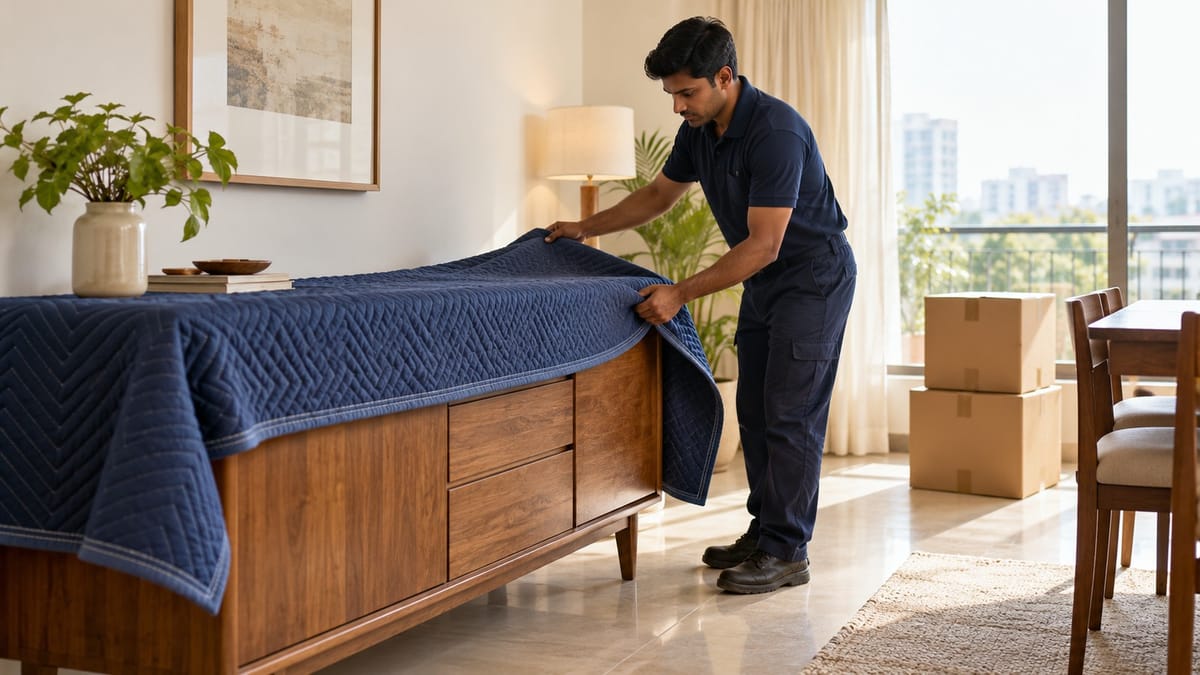
Moving house and renovating have one thing in common: for a while, your furniture has nowhere to go. Maybe settlement dates do not line up, or the builders need every room cleared before the floors go down. Either way, your couch, dining table and beds need a safe place to wait.
Storing furniture well takes a little more thought than throwing it in a garage and hoping for the best. Dust, damp, scratches and poor stacking can all cause damage that is costly to fix. With some preparation, though, your furniture can come out of storage looking exactly as it did going in.
Why Temporary Storage Makes Sense
It can be tempting to keep everything at home during a renovation and simply shuffle it from room to room. In practice, this often leads to more damage, not less. Building work creates fine dust that settles into upholstery and timber grain, and furniture left in work zones is easily bumped by tradespeople, ladders and tools. Clearing the house completely also lets builders work faster, which can save you money on labour.
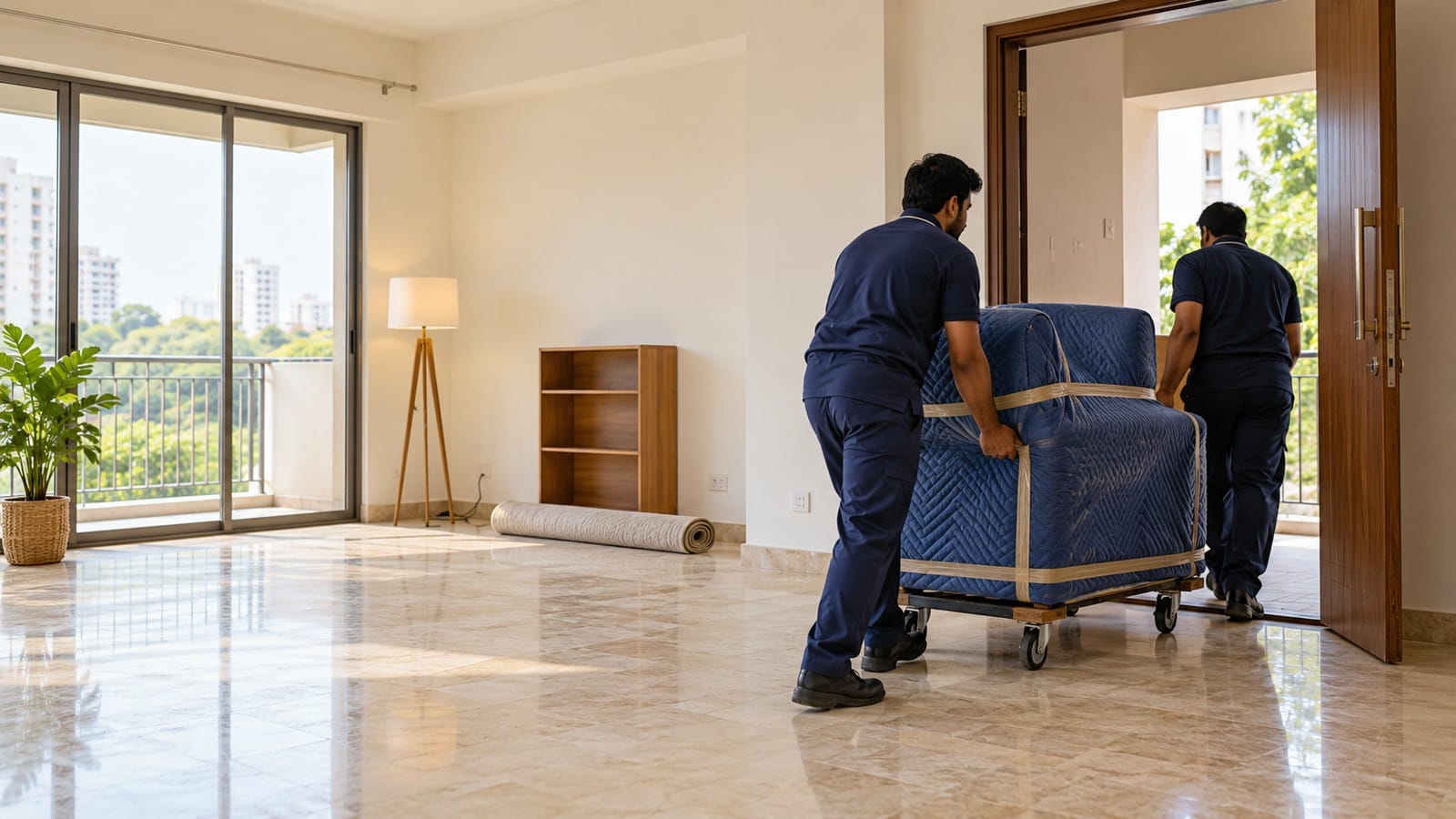
When moving house, storage bridges the gap between selling and buying. Rather than rushing into a new home or squeezing into a short-term rental crammed with boxes, you can take your time and move in properly once everything is ready.
Prepare Your Furniture Before It Goes Into Storage
Good storage starts with good preparation. Clean every piece before you pack it. Vacuum couches and armchairs, wipe down timber with a suitable cleaner and make sure everything is completely dry. Trapped dirt and moisture are the main causes of stains, odours and mould over time.
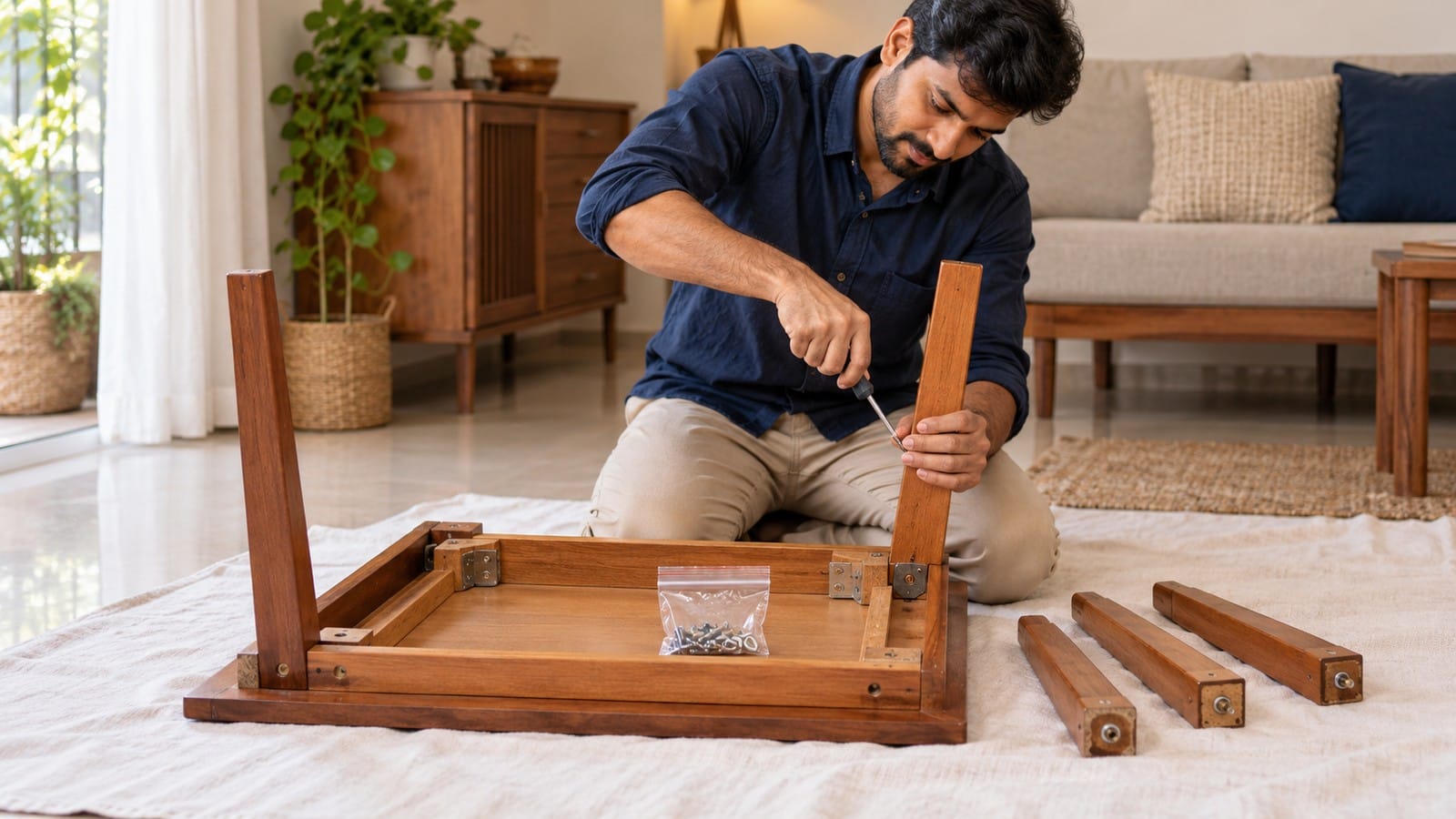
Where you can, take larger items apart. Remove table legs, bed frames and shelves, and keep the screws and bolts in labelled zip-lock bags taped to the matching piece. Disassembled furniture is easier to move, takes up less space and is far less likely to be damaged in transit.
Wrap and Protect Each Piece
The right materials make a big difference. Here are some simple ways to protect your furniture:
- Use furniture blankets or old cotton sheets to cover timber and upholstered items.
- Wrap glass tabletops and mirrors in bubble wrap and store them upright, never flat.
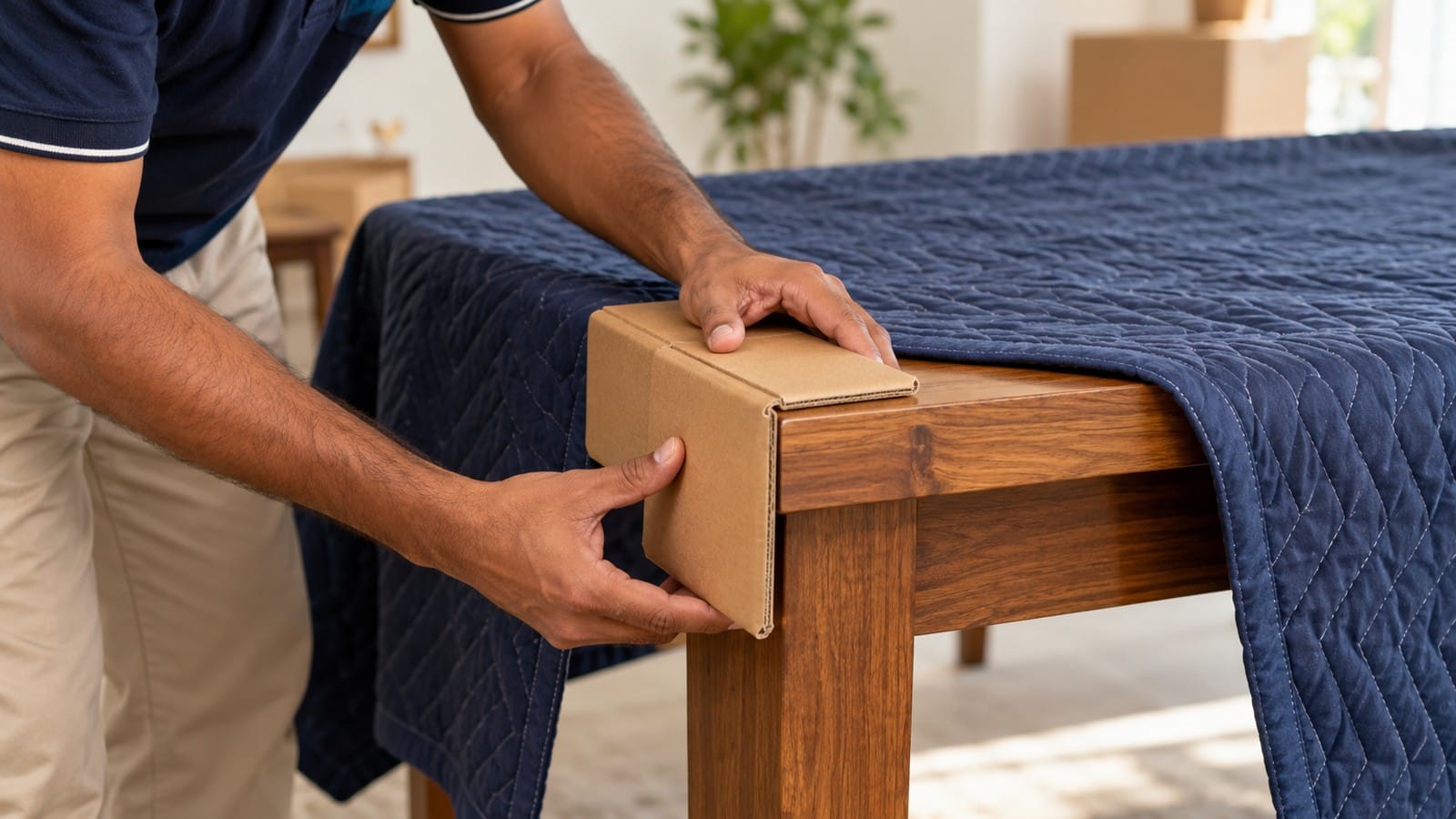
- Place cardboard corner protectors on tables, cabinets and bed frames.
- Avoid wrapping upholstery tightly in plastic, as it can trap moisture against the fabric.
- Store mattresses in breathable mattress bags and keep them flat or on their side.
- Fill drawers with light items like linen to make the most of the space.
Taking an extra hour to wrap things properly is far cheaper than repairing a chipped table or replacing a stained sofa.
Choose the Right Storage Space
Where you store your furniture matters as much as how you pack it. Look for a facility that is secure, well maintained and weather resistant, with access hours that suit your schedule. During a renovation especially, you may need to grab something unexpectedly, so easy access is a real advantage.

For Auckland households, Safestore offers convenient storage units in Onehunga with drive-up access, CCTV, secure gate entry and access seven days a week. Units range from small spaces suited to a one-bedroom apartment up to large units that can hold the contents of a three or four bedroom home, so you only pay for the space you actually need. Flexible terms also mean you are not locked into a long contract if your renovation finishes early or your settlement date moves.
Load Your Unit the Smart Way
How you arrange furniture inside the unit affects both its condition and how easy it is to access. Put the heaviest, sturdiest items such as wardrobes, dressers and appliances at the back first. Place lighter and more fragile pieces towards the front and on top of strong surfaces, never the other way around.
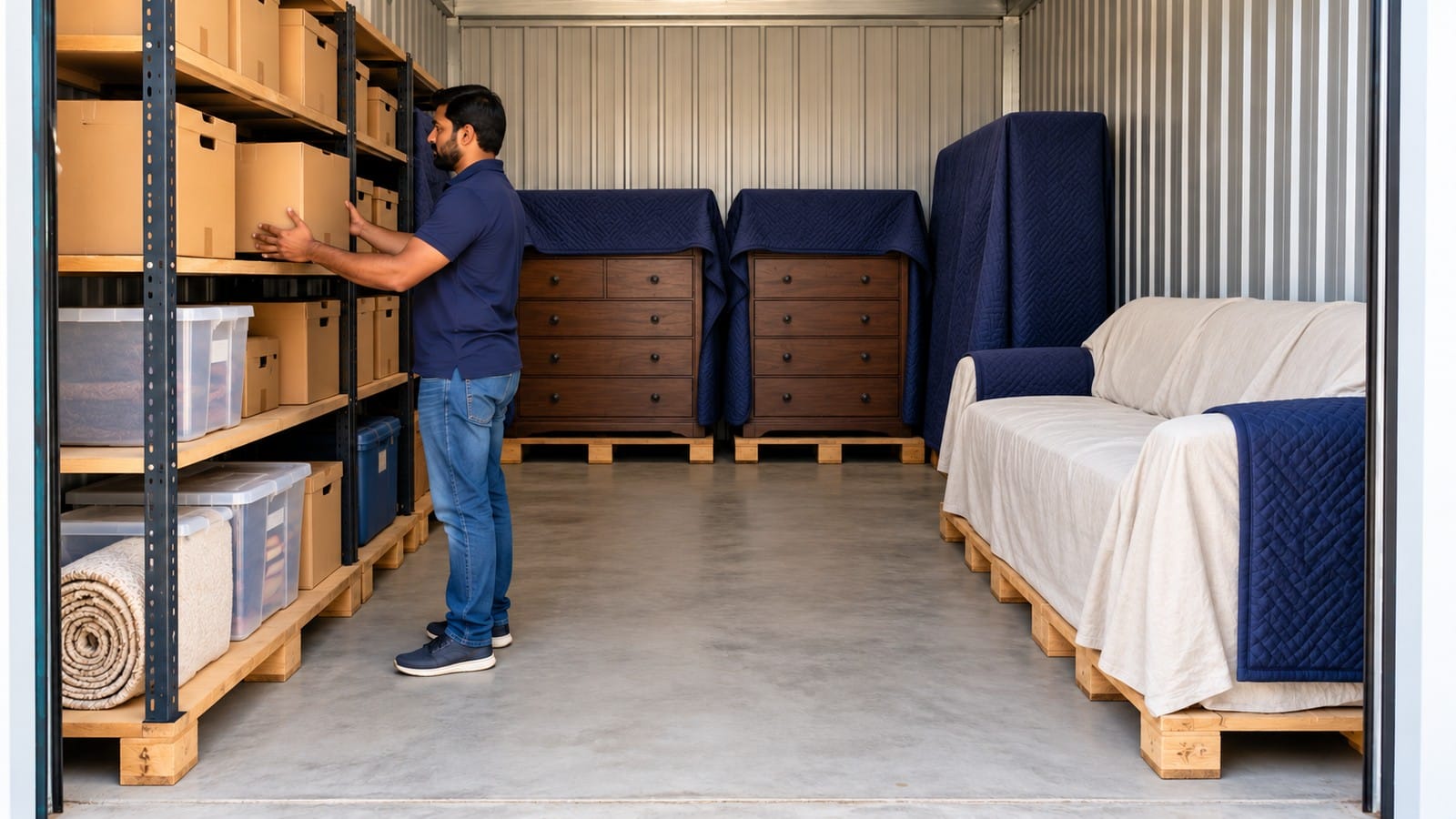
Raise items off the floor with pallets where possible, and leave a small gap between your furniture and the walls so air can circulate. Stand couches on their ends only if they are designed to handle it, and never stack heavy boxes on upholstered cushions. If you think you will need certain items during the project, keep them near the door and leave a narrow walkway down the middle.
Make a Simple Inventory
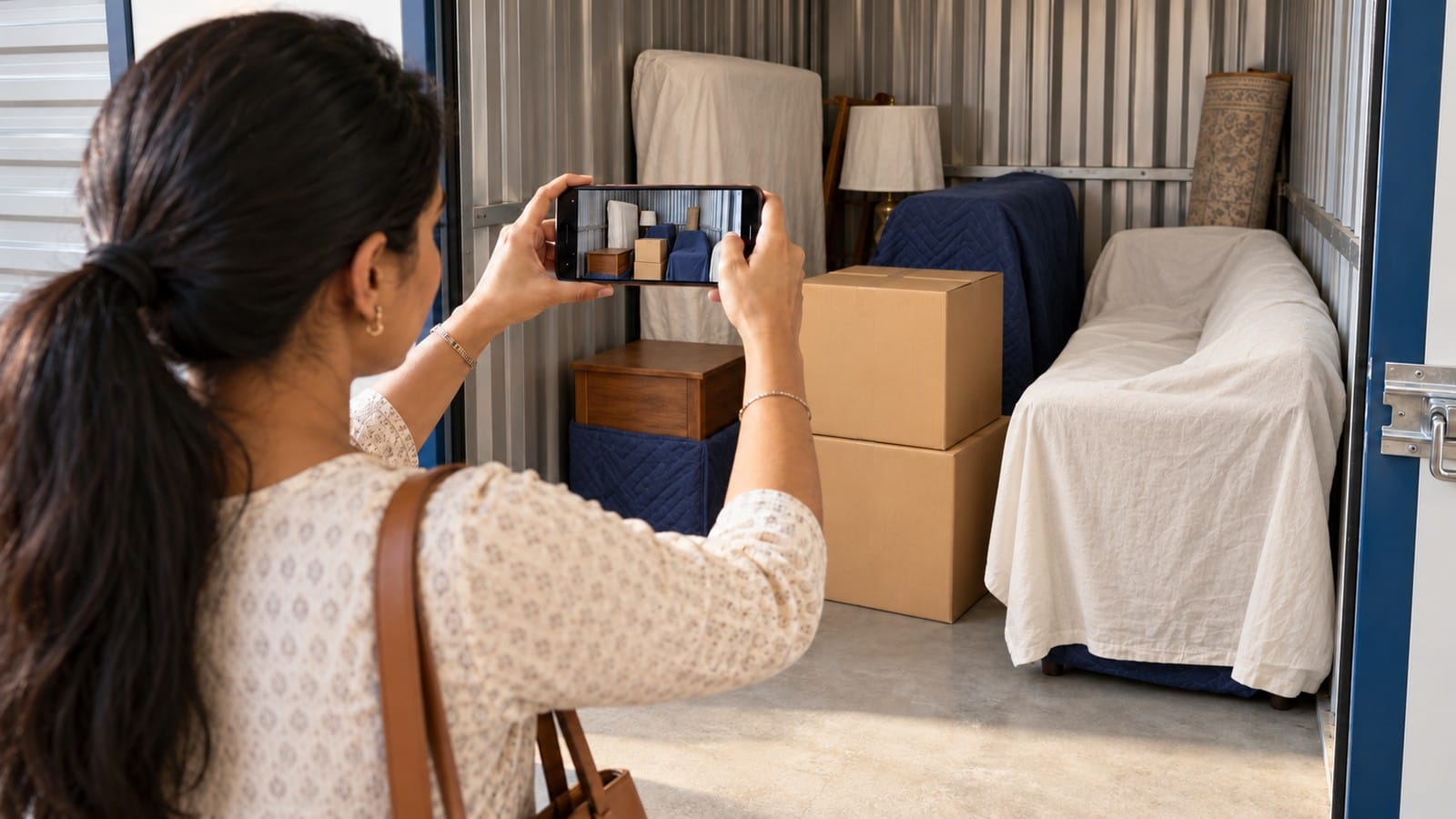
Before you lock up, write down what is in storage and roughly where it sits. A quick list or a few photos on your phone can save a lot of time later, and it is also useful for insurance purposes. Label boxes on more than one side so you can read them however they end up stacked.
Final Thoughts
Moving and renovating are busy, often stressful times, and the last thing you need is to worry about damaged furniture. By cleaning, dismantling and wrapping each piece properly, then choosing a secure storage space and loading it carefully, you can protect your belongings and focus on the exciting part: settling into your new or newly improved home.
If you are looking for a reliable place to keep your furniture safe during your next move or renovation, Safestore Containers offers secure, flexible self-storage for Auckland households and businesses.


Comments ()