
How to Pay for Emergency Home Repairs Fast
Emergency home repairs like burst pipes or roof leaks can be costly. Discover 4 safe, reliable ways to fund urgent fixes without straining finances.
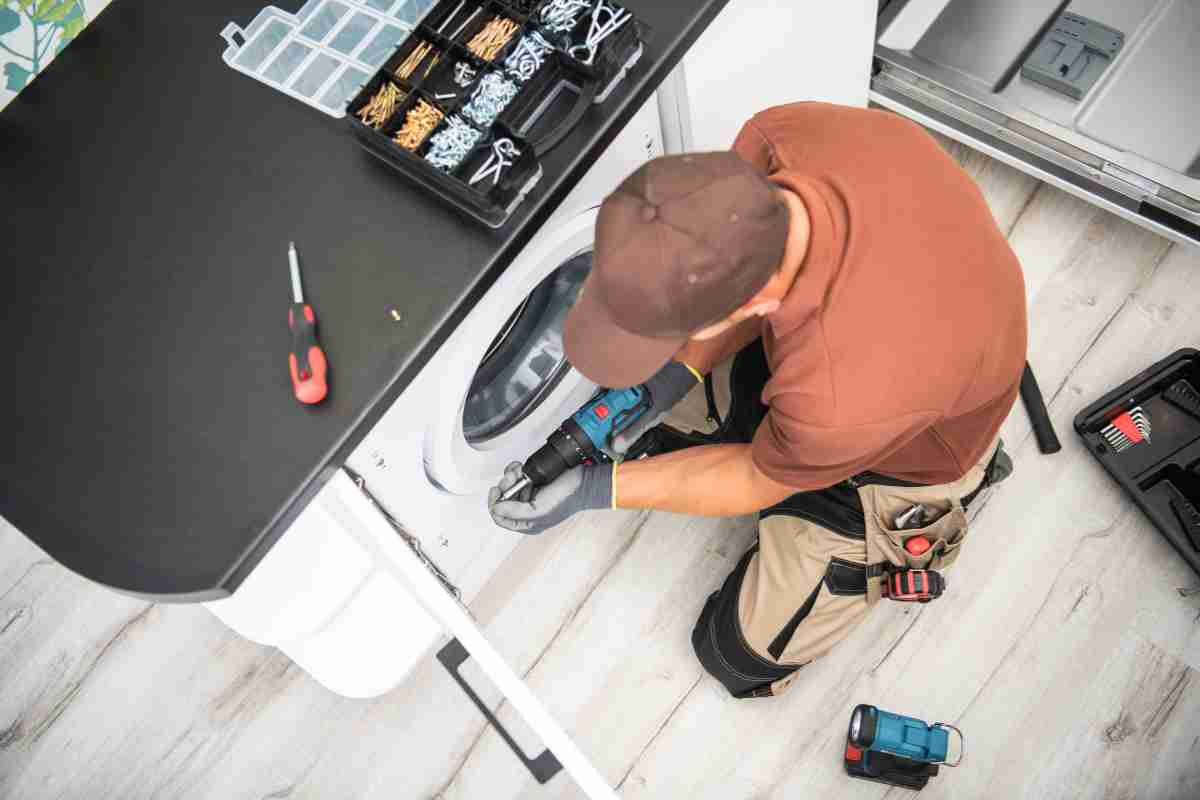
A pipe bursts in the basement, flooding everything: boxes, drywall, maybe even the furnace area. Or your roof suddenly starts leaking right as winter begins to settle in. Some homeowners end up dealing with both at once, plus a heater that decides this is the perfect moment to stop working.
However it happens, home repairs aren’t cheap. And when you need to act quickly, the costs can climb fast. Contractors often charge emergency rates if you need repairs right away, and building material prices have been rising by about 3.5% year over year.
So even if you’ve been setting money aside for unexpected fixes, you might still find yourself short on funds. Finding a reliable way to cover the cost quickly can make all the difference. The sooner you secure the right funding option, the sooner you can get repairs underway and prevent the problem from getting worse.
To help you get started, here are four of the safest ways to restore your home without putting unnecessary strain on your finances.
1. Take a Personal Loan
If you have a credit score of 680+, an unsecured personal loan is the right solution. It can take between one and three business days to get approved, but many online lenders offer same-day approval and next-day funding.
The cost is moderate, with annual percentage rates (APRs) ranging from 7% to 15%. Unlike credit cards, these have fixed rates and set end dates, which is a great way to prevent debt creep. The risk is low, since you don’t have to use the home as collateral, but you do need a solid monthly cash flow to cover the fixed payments.
The Low Credit Score Alternative
Sadly, not everyone has a strong credit score or conventional income documentation. If traditional lenders decline your application, private real estate financing or hard money loans may be an alternative. These loans are typically asset-based, meaning approval depends more on available home equity than strict underwriting formulas. Interest rates and repayment timelines can be higher, so it’s important to review terms carefully before proceeding.
2. A 0% APR Credit Card
If you’re not dealing with a major repair or you’re planning smaller projects like aging-in-place upgrades, you don’t need a large financing solution. For projects under $15,000, a new credit card with a 0% introductory APR can be one of the cheapest options available. The catch is discipline.
It typically takes about 7–10 days to receive a new card, and if you pay the balance off during the promotional period, your financing cost is essentially $0. Most introductory offers last between 12 and 18 months. After that, interest rates usually jump to somewhere between 20% and 29%.
Because of that, this option only makes sense if you have a clear, reliable plan to pay off the balance within about a year.
3. HELOC (Home Equity Line of Credit)
If your repair isn’t urgent and can wait a few weeks, a HELOC can be one of the most cost-effective long-term financing options. Approval usually takes about 2–6 weeks because lenders require a home appraisal and full underwriting.
A HELOC uses your home as collateral, which means missed payments can put your property at risk of foreclosure. For many homeowners, though, the trade-off is lower borrowing costs. APRs typically fall in the 7%–9% range, and the interest may be tax-deductible when the funds are used for substantial home improvements.
Choose Your Financing Strategy
Every financing path you take comes with risks, but if you plan for them, chances are you’ll get on the other side unscathed and with a patched-up house. So choose wisely and leap into action asap; that roof isn’t going to stop leaking on its own!


Comments ()