
How to Choose Bathroom Wall Tiles That Age Well Over Time
Learn how to choose bathroom wall tiles that stay timeless, with tips on color, scale, finish, grout, and real-world durability.
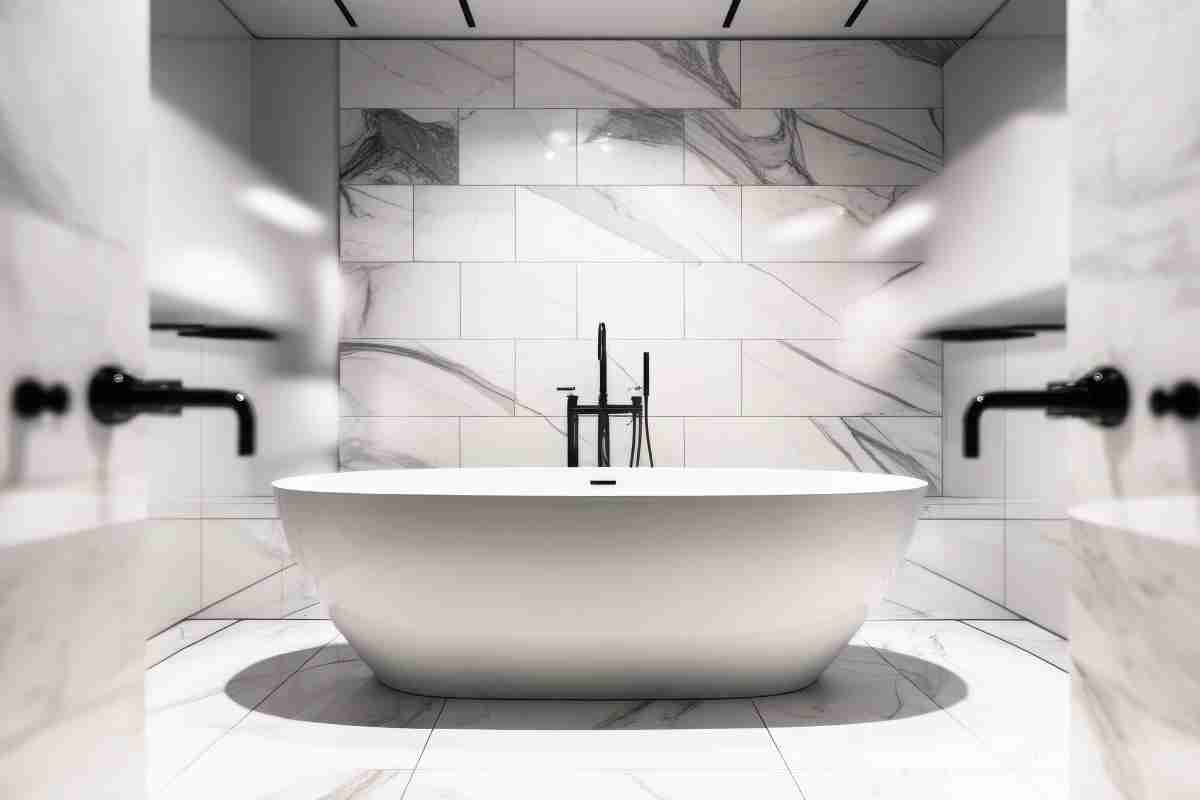
Bathroom renovations rarely begin with logic. They begin with images saved on a phone, a vague sense of what feels “fresh,” and the hope that this time the space won’t feel outdated in five years. Tile choices usually come later, once it’s clear that paint and accessories can only do so much heavy lifting.
Wall tile is different. It doesn’t quietly fade into the background. You live with it every day. And when it ages badly, it doesn’t whisper — it nags.
The goal isn’t to avoid personality. It’s to choose something that still feels grounded after tastes shift and daily use leaves its mark.
Start With How the Bathroom Is Actually Used
Before looking at color boards or layouts, it helps to look at behavior. Who uses the bathroom, how often, and under what conditions? A guest bath and a shared family bathroom don’t age the same way, even if they start with identical finishes.
This is where many people misjudge bathroom wall tile designs. They choose based on how a tile looks in isolation, not how it behaves once steam, splashes, uneven lighting, and rushed cleaning become routine.
Tiles that age well usually have one thing in common: they tolerate imperfection. They don’t demand perfect lighting or constant maintenance to stay appealing. They still look reasonable when the mirror fogs up and the fan doesn’t quite do its job.
Neutral Doesn’t Mean Lifeless
Neutral colors survive because they adapt. White, soft gray, warm beige, muted stone tones — these shades don’t lock a bathroom into a specific era. They leave room for the rest of the space to change around them, which is why many long-lasting bathroom wall tile designs start from a neutral base rather than a bold statement.
What keeps neutral tiles from feeling flat is surface character. Subtle texture, gentle variation in glaze, or a slightly handmade feel adds depth that doesn’t rely on trend-driven patterns. These details stay interesting without demanding attention.
Tiles that age poorly often try to do too much visually. Tiles that age well let the room breathe.
Think About Scale Before Pattern
Tile size quietly shapes how a bathroom feels over time. Large-format tiles tend to age well on walls because they reduce visual clutter. Fewer grout lines mean fewer places for wear to announce itself.
Smaller tiles aren’t a mistake, but they require intention. Used everywhere, they can overwhelm a space as the years pass. Used selectively, they add interest without fatigue.
Before committing, it helps to step back and consider a few practical realities:
- How many grout lines will be visible at eye level;
- Whether the tile scale matches the size of the room;
- How busy the surface will feel once fixtures are installed.
Pattern draws attention. Proportion sustains it.
Finish Choices Shape Long-Term Perception
Glossy tiles photograph beautifully. They bounce light, brighten small spaces, and feel crisp when new. Over time, they also reveal every water spot, streak, and bit of surface wear.
Matte finishes are quieter. They absorb light rather than reflecting it, which makes them more forgiving as conditions change. On walls, matte tiles often age with less drama.
Neither finish is universally better, but mixing them thoughtfully tends to produce the most balanced result. Overcommitment in either direction is usually what causes regret later.
Grout Is Part of the Design, Whether You Like It or Not
Grout doesn’t stay invisible forever. Its color and width shape how tile installations age, sometimes more than the tile itself.
High-contrast grout creates a strong visual structure, which can feel sharp early on and distracting later. Very light grout shows stains. Very dark grout can fade unevenly. Middle-ground tones tend to age with less attention.
It’s also worth thinking about maintenance, honestly. The grout choice that looks best on day one isn’t always the one that looks best on year seven.
Trends Fade Faster Than Proportions
Most bathrooms that feel dated aren’t ruined by poor materials. They’re anchored to a moment. Bold layouts, dramatic patterns, and ultra-specific styles announce exactly when they were installed.
Tiles that age well rely less on novelty and more on balance. Clean layouts. Consistent spacing. Shapes that don’t demand explanation.
If a wall tile needs context to make sense, it probably won’t age gracefully.
Maintenance Is a Design Decision
Some tiles don’t age poorly because of style. They age poorly because they demand too much. Deep texture holds onto grime. Busy layouts turn small maintenance issues into permanent visual noise.
Over time, the gap between how a tile should look and how it actually looks starts to show.
Wall tiles that stay convincing tend to be forgiving. They don’t punish you for skipping a cleaning. They don’t spotlight every scuff or stain. The ones that last usually share a few low-key strengths:
- Surfaces that don’t make minor wear obvious;
- Layouts that don’t turn grout into the main feature;
- Finishes that still look acceptable on an average day, not just a perfect one.
Design that only works under ideal conditions rarely holds up in real homes.
Test Tiles in Real Conditions
Lighting has a way of lying. What looks rich and balanced in a showroom can flatten out at home, or suddenly feel much louder than expected once it covers an entire wall. Bathrooms don’t get ideal light. They get shadows, glare, early mornings, and evenings when everything feels dimmer.
That’s why samples matter. Seeing tile in your own space — next to your mirror, under your lighting, against your fixtures — changes perspective fast. Tiles that age well often don’t try to impress immediately. They feel a bit restrained at first, even slightly underwhelming. Over time, that restraint is exactly what keeps them from wearing out their welcome.
Longevity Comes From Restraint
Bathrooms that still feel comfortable after a decade usually didn't chase attention. They chose calm surfaces and let personality come from elements that are easy to change later.
That doesn’t mean avoiding risk entirely. It means placing risk in accessories, lighting, or paint — not in surfaces that are expensive and disruptive to replace.
Before committing, it helps to ask one last question:
- Will this still feel reasonable when the trend fades;
- Will it tolerate imperfect maintenance;
- Will it work with future changes to the room.
If the answer is yes, the tile is probably a good long-term choice.
Choose Calm Over Clever
Bathrooms age whether we plan for it or not. The difference is in how noticeable that aging becomes. Some spaces grow quieter and more comfortable with time.
Others start to feel restless, like they’re stuck explaining themselves long after the explanation stopped mattering. Wall tiles play a bigger role in that than most people expect, simply because they’re always there.
Tiles that age well don’t try to compete with time or trends. They stay readable, calm, and adaptable while everything else around them changes.
If a tile choice still feels reasonable after the novelty wears off, it usually means the decision was grounded in how the room actually lives — not how it looked on a screen.

Comments ()