
How Engineered Surfaces Improve Durability and Hygiene Across Kitchen, Vanity, and Work Tops?
Engineered surfaces offer durable, hygienic and stylish solutions for modern kitchens, bathrooms and workspaces. Built to resist stains, moisture and daily wear.
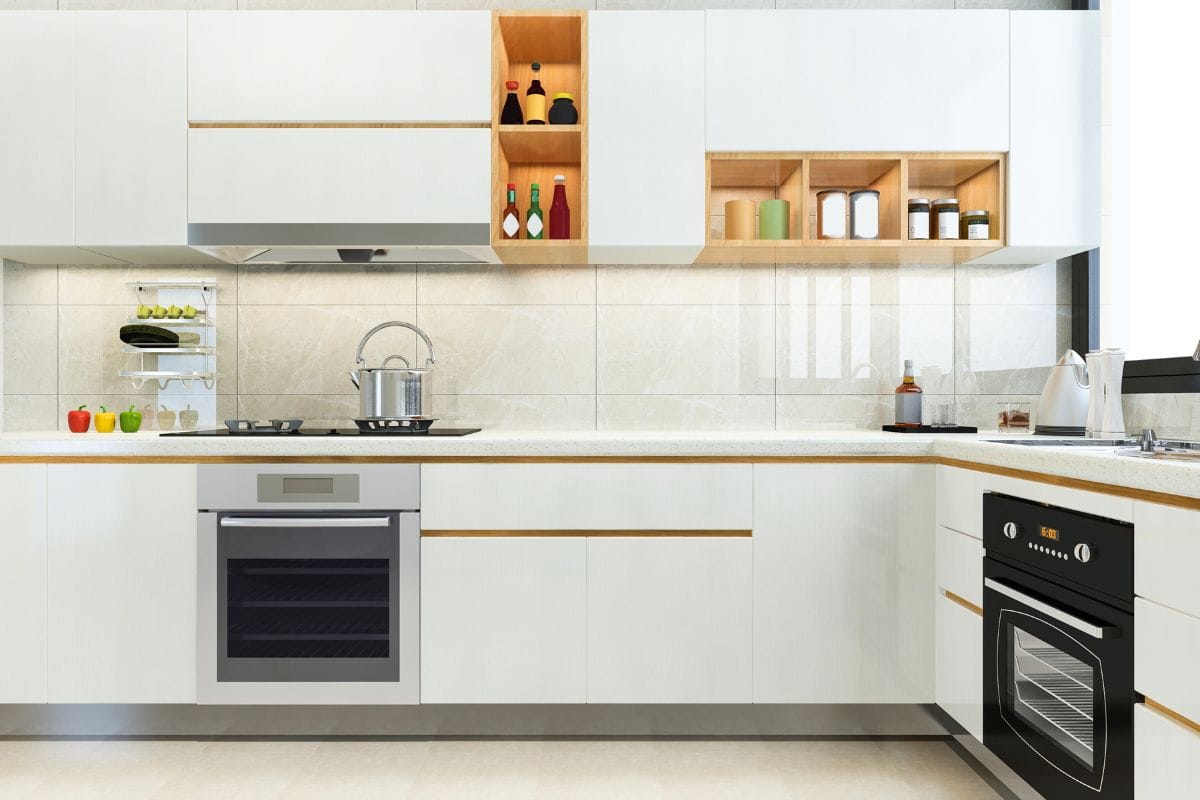
Modern living spaces demand surfaces that are not only visually appealing but also highly functional. From kitchens to bathrooms and work areas, surfaces experience constant exposure to moisture, stains, scratches, heat, and daily wear. Traditional materials often struggle to maintain their appearance and hygiene over time. This is where engineered surfaces have transformed modern interiors by offering strength, cleanliness, and long-lasting beauty.
A well-designed Kitchen Counter top or work surface must be able to withstand frequent use while remaining easy to clean and maintain. Engineered surfaces are specifically developed to meet these expectations. By combining advanced manufacturing technology with carefully designed materials, these surfaces provide durability and hygiene that modern households and commercial environments require.
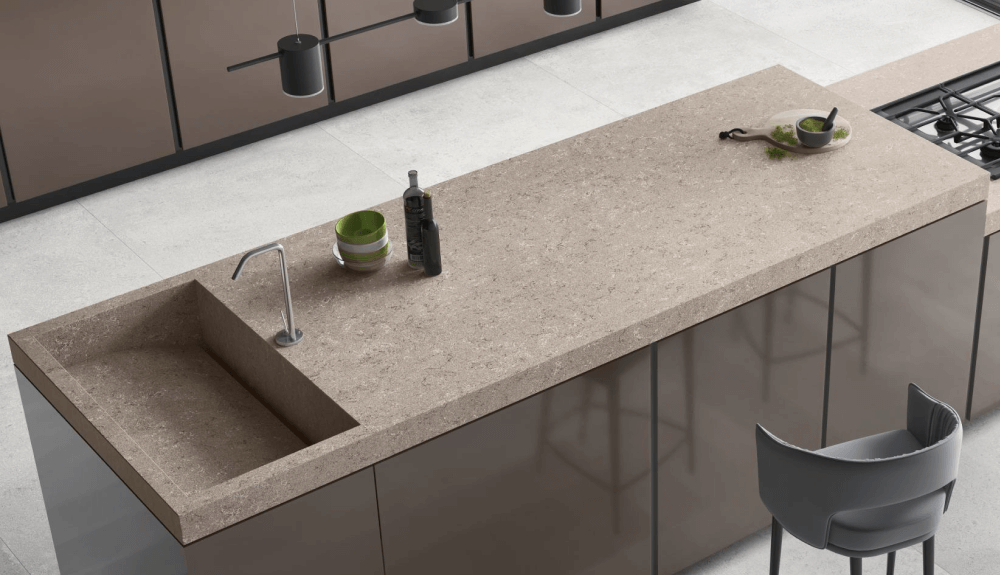
The Growing Need for Hygienic Surfaces
Hygiene has become one of the most important factors in interior design today. Kitchens, bathrooms, and workspaces are areas where bacteria and moisture can easily accumulate. Surfaces that absorb liquids or trap dirt may become breeding grounds for harmful microorganisms.
Engineered surfaces solve this challenge by being non-porous. This means they do not absorb liquids, oils, or food residue. As a result, bacteria and other microorganisms find it difficult to grow or remain on the surface. This feature is especially valuable for spaces where cleanliness is essential, such as kitchens and vanity areas.
A non-porous Kitchen Counter top also makes cleaning significantly easier. Simple wiping with a cloth and mild cleaning agents is often enough to maintain the surface. Unlike porous materials that require sealing or intensive maintenance, engineered surfaces maintain hygiene with minimal effort.
Durability for Everyday Use
Kitchens and worktops experience constant use. Cutting, placing hot cookware, spilling liquids, and moving appliances all put stress on the surface. Engineered surfaces are designed to withstand these everyday challenges.
High surface hardness ensures resistance to scratches and abrasions. This helps maintain the original finish even after years of regular use. A durable Kitchen Counter top can handle heavy kitchen activities without showing visible wear.
Impact resistance is another important advantage. Dropping utensils or cookware may damage conventional surfaces, but engineered materials are designed to absorb such impacts more effectively. This improves the longevity of the surface and reduces the need for frequent repairs or replacements.
Resistance to Stains and Chemicals
Kitchen environments involve exposure to oils, spices, sauces, and acidic substances. These can easily stain traditional surfaces if not cleaned immediately. Engineered surfaces are designed to resist stains and chemicals, helping them maintain their appearance over time.
Because the surface does not absorb liquids, stains remain on the top layer and can be easily wiped away. This property is particularly beneficial for a Kitchen Counter top that regularly encounters spills from cooking ingredients.
Resistance to household cleaning agents also allows users to clean the surface without worrying about damage. Strong detergents, disinfectants, and cleaning solutions can be used safely, ensuring a hygienic environment.
Heat and Fire Resistance
Heat exposure is common in kitchens, where hot utensils and cookware are frequently placed on work surfaces. Engineered surfaces are developed to handle high temperatures, making them suitable for modern cooking environments.
Heat resistance protects the surface from warping or damage caused by hot objects. This feature helps preserve both the appearance and structural integrity of a Kitchen Counter top.
Fire resistance is another important safety feature. Surfaces that resist fire provide additional protection in cooking spaces, reducing the risk of damage caused by accidental heat exposure.
Perfect for Vanity and Bathroom Areas
Bathrooms require surfaces that can handle moisture, cosmetics, and personal care products. Vanity tops are often exposed to water, soap, lotions, and makeup products that may cause stains or damage on ordinary materials.
Engineered surfaces are highly suitable for vanity installations because they resist water absorption and staining. The non-porous structure prevents moisture from penetrating the surface, reducing the risk of mould or bacterial growth.
This makes vanity tops easier to maintain while keeping them hygienic and visually appealing. Even in high-humidity environments, these surfaces retain their strength and smooth finish.
Ideal for Work Tops and Commercial Spaces
Beyond kitchens and bathrooms, engineered surfaces are also widely used for worktops in offices, hospitality spaces, and laboratories. Work surfaces must handle heavy usage, frequent cleaning, and constant contact with equipment or tools.
Durability and scratch resistance make engineered materials an excellent choice for such environments. Their ability to maintain hygiene and resist chemicals further adds to their reliability.
Work tops that remain smooth, clean, and damage-resistant contribute to improved productivity and easier maintenance in professional spaces.
Low Maintenance for Modern Lifestyles
One of the biggest advantages of engineered surfaces is their low maintenance requirement. Busy lifestyles demand solutions that are both practical and long-lasting.
Unlike natural materials that may require periodic sealing or special care, engineered surfaces maintain their performance with minimal upkeep. Regular cleaning and occasional wiping are usually sufficient to keep them in excellent condition.
This makes them an ideal choice for homeowners and designers who want a balance between aesthetics and practicality.
Enhancing Modern Interiors
Engineered surfaces have become a defining element in contemporary interior design. Beyond their functional benefits, they offer refined aesthetics that complement modern architectural styles. Smooth finishes, consistent textures, and a wide variety of colours allow these surfaces to blend seamlessly into kitchens, bathrooms, and workspaces. Their non-porous nature also supports improved hygiene and easy maintenance, making them suitable for environments where durability and cleanliness are essential.
In the evolving landscape of interior materials, brands like Neotra Advanced Surfaces illustrate how advanced engineered surfaces can balance performance with visual appeal, supporting both practical and design requirements. As residential and commercial spaces continue to prioritise efficiency and longevity, engineered surfaces are expected to remain a reliable solution for creating interiors that are durable, elegant, and built for everyday use.
Comments ()