
Home Security Basics on a Limited Budget
Simple, low-cost home safety tips that use everyday habits and smart changes to improve security without expensive systems.
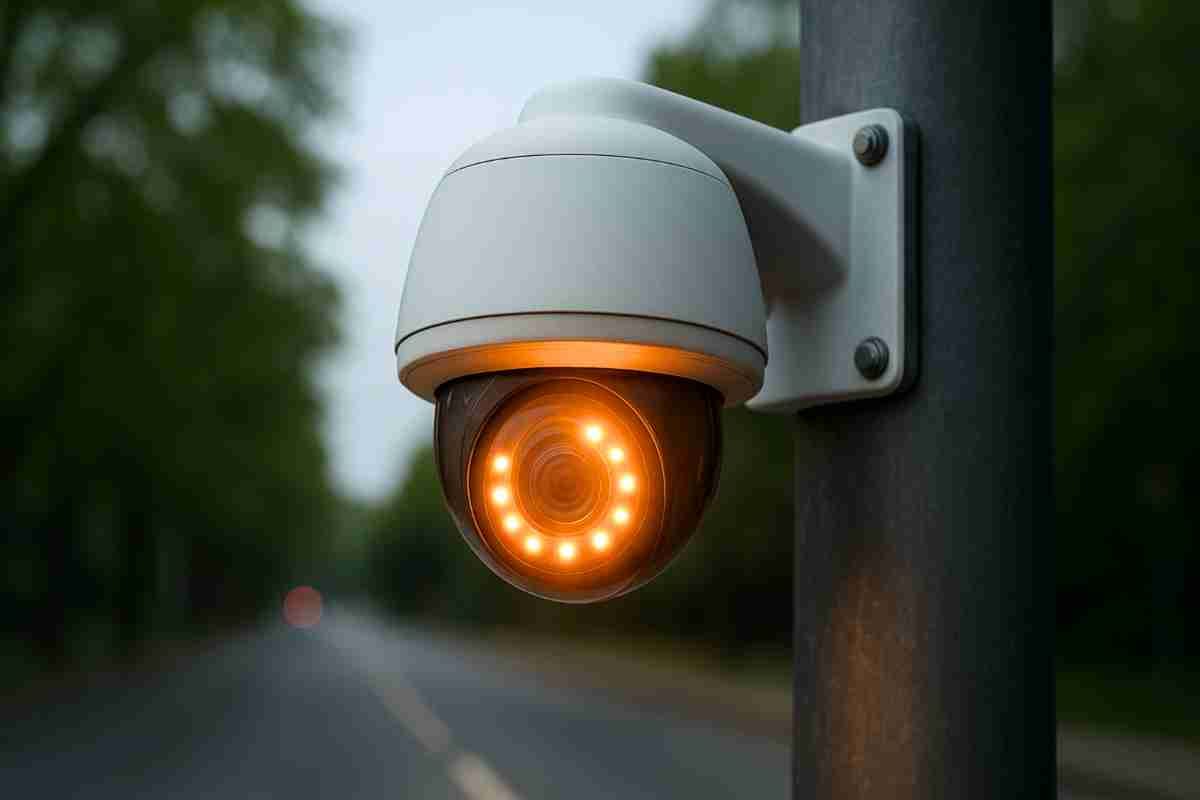
There’s no need to spend a lot of money on a home security system when greater peace of mind can come from being mindful of simple steps that improve your home’s safety through common sense and regular habits. By making some simple modifications to your residence, it’s possible to create a safer living environment without having to invest significant amounts of money in products that would provide similar benefits.
Check Your Doors First
A common break-in point is through doors. While most doors look secure, basic issues with the doorknob or deadbolt are often overlooked. After making sure your door is in good condition, the next steps are simple ways to make your door safer:
- Tighten any loose hinges and screws.
- Replace the short screws located in the strike plates with longer 3-inch ones. Longer screws reach the wall studs, making the door harder to kick in.
- Install a basic reinforcement plate around the lock.
- Use a wedge or doorstop at night when you’re at home.
The recommended upgrades are all low-cost and don't require extensive technical expertise to complete. Reinforcing your door, even by a small amount, can help to prevent it from being forced open easily.
Pay Attention to Windows
According to a survey done by International Association of Certified Home Inspectors, 23% of burglars enter through a first-floor window, which is why windows at this level deserve extra attention. A few simple steps can make a big difference when it comes to keeping your windows more secure:
- All windows should be fully closed and locked.
- If the window lock is weak, consider a cheap additional lock.
- For sliding window types, use a wooden dowel or metal rod positioned in the tracks.
- If there are basement windows, consider adding a window well or security bars with a quick-release mechanism.
Even small upgrades can improve your home’s security. An unsecured or poorly secured window can quickly turn a home into an easy target.
Lighting as Security
One of the most affordable and effective ways to protect your home is to use lighting. To protect yourself, the following are some recommended practical options:
- Install motion-activated lights near your outside entry points.
- Keep the areas leading to your main door and pathways illuminated.
- Use timers on lamps to illuminate your home when you’re away for any length of time.
- Outdoor lighting doesn’t need to be fancy.
Even a simple motion sensor light can deter an intruder. Using timer-controlled lamps, it can create an illusion that your home is occupied even when you aren’t there.
Create Security Habits
Some of the best security measures don’t cost anything at all. They’re habits you build over time. Adding these simple routines to your day can make a real difference:
- Lock all doors and windows before you leave.
- Do a quick check of entry points before heading out or going to bed.
- Avoid hiding spare keys in obvious places, such as under mats or planters.
- Leave a spare key with a trusted friend or neighbor instead.
It’s also important to think about what you share online. Posting about trips or being away from home in real time can give away more than you intend. Location tags and public updates can make it clear when a place is empty.
Affordable Tech for Your Home
Many home security gadgets don’t have to cost a fortune to work well. Simple doorbell cameras are now more budget-friendly and can be used with only a smartphone to check what’s happening near the front door.
However, any internet-connected device is only as secure as your home network. If you’re installing any smart gadgets, don’t forget to update their firmware and change the password after initial installation. If you access your smart devices remotely, especially if you’re away from home and using a public network, using a VPN adds a layer of encryption to your connection and prevents someone from eavesdropping.
Lastly, if your router supports it, consider placing smart home devices on a separate guest network to isolate them from your main devices.
Get to Know Your Neighbors
Community awareness is an often underused security measure, but also one of the most effective. When you meet your neighbors and help each other out, you gain a simple and effective layer of security.
Let your trusted neighbor know that you’ll be away and ask them to look out for your house while you’re gone. In turn, do the same for them when they need it.
A strong sense of community awareness can help prevent burglaries by making neighborhoods less appealing targets. Local groups and neighborhood chats are a simple way to share safety information and report anything unusual without creating panic.
Conclusion
Security doesn’t need to be perfect to be effective. Small daily actions can reduce risk, lower stress, and make your home less appealing to someone looking for an easy target. Focus on the basics first and use smart technology to support it.
Knowing what matters most helps you make smarter choices, even with limited resources, and use what you already know to improve security without unnecessary cost.
Comments ()