
Essential Home Maintenance Checks Every Homeowner Shouldn't Skip
Regular home maintenance prevents costly repairs, improves safety, and protects long-term value—small, consistent checks keep your home efficient and stress-free.
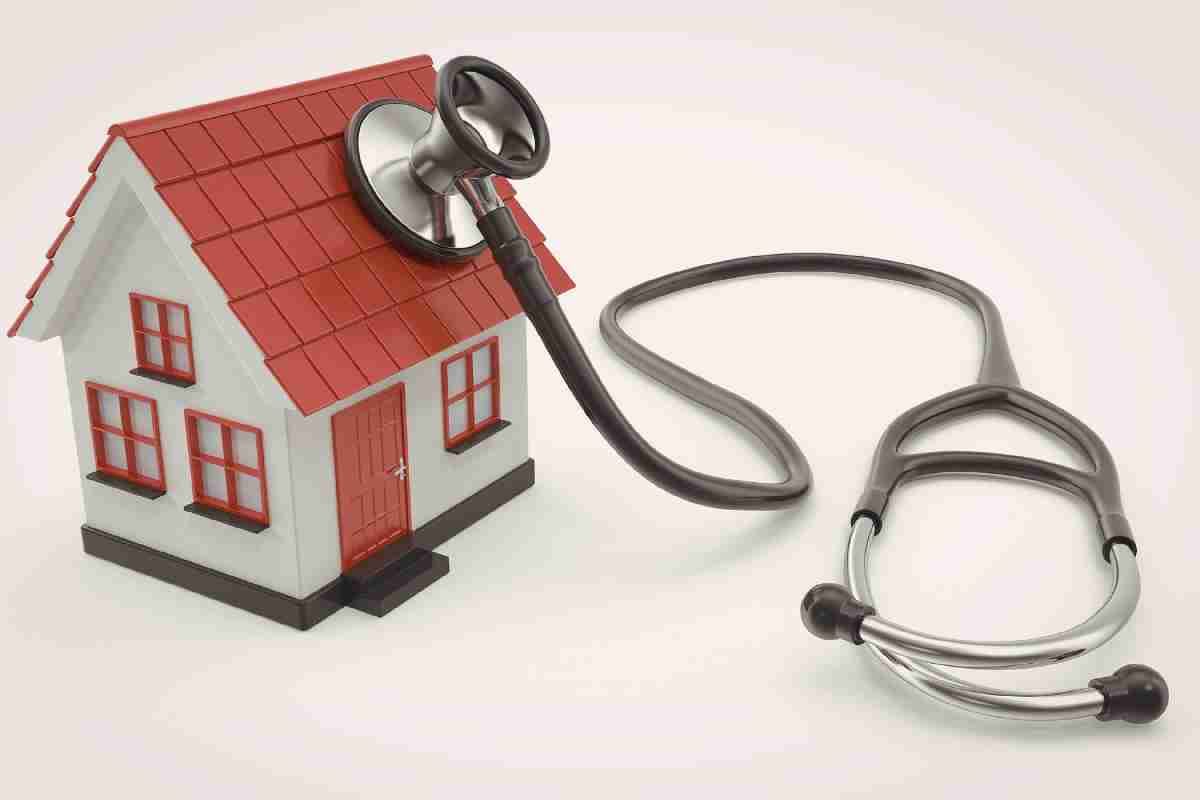
Owning a home is rewarding, but it comes with ongoing responsibilities. Regular maintenance helps prevent costly repairs, keeps your home safe, and improves your living environment, while also protecting its long-term value.
Even if you're busy, small, consistent checks, from inspecting the roof to maintaining appliances, can save you major headaches later. By staying proactive, you create a safer, more efficient space and ensure your home remains a comfortable, reliable sanctuary.
Protect Your Investment: Structural and Exterior Checks
Ensuring your home's longevity requires careful attention to its structure and exterior. Consider examining key areas like the roof, gutters, siding, foundation, windows, and doors.
Inspect Roofing and Gutters
A damaged or leaky roof can lead to severe problems in your home. Begin by checking for missing or broken shingles, as these can allow water to seep in and cause extensive water damage. Keep an eye out for moss or algae growth, which can compromise the roof's integrity.
Next, focus on the gutters. Ensure they are clear of debris to prevent water overflow that could damage your home's foundation and siding. Clean the gutters regularly, and check for any leaks or signs of rust. An efficiently working gutter system protects your home from water damage and preserves your investment.
Check Siding and Foundation
Your home's siding acts as a barrier against weather elements. Examine it for cracks, rot, or warping, which can allow moisture to penetrate and lead to costly repairs. It's essential to repair or replace damaged areas promptly to maintain the structure's integrity.
The foundation is crucial as it supports your entire home. Look for signs of cracks, settling, or water pooling around the base of your home. These issues can indicate serious problems that may affect your home's safety and stability. Address foundation concerns immediately to avoid major repairs later.
Assess Windows and Doors
Efficient windows and doors are vital for energy conservation and security. Start by checking for drafts around window and door frames, which can lead to increased energy bills. Ensure that seals and caulking are intact to prevent air leakage.
Inspect the glass for any cracks or damage. Windows should open and close smoothly without sticking, and locks should function properly. Also, examine door hinges and handles for signs of wear. Ensuring these features are in good condition helps maintain indoor comfort and adds to the overall value of your home.
Prioritize Safety: Electrical, Plumbing, and HVAC Essentials
Maintaining the safety of your home involves regular checks of critical systems such as electrical, plumbing, and HVAC. These systems require attention to ensure they function properly and do not pose any hazards.
Test Smoke and Carbon Monoxide Detectors
Every home should have properly functioning smoke and carbon monoxide detectors. These devices are crucial in alerting you to dangers like fire or carbon monoxide leaks. Test your detectors monthly. Simply press the test button to ensure they are operational. Replace batteries at least once a year, and completely replace the device every 7-10 years. For optimal performance, place smoke detectors on each level of your house and inside each bedroom. Carbon monoxide detectors should be installed near sleeping areas.
Inspect Electrical Systems and Outlets
Electrical systems, if unchecked, can pose serious fire risks. Inspect outlets twice a year for any signs of wear or damage. Look for discoloration or a burning smell, which can indicate faulty wiring. Ensure that all outlets have a snug fit for plugs and are not sparking. Consider hiring a certified electrician for a thorough inspection of the wiring and circuit panel, especially if your home is older or has undergone renovations. A certified check-up can prevent future issues and ensure electrical safety.
Evaluate Plumbing for Leaks
Leaks can lead to water damage and increased utility bills. Check under sinks, around toilets, and at visible pipes. Feel for moisture or signs of water stains. Listen for the sounds of running water when no taps are on, indicating potential hidden leaks. If moisture issues persist, it may be worth considering services like complete mold remediation Franklin to prevent long-term damage and health risks. Regularly inspect hot water heaters for corrosion or leakage. Don't overlook smaller fixtures like faucets and showerheads. Addressing leaks promptly protects your home from water damage and saves money on repairs and water bills.
Service Heating and Cooling Systems
Heating and cooling systems work hard throughout the year, so regular service is necessary. Schedule a professional inspection annually to ensure your HVAC system runs efficiently. Clean or replace air filters every 1-3 months to maintain air quality and efficiency. Check vents for blockages and clear any debris. Look out for unusual noises or changes in performance, as these can indicate underlying issues. Proper maintenance extends the life of your system, provides comfort, and saves on energy costs.
Keep Things Flowing: Seasonal Interior and Exterior Maintenance
Consistent home maintenance ensures your living environment remains comfortable and functions efficiently. This involves checking insulation, maintaining drains, and examining landscaping and drainage to prevent potential issues.
Check Insulation and Weatherstripping
To keep your home cozy and energy-efficient, proper insulation and weatherstripping are essential. Start by inspecting areas like the attic, walls, and basement to ensure insulation is intact. Look for gaps, leaks, or areas with thin coverage. Weatherstripping around doors and windows should be assessed for wear and tear. It helps in preventing drafts and can reduce heating costs. If the material is damaged, replace it with new weatherstripping for an effective seal. You'll keep your house warm in the winter and cool during the summer, which is easier on both your comfort and your energy bill.
Clean and Maintain Drains
Regularly cleaning drains prevents clogs and costly repairs. Pay attention to sinks, bathtubs, and shower drains by removing any hair or debris that may accumulate over time. Use a combination of baking soda and vinegar to naturally clear minor blockages. For more stubborn clogs, using a plunger or a drain snake might be necessary. Don't forget to check outdoor drains and gutters to ensure they're free of leaves and dirt, which could impede proper drainage. Keeping your drains clear can protect your pipes and keep your home smelling fresh.
Examine Exterior Landscaping and Drainage
Your yard's health can affect your home's safety and appearance. Check that water drains away from the foundation by inspecting the slope of your yard. Ensure downspouts are extended far enough to direct rainwater away effectively. Trim back bushes and trees that may interfere with building structures or block sunlight needed for healthy grass. By maintaining the right slope and clear drainage paths, you prevent water from pooling near your home, which helps avoid leaks or flooding inside. You'll protect your investment and enhance your home's curb appeal.
Stay Ahead of Costly Repairs
Staying on top of essential home maintenance checks is one of the simplest ways to protect your property, avoid unexpected expenses, and keep your home safe and comfortable year-round. A little consistency now goes a long way in preserving both your peace of mind and your home's long-term value.

Comments ()