
Common Plumbing Problems Every Household Encounters Over Time
Learn common residential plumbing problems, why they occur, and how to spot early warning signs before minor issues turn costly.
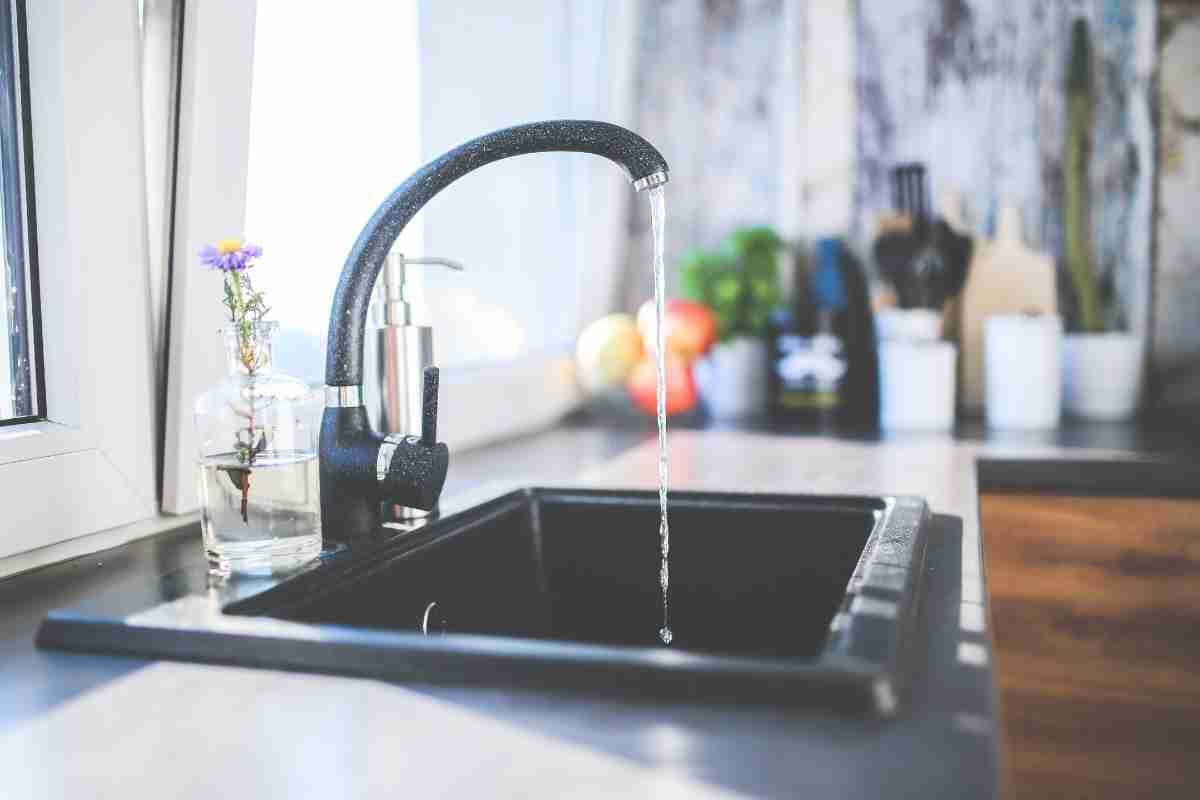
The plumbing in a residence is one of the most critical yet least noticed elements of a home. The pipes and fixtures are working in the background through the walls and floor of the residence in such a manner that problems are noticed only after some time has elapsed. In most residential setups, plumbing problems are not isolated events but rather happen on a regular basis based on a number of factors.
It is crucial to be able to establish the common problems that occur in the plumbing systems, which will help one be able to observe the signs and the reasons why such problems continue to occur. Although each home may be unique, the common problems that occur in the plumbing systems follow a predictable pattern.
The Leaks that Start Small and Grow Quietly
Leaks hidden behind walls or ceilings, or under the floor, are even more difficult to identify. They may remain hidden for a long time without showing any symptoms. They, however, cause damage to the house's structure. Stains or discolorations in walls or ceilings, or increased water usage, may be the first indication of a leak. In the local parlance regarding home maintenance and repair, businesses such as Koala Plumbing address these issues successfully.
Clogged and Slow-Draining Pipes
Blocked drains are a common occurrence in most households. In the kitchen, pipes can be blocked by grease, food particles, and soap. In the bathroom, hair and cosmetic materials are responsible for blocked drains. These materials will not suddenly cause a drain to be blocked but will accumulate in the drain and slow the flow of water.
But if the obstructions keep on building up, it might not be just a problem in the drain. Gradients in pipes, or obstructions downstream in the pipes, might also be involved. If several of the plumbing fixtures in a residence begin to drain slowly, there might be an overall problem.
Changes in Water Pressure
Another common source of irritation that most people are well aware of is the water pressure that could be fluctuating at any given time. The pressure could be low and could make showering and using appliances not very enjoyable. Among the possible causes of low water pressure could be mineral buildup in the pipes, valves that are not fully opened, and leaks that could redirect the water elsewhere before reaching the appliances. Sometimes, the pressure could be low due to changes in the water supply.
Issues Related to Toilets That Waste Water
The toilet is such a simple device, yet it has several parts which have to work well together. The continuously running toilet is not such a rare issue, and there are a number of reasons for it, most of which are related to the internal parts of the tank. The sound is not really loud, but it does waste a fair amount of water.
Other aspects related to toilets would include inefficient flushing, blockages, or water pooling in the base. Such aspects could represent anything from a faulty component to drainage/ventilation issues down the line. The fact that toilets are used frequently means that any inefficiencies will not take long to manifest.
The Water Heater Decline
Since hot water services affect people's daily lives, it is usually when there is an impact on the comfort related to this service that any problems will be identified. Changes in temperature, low hot water output, or strange noises coming from the hot water tank could be an indicator of a fault. Sediments within hot water tanks could be a common issue within a particular region.
With the passage of time, the heating elements, thermostats, and pressure relief valves wear out. Since water heaters operate in heat and pressure, any small issue is normally addressed promptly to prevent serious breakdowns.
Problems With Underground Sewer Lines
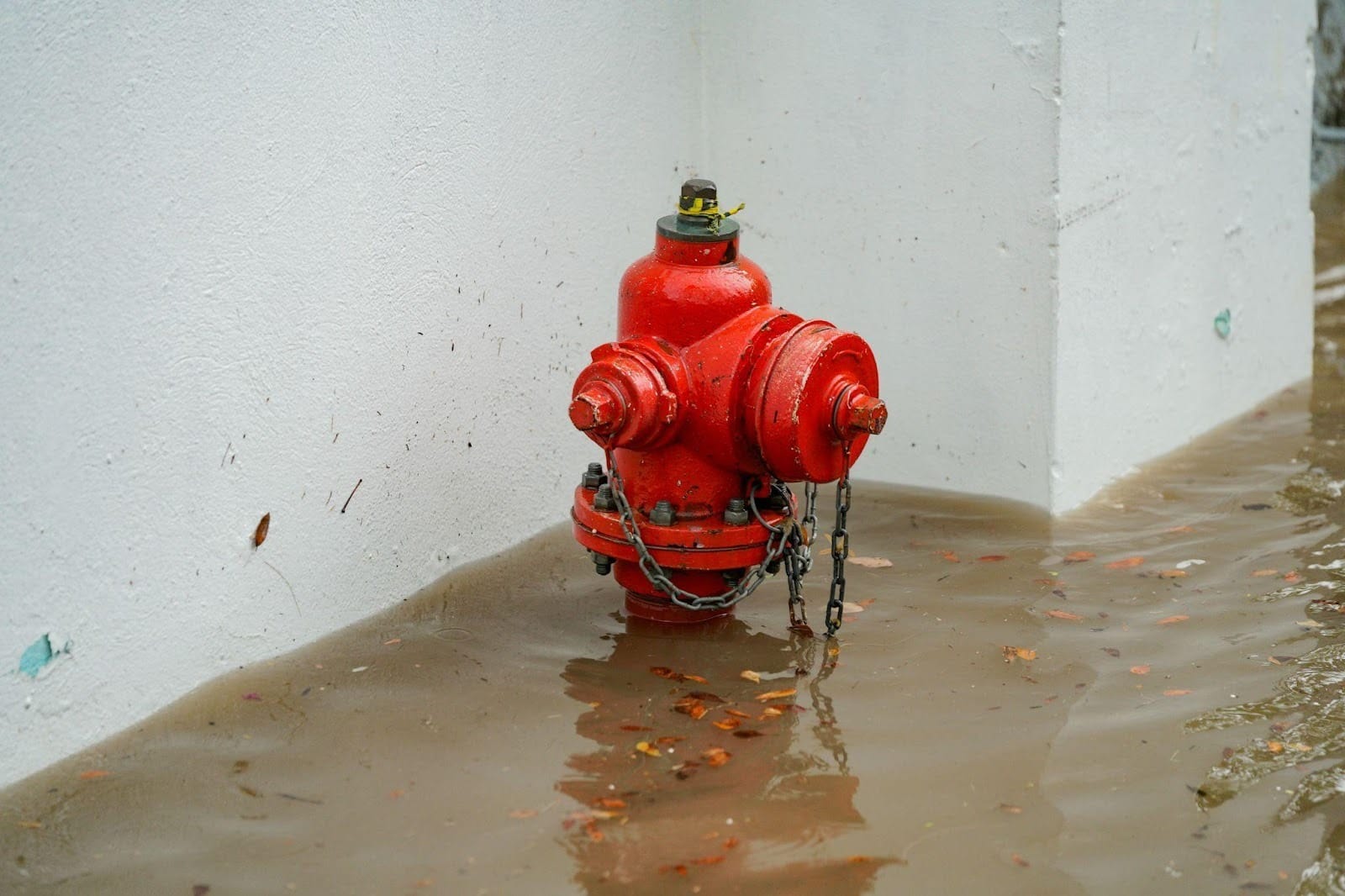
While it is less probable, problems with the sewer line are more serious compared to those of the plumbing line. The root cause of damage to the plumbing line that is tasked with disposing of wastewater from the residence may come from root growth, soil movement, as well as aging pipes. The warning indicators for this problem include drainage smells, gurgling sounds, and backups.
This is because the sewers are underground; in most cases, the issue will be identified through the help of special equipment. This is crucial since failure to identify the issue might lead to a sanitation issue as well as costly repair work.
Environmental and Seasonal Factors
Another element that may influence the lifespan of plumbing may be the climatic factors. Freezing temperatures may make water in the pipes expand and crack as a result of ice formation that melts. Hot and dry climatic conditions may also stress pipes.
The changes in levels of water usage, such as changes in levels of water used in gardening, among other activities, also present other demands to the plumbing systems. All these elements contribute to the deterioration of the homes.
Devices and Connection Points
These include water-fed appliances like washing machines, dishwashers, and fridges. The hoses that are connected to these devices are under constant pressure and in motion. The rubber hoses may wear out with time, while the metal connections may become loose, resulting in leaks that may start without warning. Regular checks on these connections can work wonders in averting unexpected incidents of water damage, especially when living in an area where appliances are close to cabinetry or flooring that is moisture sensitive.
The Significance of Preventive Awareness
The common thing between the common problems is the fact that they all have a tendency of worsening if they are neglected. By recognizing the signs, home owners can take action early, and the problem can even be prevented. By monitoring the water bills, the changes that occur in drainage or pressure, or even the pipes, home owners can acquire valuable information. For example, the U.S. Environmental Protection Agency has pointed out that small plumbing issues that are left unresolved may become a source of considerable water loss.
This approach tends to support the fact that a continued focus in this area may prove to be advantageous to both consumers and resource preservation. "A Familiar Pattern Across Homes" The fact that plumbing issues may be perceived as a personal problem is to a certain extent true. However, these issues seem to follow a predictable pattern, regardless of the age of the house or if one is residing in a new or old house. This is mainly due to factors that seem to have predictable patterns. Finally, every house eventually experiences one or more of these issues: leaks, clogs, changes in water pressure, or issues with household appliances. It is helpful to understand the causes and consequences of these issues.

Comments ()