
Commercial and Construction Dumpsters: A Practical Guide for Renovation Specialists
Keep renovation sites organized and compliant. Discover scalable commercial and construction dumpsters to safely manage debris, fixtures, and waste.
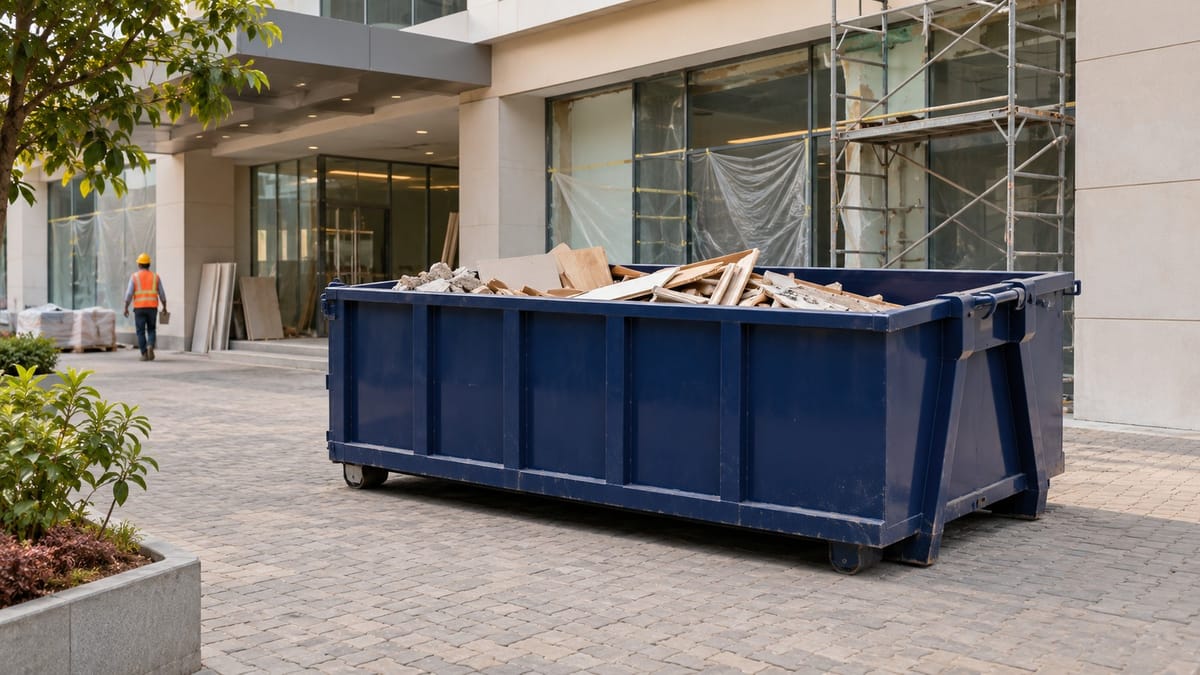
Renovation specialists face a recurring challenge when transforming outdated spaces: managing the constant stream of debris, old fixtures, and discarded materials that accumulate throughout a project. Whether overseeing a retail remodel or a multi-unit apartment renovation, the ability to keep a job site organized—and compliant with local disposal regulations—depends heavily on the right waste containment solution. Commercial and Construction Dumpsters provide a practical answer, offering secure, scalable options designed to handle everything from broken drywall and scrap metal to packaging and damaged furniture. Understanding which dumpster option fits a specific project’s scope allows renovation professionals to keep sites safe, efficient, and in line with municipal guidelines.
Commercial Dumpsters: Essential Features for Renovation Projects
For renovation specialists, commercial dumpsters are more than oversized trash bins—they are purpose-built containers designed to withstand the rigors of construction debris. Rugged steel construction helps these dumpsters resist impacts from heavy materials, like concrete chunks and lumber offcuts, that standard waste containers cannot handle. Many models include walk-in doors for easier loading of bulky items, while reinforced lids keep dust and debris contained.
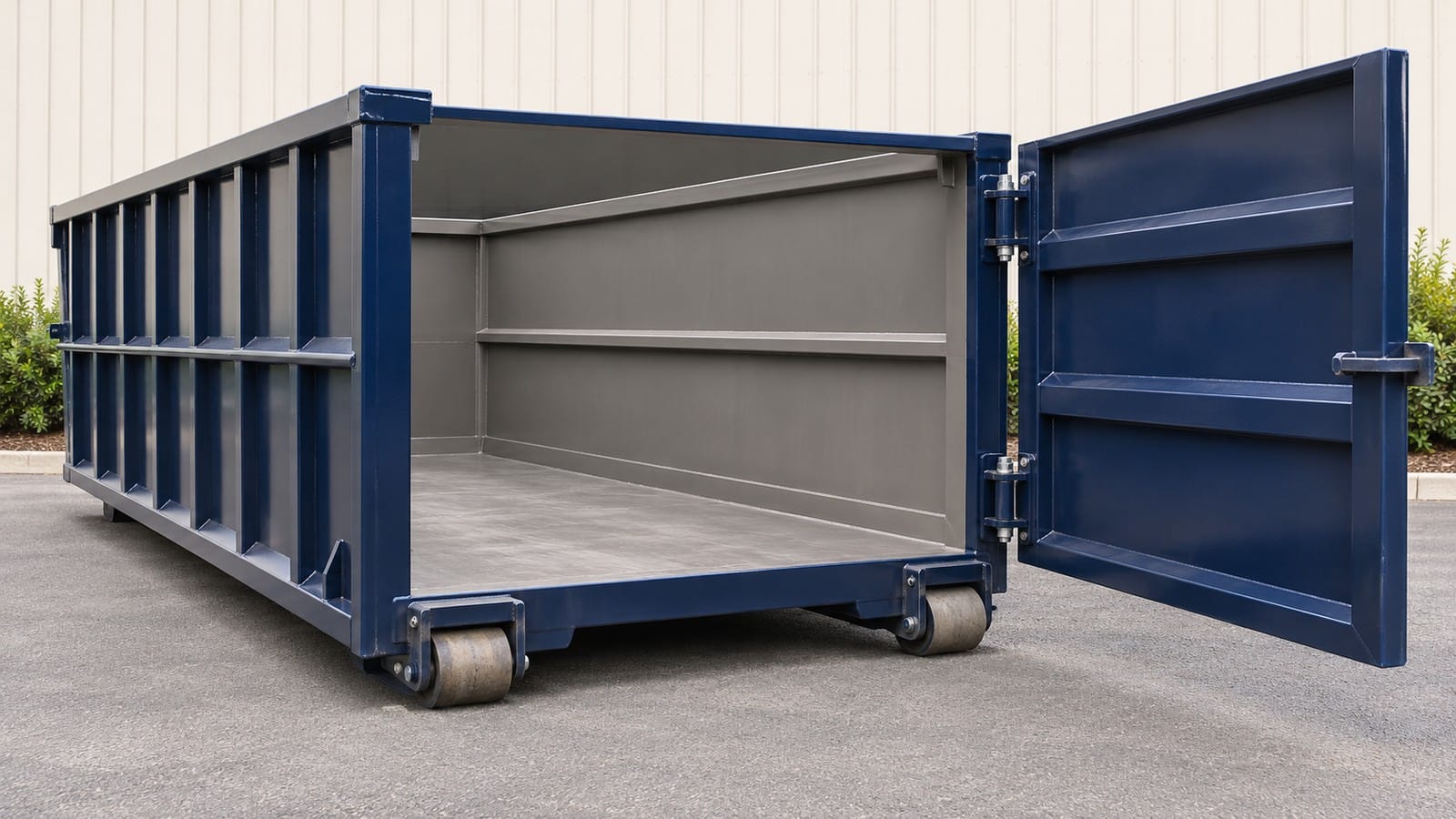
Another practical feature is the availability of roll-off designs, which allow for straightforward placement and removal even in tight urban spaces or limited-access job sites. Renovation jobs in commercial settings often produce varied waste, from insulation and tiles to cabinetry and window frames. Choosing a dumpster that can safely accommodate mixed materials streamlines clean-up and minimizes the risk of job site hazards.
By prioritizing durability, secure containment, and easy access, renovation professionals can ensure their waste management solution contributes to both safety and project efficiency.
Selecting the Right Size: A Key Consideration for Construction Sites
The volume and type of debris generated during a renovation project dictate the appropriate dumpster size. For example, a small retail remodel may require a 10-yard container, suitable for lighter loads like flooring and packaging, while a full-scale office renovation could demand a 30- or 40-yard dumpster capable of holding drywall, framing, and demolition debris. Selecting an undersized container leads to unplanned hauls and project delays, while an oversized unit can inflate rental costs and occupy valuable space on site.
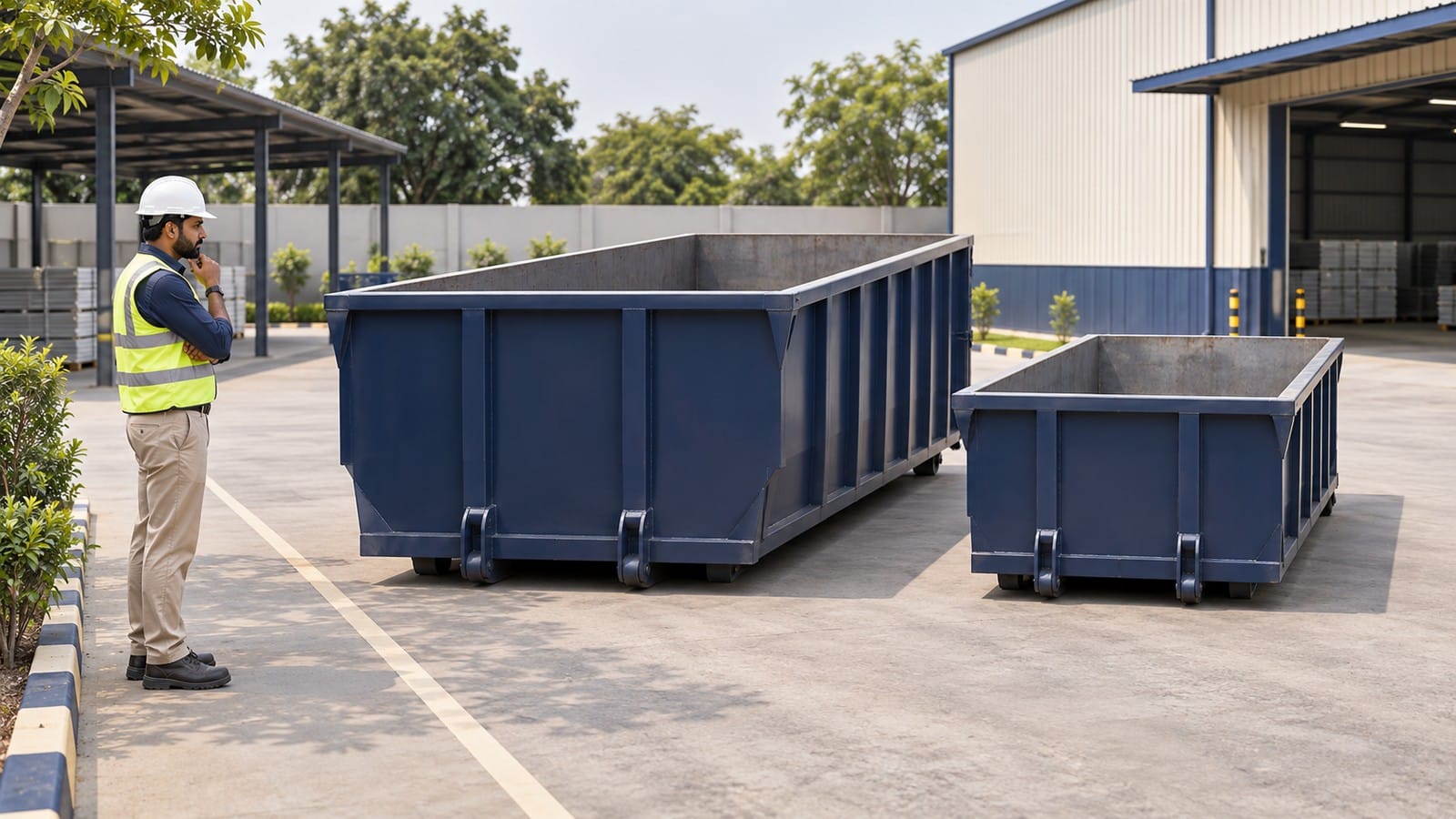
Renovation specialists benefit from consulting project plans and estimating debris by material category before ordering. Some commercial dumpsters also offer split compartments, letting crews separate recyclable materials from landfill waste. Reviewing the typical load limits and dimensions for construction dumpsters ensures compliance with weight restrictions and local hauling regulations.
When in doubt, requesting guidance from a reputable supplier helps align the dumpster choice with the project’s scale and material mix, avoiding costly mistakes and keeping the renovation on schedule.
Cost Factors: Budgeting for Dumpster Rentals in Renovation Work
Budgeting for dumpster rentals involves more than comparing advertised daily or weekly rates. Renovation specialists should account for location-based delivery fees, landfill charges, and potential overage costs if containers exceed their weight limits. Some providers include a set tonnage in the base rate, while others charge per ton above the included threshold.

Project managers can optimize costs by scheduling debris removal in phases—ordering smaller dumpsters for demolition, then larger ones for final clean-out, or vice versa, depending on workflow. The length of the rental period also impacts total expense, so aligning the dumpster drop-off and pick-up dates with critical project milestones prevents unnecessary charges. When evaluating options for Commercial and Construction Dumpsters, renovation specialists often compare contract details, such as included weight, pickup flexibility, and surcharges for restricted materials, to find the best value for their needs.
Transparent communication with the rental provider about project scope, expected waste type, and disposal schedule helps avoid budget surprises and supports smooth site operations.
Best Practices for Efficient Waste Management in Construction
Efficient waste management begins with clear guidelines for sorting and loading materials. Renovation specialists should instruct crews to separate recyclables—like scrap metal, cardboard, and clean wood—from general debris whenever possible. This practice not only supports environmental goals but can reduce disposal costs, as some haulers offer discounts for loads with high recyclable content.

Locating dumpsters within easy reach of work areas minimizes unnecessary travel and keeps walkways clear. Safety signage and periodic review of disposal protocols help prevent accidents, such as overloading or improper placement of hazardous items. Compliance with local rules—such as bans on electronics or certain chemicals—must be checked before tossing anything, as improper disposal can result in fines or project delays.
Regularly scheduled pickups, combined with ongoing crew training, help maintain a clean and efficient job site throughout each phase. Adhering to these construction waste management practices ensures that renovation projects remain organized, safe, and environmentally responsible.
Conclusion
Align your dumpster rental choice with the scale and debris type of your renovation project to maximize efficiency and cost control. Review material restrictions and local disposal rules in advance, and select a provider whose offerings match your specific workflow and timeline.



Comments ()