
Before You Start a Backyard Renovation: Hidden Items and Property History Worth Checking

Thinking about adding a patio, pool, or fire pit to your backyard? Before you break ground, take a hard look at what could be hiding underneath. A few hours of research upfront can potentially save you weeks of delays and thousands in unexpected costs.
Backyards often contain old utility lines, forgotten structures, buried debris, and even items with historical or monetary value. Knowing what is below the surface gives you control before the excavation begins.
Property History Matters Before a Backyard Renovation
Property history shapes what is hiding beneath. Former homeowners may have installed storage sheds, irrigation systems, septic tanks, or play structures that never made it into official records.
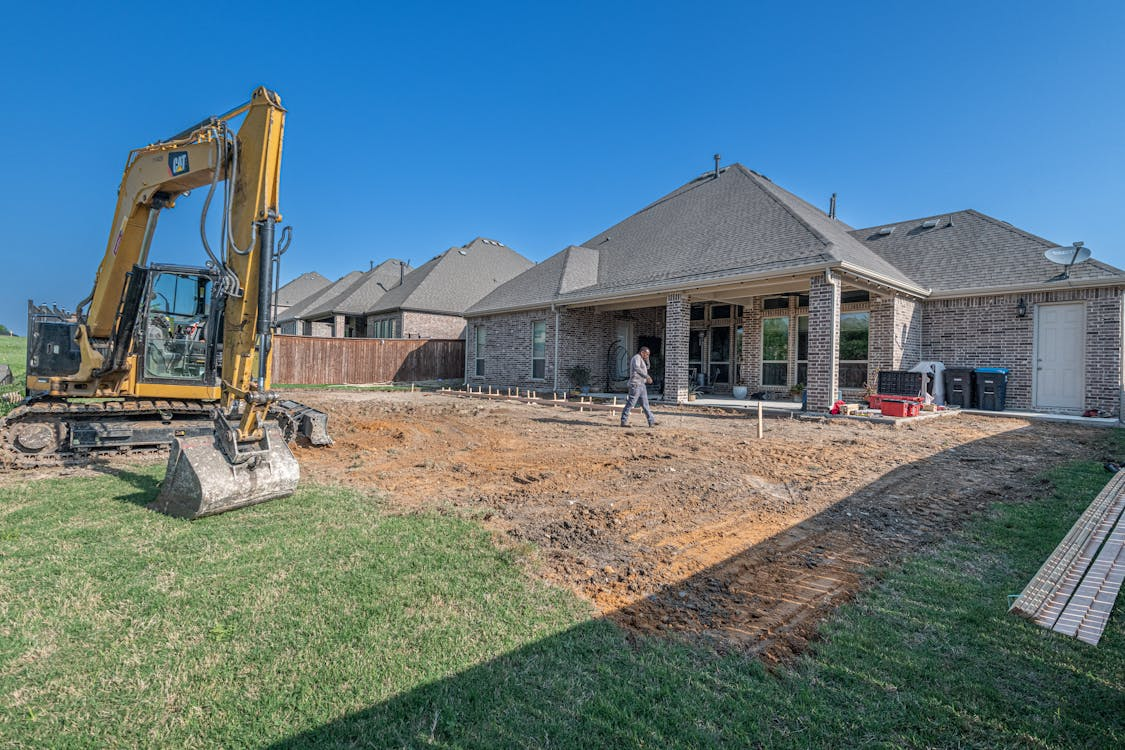
Experts suggest understanding how your home evolved over time so you can spot potential issues before demolition begins.
Older homes often come with older fixes. Backyard fill dirt may hide broken concrete, rusted tools, or scrap metal from previous projects. Those items are not just inconvenient. They can damage equipment and slow your renovation down.
Underground Utilities You Cannot Afford to Ignore
Gas lines, water pipes, fiber-optic cables, and electrical conduits are often buried beneath residential yards. Striking one can cause serious injury, service outages, legal trouble, and expensive repairs that derail your renovation.
Many countries have a “call-before-you-dig” or utility-location service designed to prevent exactly that scenario.
In North America, homeowners dial 811 to request underground line markings. In other countries, similar services operate through national or regional utility-notification systems.
Checking with your local authority or utility provider before excavation should be a non-negotiable step.
Keep in mind that public utility markings may not include private lines. Irrigation systems, propane lines, landscape lighting, and older septic connections might not appear in official records.
Reviewing property surveys and speaking with previous owners or contractors adds another layer of protection before you begin digging.
Hidden Objects You Might Discover
Not everything buried in your yard is junk. Older properties sometimes hold coins, jewelry, relics, and even small caches that were lost or intentionally hidden decades ago.
Dropped silver coins, military buttons, vintage toys, and gold rings can remain just inches below the surface. In rural areas, former homesteads may conceal tools, trade tokens, or early currency that now carry collector value.
Before excavation begins, it is worth checking for both valuable finds and buried metal debris. Heavy equipment can permanently damage collectible items, while hidden scrap metal, old fencing, and forgotten hardware can interfere with digging and landscaping work.
To reduce that risk, some homeowners perform a metal-detection survey before breaking ground using full-warranty prospecting gear, such as advanced multi-frequency Minelab metal detectors capable of identifying metallic targets beneath the surface. These metal detectors can help distinguish valuable objects from common scrap, giving property owners a clearer understanding of what may be hidden underground before excavation starts.
Taking this extra step can help protect potentially valuable discoveries while preventing unexpected surprises during a backyard renovation.
Budget Risks
Backyard renovations often look simple on paper. Reality tends to be more complicated.
Planning takes nearly twice as long as the building phase in many cases. Longer timelines increase exposure to unexpected discoveries.
Hidden tree roots can shift foundations. Abandoned oil tanks require environmental remediation. And poor drainage from decades ago can resurface when soil is disturbed.
Each issue adds labor, materials, and stress. Preparation reduces those risks. Reviewing inspection reports, confirming lot boundaries, and scanning for buried objects creates a clearer picture.
Start Smart So Your Backyard Renovation Stays on Track
Thoughtful planning protects your investment and your time. If you are considering tools, layout changes, or professional support, explore your options carefully and reach out to experienced suppliers or contractors who understand excavation safety.
Has this article been helpful? Yes? In that case, take a moment to explore our other related content.
Comments ()