
A Maryland Week Looks Normal Until the Bill Isn’t
Struggling with rising utility bills? Discover Maryland assistance programs and how to access real help before costs overwhelm your budget.
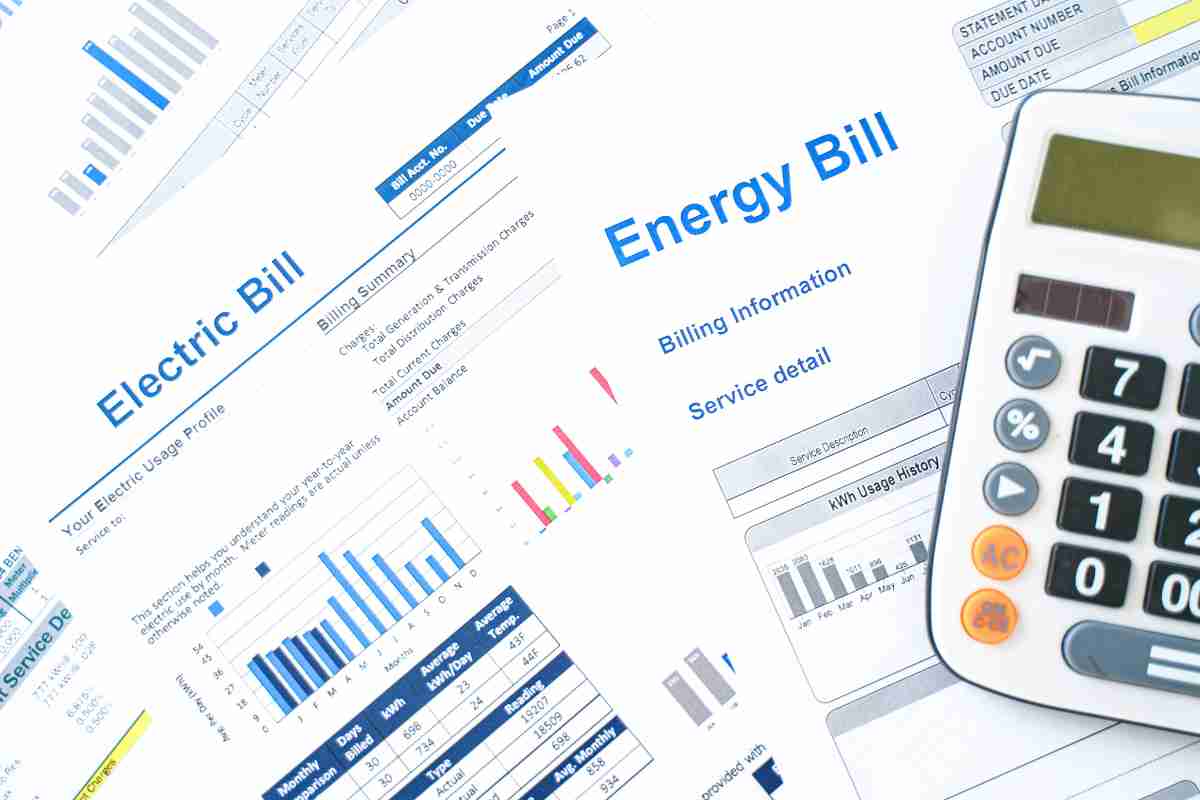
Somewhere between the school drop-off line and the first cold night that makes the windows sweat, the numbers start changing. Not in a dramatic way. Quietly. A little more for electric. A little more for gas. Then that uncomfortable moment when you realize the payment you planned for the utility company is the same money you meant for groceries.
I’m not writing this as a pep talk. I’m writing it because Maryland has real programs that help, and people still miss them because the process feels like a maze when you’re already tired.
If you want one clear starting point, start here — Maryland utility assistance.
What Maryland actually offers when utilities get heavy
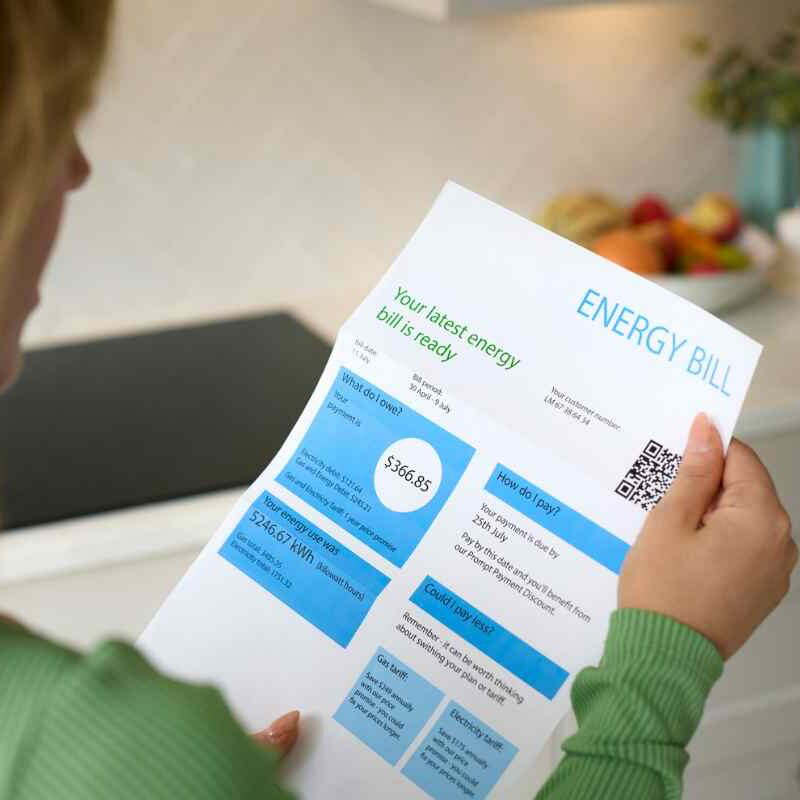
Maryland’s main “entry door” is the Office of Home Energy Programs — OHEP — under the Maryland Department of Human Services. OHEP is where the state ties together its core help for heating and electric bills, including grants that can reduce what you owe and, in some cases, help with past-due balances.
In the real world, people don’t call it by program names. They say “I’m behind.” Or “they sent a shutoff notice.” Or “I can’t keep up anymore.” OHEP is built for that, even if the paperwork doesn’t feel friendly.
The part that surprises people — one portal for most of it
In Maryland, a lot of households assume they have to apply separately for everything. Different forms, different offices, different deadlines. But for most major Maryland utility assistance programs, the application route is centralized through the myMDTHINK portal — it’s used for MEAP, EUSP, and LIHWAP.
That’s good news and bad news.
Good news: fewer “wrong door” problems.
Bad news: if you get stuck in the portal, it can feel like the whole process is stuck. That’s one reason our team exists — to keep people moving, calmly, without guesswork. UtilityAssistance.org is a nonprofit and we’re transparent about what we are and aren’t: independent support, not a government agency.
A quick picture of what MEAP and EUSP do
MEAP is the Maryland Energy Assistance Program — the heating-focused grant most people hear about first, especially when winter is coming and the furnace starts cycling more often. EUSP is the Electric Universal Service Program — electric assistance — available once per program year under OHEP guidance.
The important thing isn’t memorizing acronyms. It’s understanding that Maryland has lanes: heating help, electric help, and in many places, additional relief for arrears. That last piece matters when you’re not just paying a current bill but trying to climb out of a hole.
Maryland oversight documents also note how arrearage grants work in the state — including that some arrearage benefits are limited in frequency (for example, eligibility tied to being approved for energy assistance, and restrictions such as once every five years for certain arrearage benefits).
That detail is exactly the kind of thing people don’t learn until after they’ve already waited weeks. We’d rather you know earlier.

The demand is real, and it’s been getting louder
This isn’t a niche issue. Maryland has been seeing heavy demand for energy assistance.
A Maryland legislative report on OHEP customer service availability notes a record number of applications in state fiscal year 2024 — 243,252 applications — described as about 70% more than the year before, while also reporting fewer households served than in 2023.
That means two things at once. People need help. And the system gets crowded.
So the “apply early” advice isn’t just polite. It’s practical.
Who tends to qualify — and why people still hesitate
A common Maryland benchmark you’ll see referenced in local guidance is eligibility around household income and size, often framed around a percentage of the federal poverty level — for example, some Maryland-focused pages note qualification at or below 175% of the federal poverty level, with priority for vulnerable households.
But here’s the human part.
People don’t hesitate because they can’t read an income chart. They hesitate because they’re ashamed. Because they think asking for help means they failed. Or they assume they won’t qualify, so they don’t start.
Then a shutoff notice shows up, and suddenly it’s urgent. The air changes in the house when that happens. You can hear it in the way someone talks — faster, tighter, like they want to outrun the problem.
Why applications stall even when someone is eligible
Most “stalls” are not dramatic. They’re small and maddening.
A missing page of a utility bill. An ID that expired last month. A household member’s income proof that doesn’t match the dates requested. A rent letter without a signature. Portal uploads that go through, but the image is too dark to read.
And sometimes it’s access: no scanner, limited internet, language barriers, or someone living in temporary housing. Maryland’s own program guidance recognizes that people with complex barriers may rely on nonprofits and community agencies for help navigating documentation requirements and access issues.
This is where we step in — not with big promises, but with practical cleanup.
We help you understand what typically needs to be uploaded, what tends to cause delays, and how to present your situation so it’s readable to the person processing the file. Not perfect. Just clear.
What we do differently at UtilityAssistance.org
We don’t try to “replace” OHEP. We’re not competing with the state. We’re translating the system into steps that feel doable when your brain is already full.
Our Maryland page explains the main routes and documents, and points people toward what Maryland households typically need — ID, proof of income, utility bills, housing proof, and other common verifications — and it emphasizes that applying promptly matters during peak seasons.
We also say the quiet part out loud: the program landscape is wide, and people miss help because they don’t know what to ask for. Our job is to make that first ask less intimidating.
And yes, we’re explicit about our status and boundaries. Nonprofit. Independent. Not affiliated with government agencies. We’d rather be trusted than sound official.
About reviews and credibility checks
You asked me to check Google Maps, Facebook, and Yelp reviews.
I searched for verified review pages tied clearly to UtilityAssistance.org and didn’t find a clean, authoritative set of public reviews that I can confidently quote without guessing or mixing in unrelated listings. What I can cite directly is what your own site states about its nonprofit status and purpose, which is the most reliable “source of truth” for claims about what your organization is and does.
If you later send me specific review links you want referenced, I can integrate them without adding any external links beyond what you allow.
The small, real advice that saves people time
Start the application before you feel “ready.” Gather documents as you go. If you wait for a perfect afternoon with silence, a working printer, and extra time, you’ll wait forever.
And if you’re stuck, don’t keep re-submitting the same file in a different format hoping it magically works. That’s how people lose weeks.
What matters is one clean path forward — the right program lane, the right documents, readable uploads, and realistic expectations.
Maryland has assistance. You’re not imagining it. But you do have to get through the doorway.



Comments ()